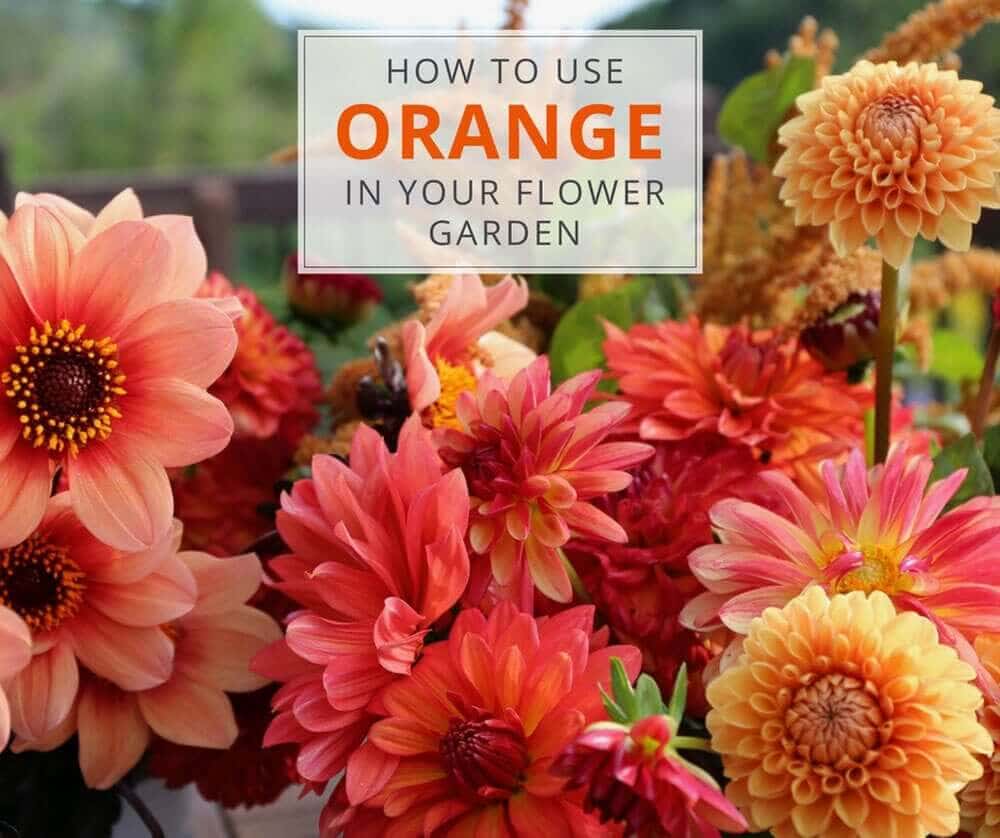
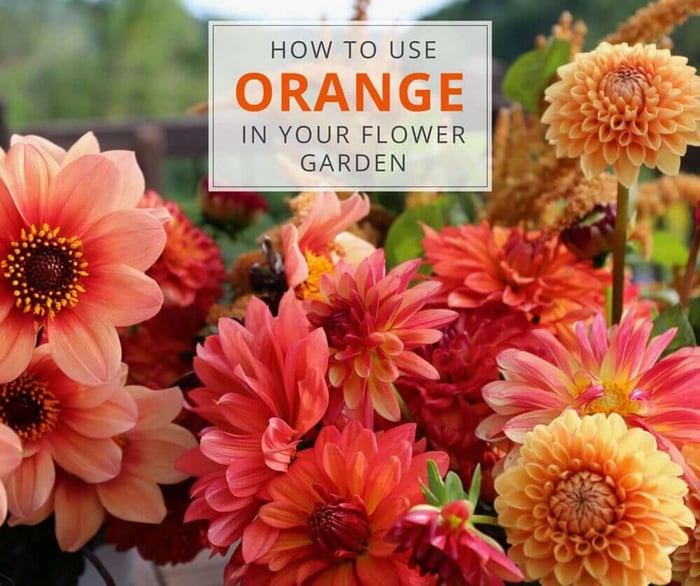
 Orange is a color that's not always easy to love -- especially in a flower garden. It has a big personality and doesn't seem motivated to blend in. This makes orange challenging to use well, but very exciting when you get it right. Read on to some new and creatibve ways to use orange in your flower garden.
Orange is a color that's fun and playful, happy and outgoing. Words such as warm, vibrant, lively and energetic are used to describe the color orange. By association, orange also conveys both energy (think basketballs, tigers and monarch butterflies) and caution (traffic cones, life vests and hunting jackets). And, like the fruit, the color orange also brings to mind freshness, vitality and good health.
On the color wheel, orange is a secondary color, which means it is made by combining two primary colors – red and yellow. True orange contains no blue, so there’s nothing to calm it down. It is undiluted energy and enthusiasm.
Using Orange in Your Flower Garden
Because of its energy and brightness, too much orange can be overwhelming. But used well, it brings all its best qualities to a garden, elevating it in every way. There’s nothing calming about orange. It grabs your eyes and holds your attention. In the landscape, orange flowers seem to come forward and appear closer than they actually are.
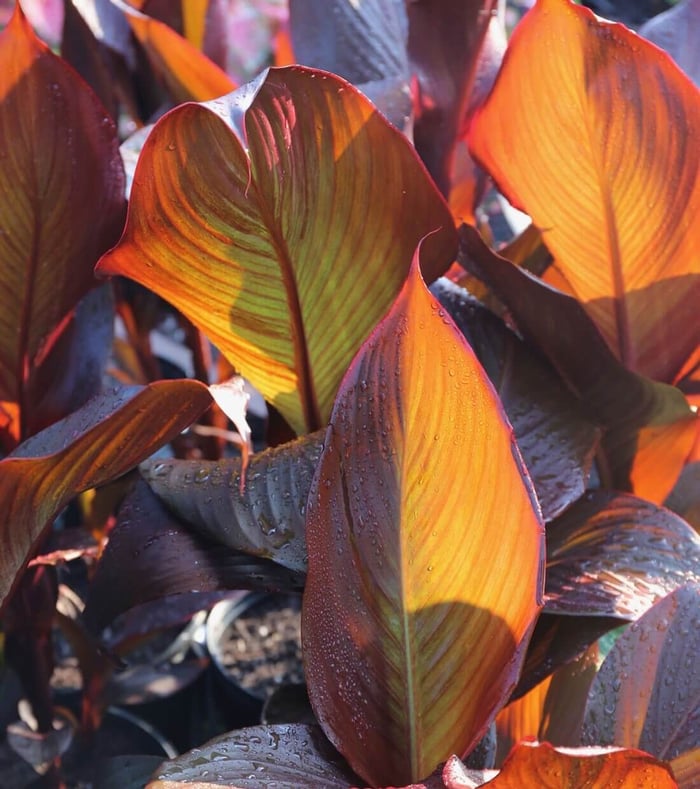
On a bright, sunny day, most flower colors look a little washed out. But orange flowers seem to absorb the sun’s energy and glow even more brightly. This is especially noticeable in the fall, when the sun is low in the sky and the light is golden. This is when orange flowers (and foliage) really come into their own.
Getting Started With Orange Flowers
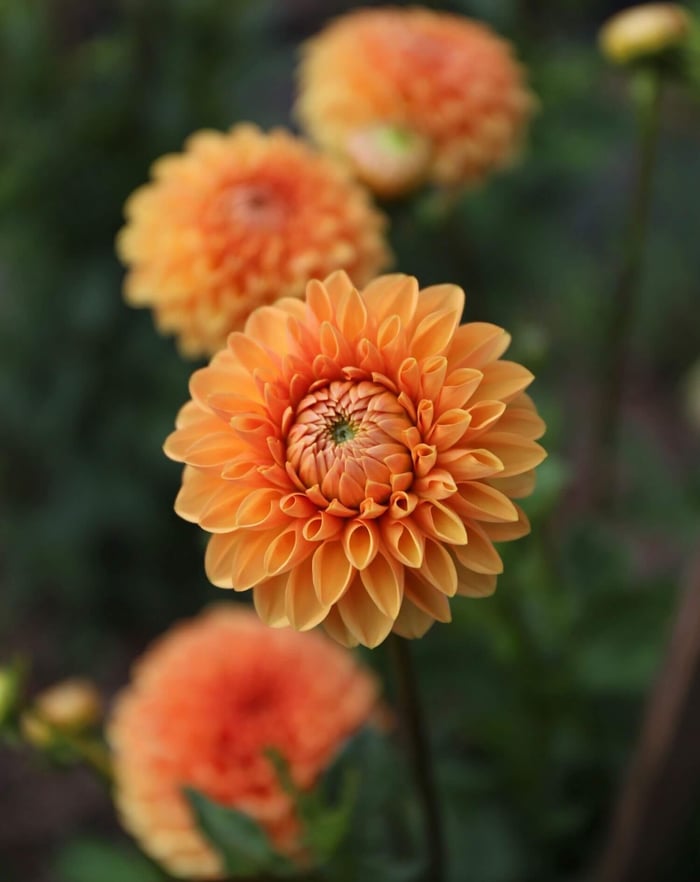
The color wheel can help you learn to love the color orange. Start with tints and shades. Tints are lighter than full strength orange, and include colors such as creamsicle, peach and cantaloupe. Flowers in these colors include the zinnias 'Salmon Rose' and diascia 'Darla Deep Salmon.' Try a melon-colored dahlia such as 'HS Date' or the coral-colored calla lily 'Natural Bouquet.'

Shades of orange are darker, and include hues such as butterscotch and terra cotta. The foliage of the canna 'Tropicanna' is a lovely combination of bronze and burnt orange. Echinacea are also available in several shades of dusky orange. Another way to mute the intensity of orange is to pair it with cream-colored flowers or bronzy foliage.
Other Ways to Put Orange to Work in Your Garden
If you're ready to turn up the intensity, look to complementary colors. These are opposites on the color wheel, and when positioned side by side, they intensify each other. Blue is orange's complementary color, but in the garden that can be a bit of a challenge because there aren't many blue flowers. Options include gentians, cornflowers, scilla, forget-me-nots, delphiniums, salvias, and mophead hydrangeas.
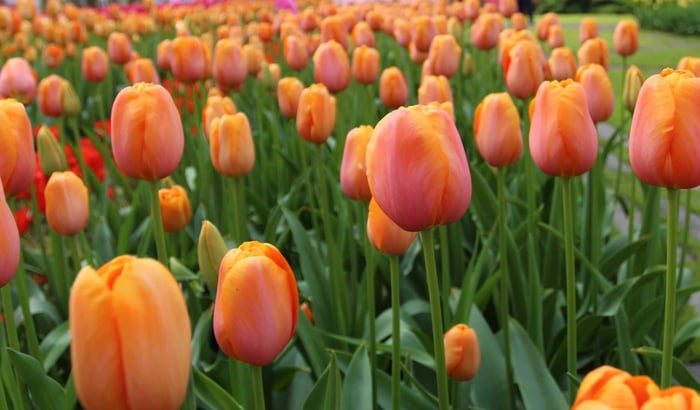
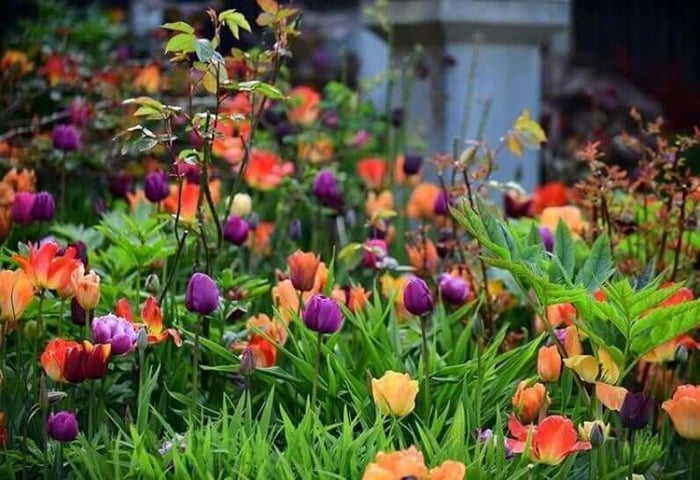 Orange tulips in the garden of Danish garden designer Claus Dalby.
Fortunately, colors that are adjacent to blue on the color wheel provide almost the same amount of contrast. Orange looks fabulous paired with blue-green foliage or blue-violet flowers.
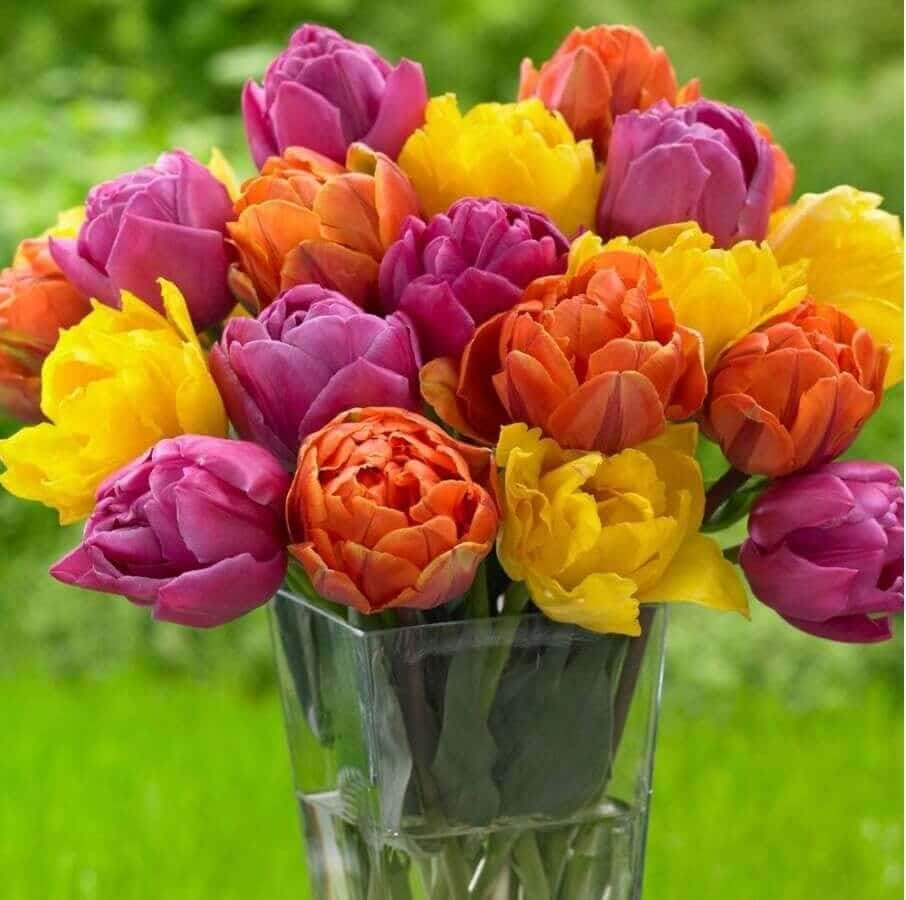
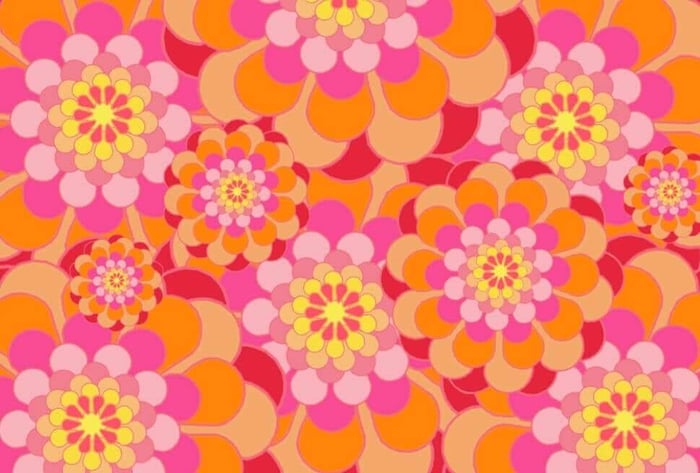
Take a cue from the pop art movement and go bolder still by adding hot pink and red. Gardens offer us an incredible opportunity to experiment by "painting" with new and unexpected color combinations.
Suggestions for What to Plant in an Orange Flower Garden
Here is a list of some annuals, perennials, and bulbs that have orange flowers:
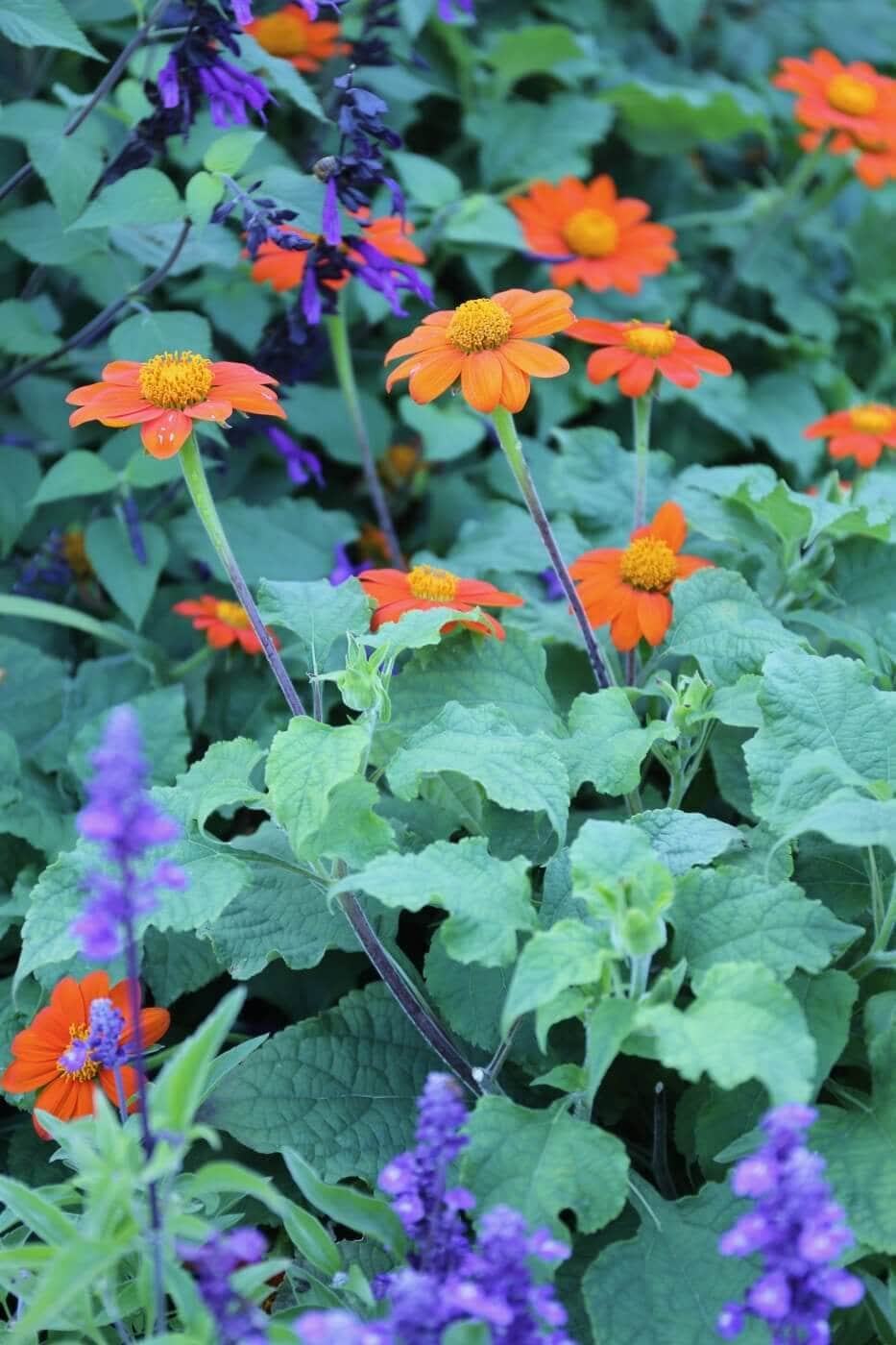
Annuals Calendulas, calibrachoa, celosia, cosmos, diascia, gaillardia, gerbera, lantana, marigolds, nasturtiums, osteospermum, poppies, thunbergia, tithonia, zinnias.
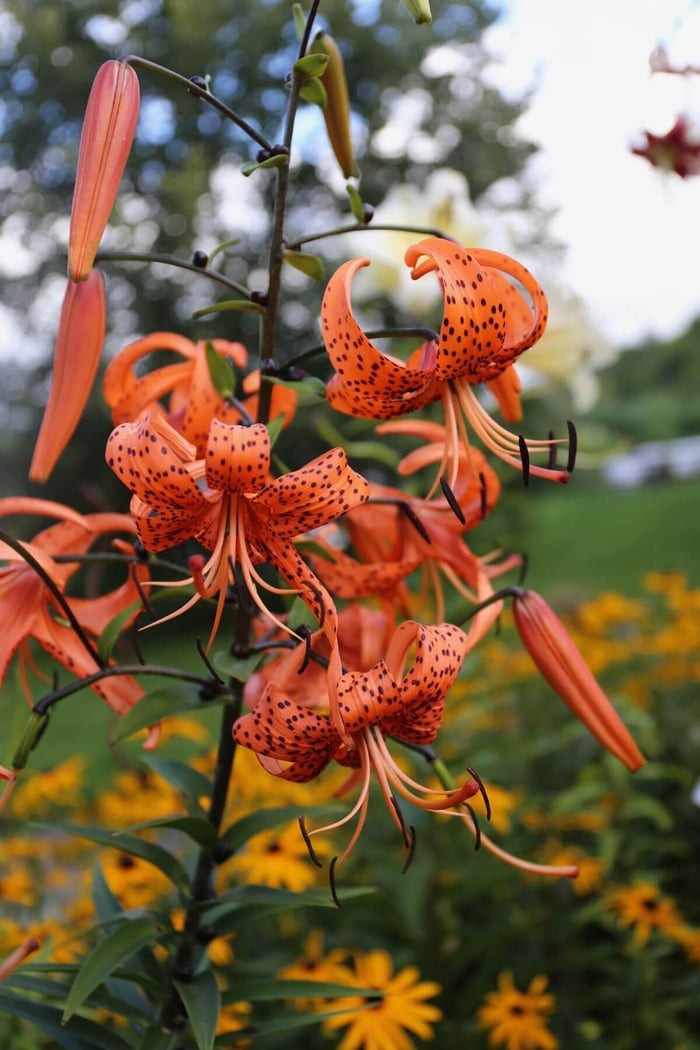
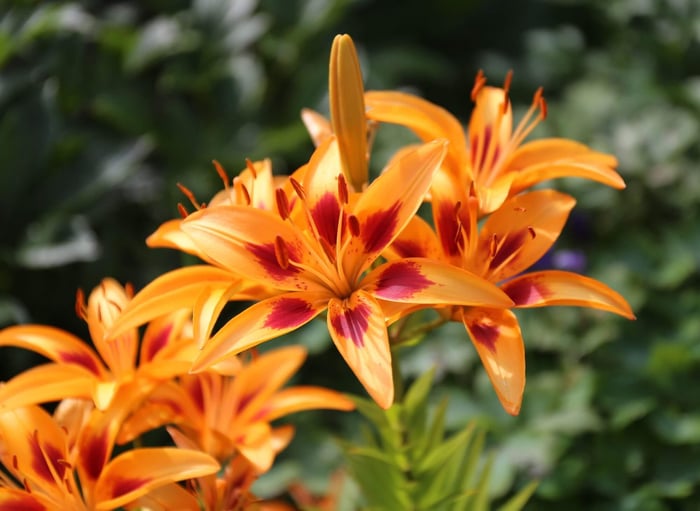
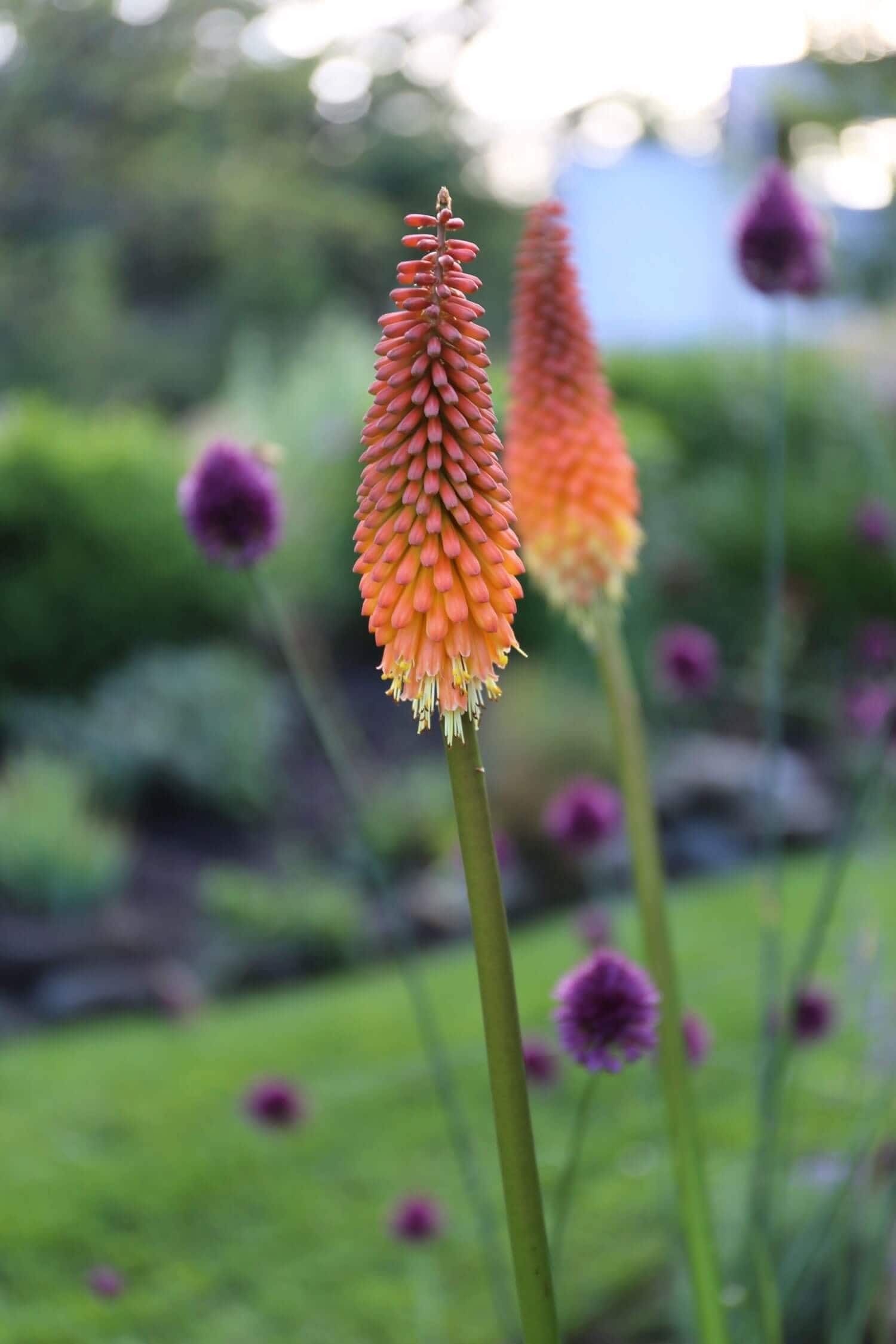
Bulbs Cannas, Fritillaria Rubra Maxima, daffodils, dahlias, gladiolus, kniphofia (red hot poker), lilies, ranunculus, tuberous begonias, tulips.
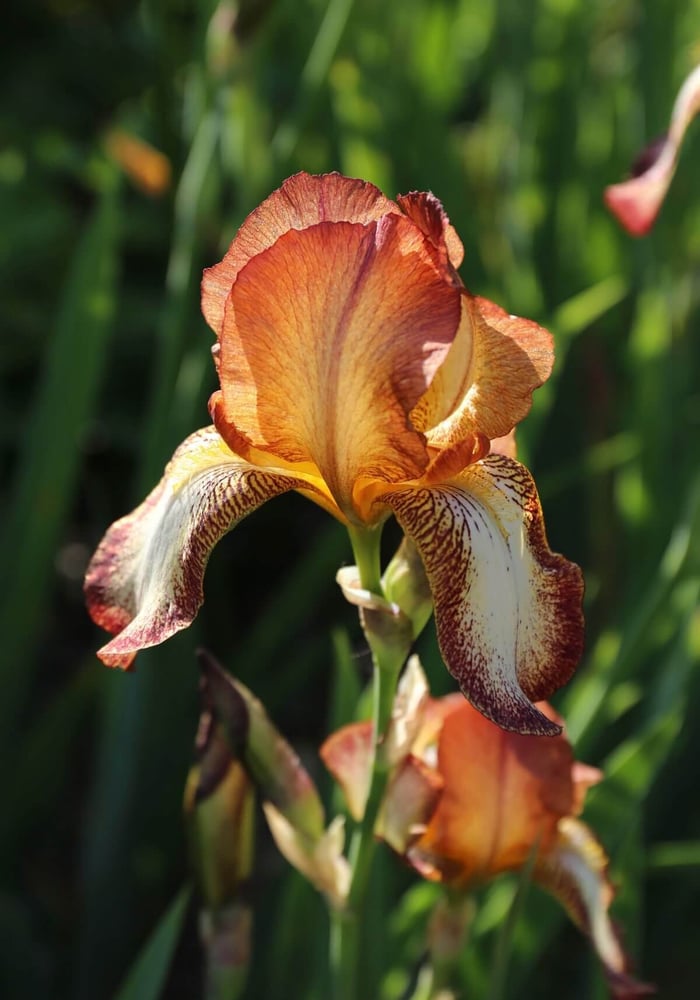
Perennials Chrysanthemum, daylily, helenium, hibiscus, iris, trumpet vine
To learn more about using color in your garden, you may be interested in reading one of these articles on our website: How to Use Pink in Your Flower Garden, and 6 Tips for a More Colorful Flower Garden.