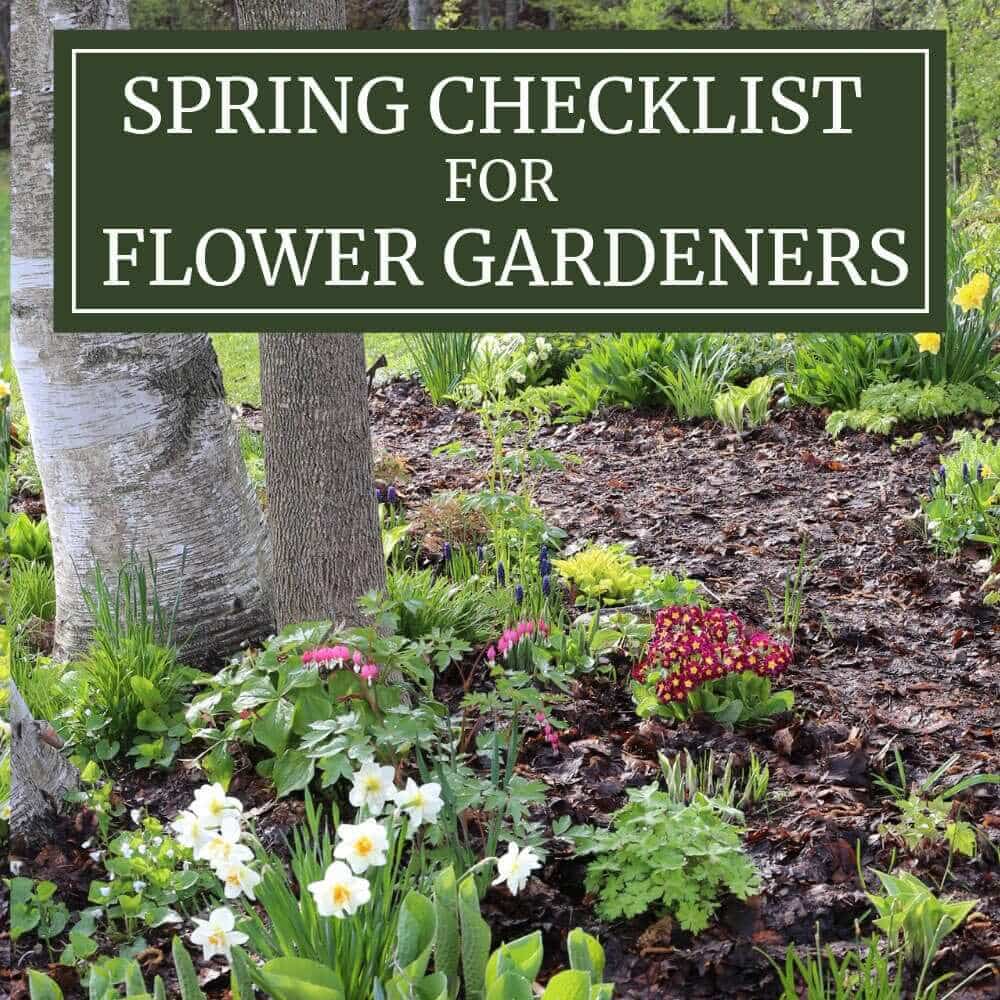
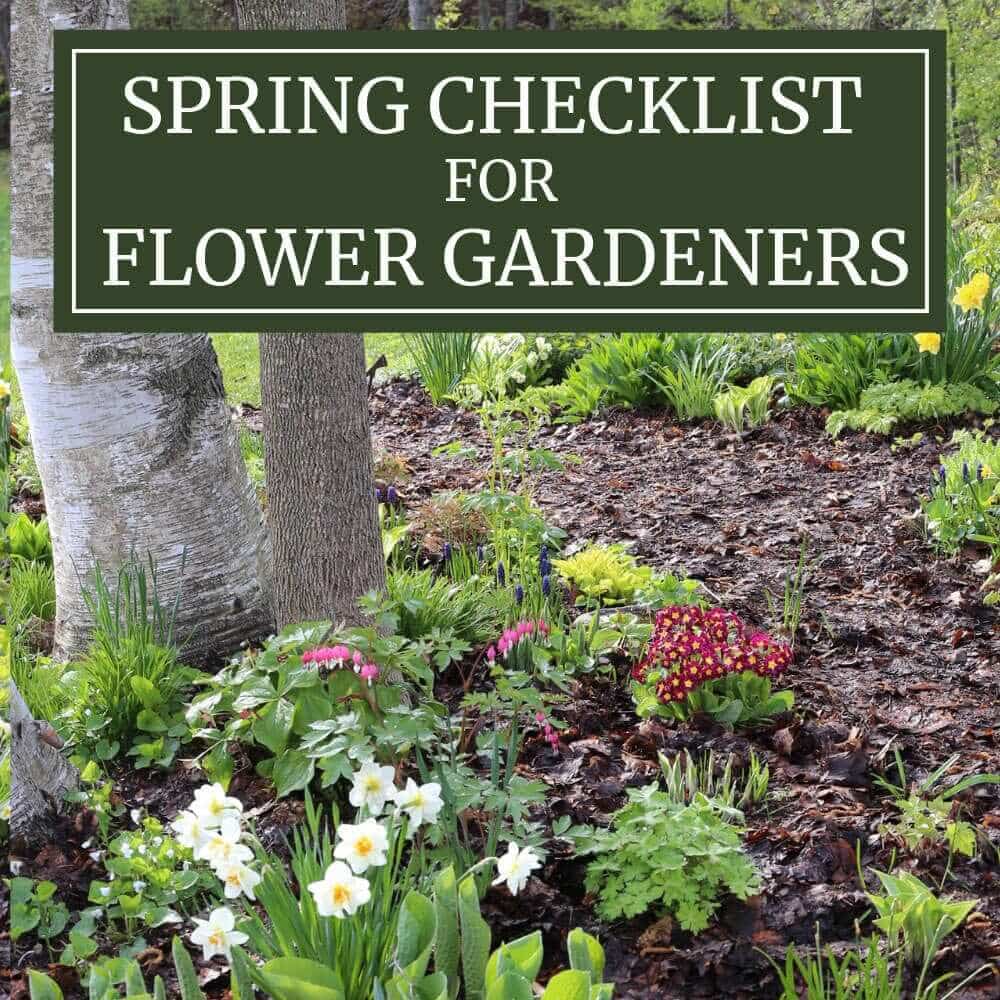
Our enthusiasm and pent up energy is a good thing, because spring to-do lists can be overwhelming. Here are six tasks that deserve to be near the top of your early spring checklist. Tackle them now and you’ll reap the benefits all season long.
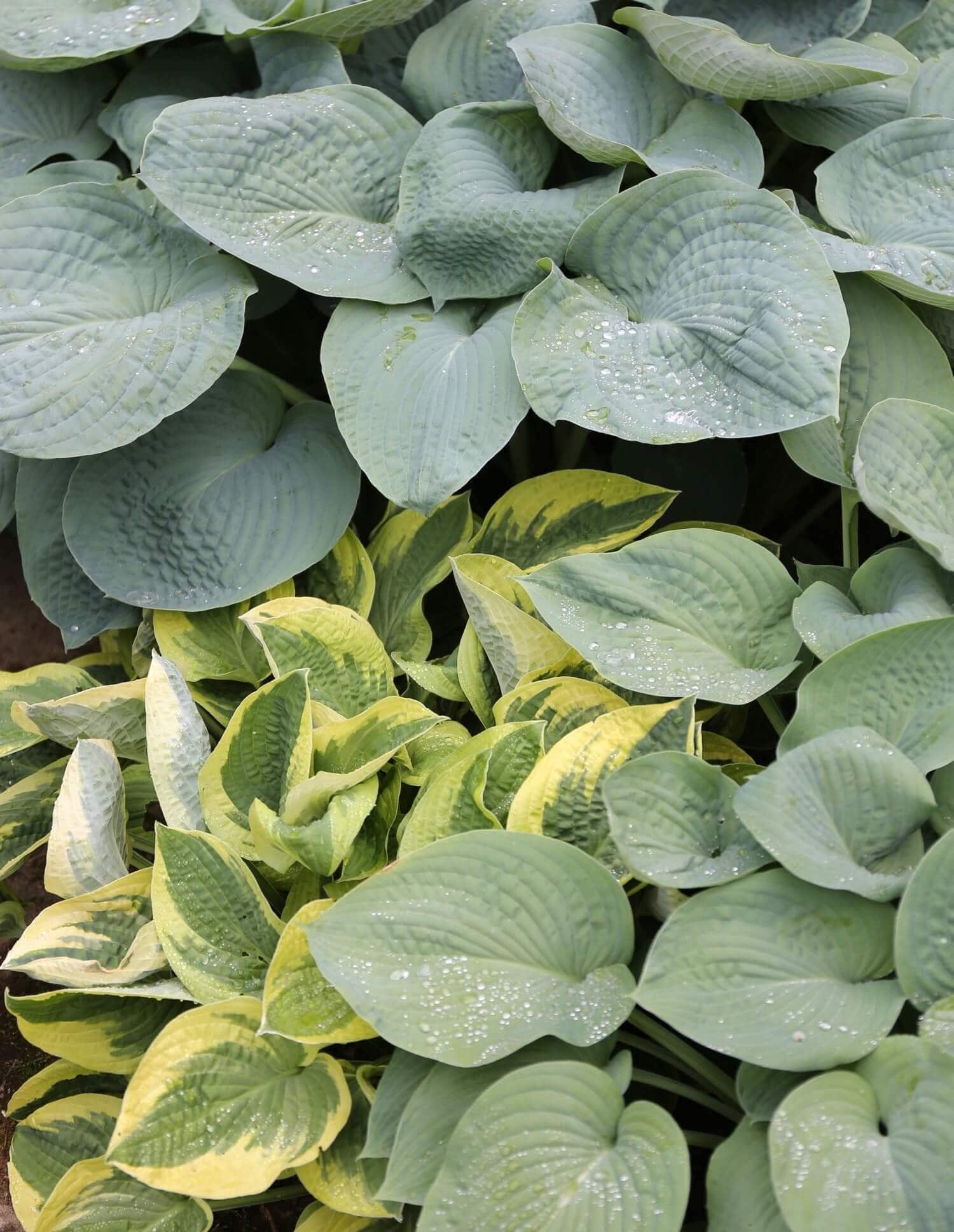
Divide and Conquer Your Perennials
One reason to divide perennials is to generate additional plants for your own garden or to share with friends. But there’s another more important reason. Many perennials should be divided regularly to maintain an attractive appearance and ensure abundant flower production. Early spring is the best time to do it.
Vigorous perennials may need to be divided as often as every three or four years. If ignored, they can start encroaching on their neighbors, develop dead spots in the middle, or get so crowded that they can't flower properly. These include sedum, aster, yarrow, iris, heuchera, lamb's ears, shasta daisy, creeping phlox and ornamental grasses. Slow-growing, long-lived perennials such as peonies, clematis, baptisia and goatsbeard rarely need dividing.
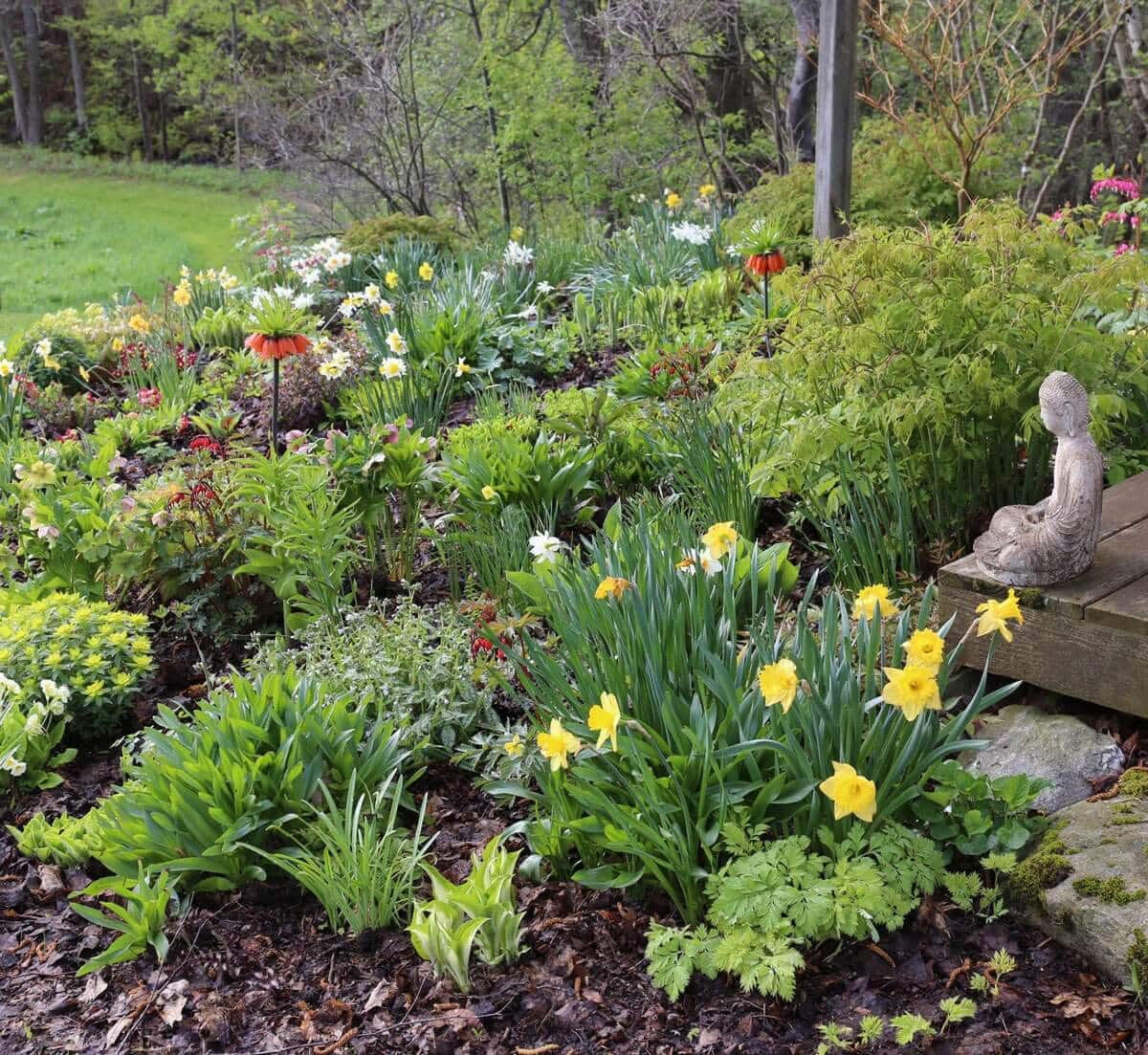
There are two approaches to dividing the average perennial. The easiest is to use a spade to chop the plant in half. Remove one chunk and then adjust the one that remains so it sits in the middle of the space.
The other option is to dig up the entire plant and put it on a tarp. Then you can either cut it into pieces or pull it apart into more manageable clumps. Discard the weak parts and replant only the most vigorous sections.
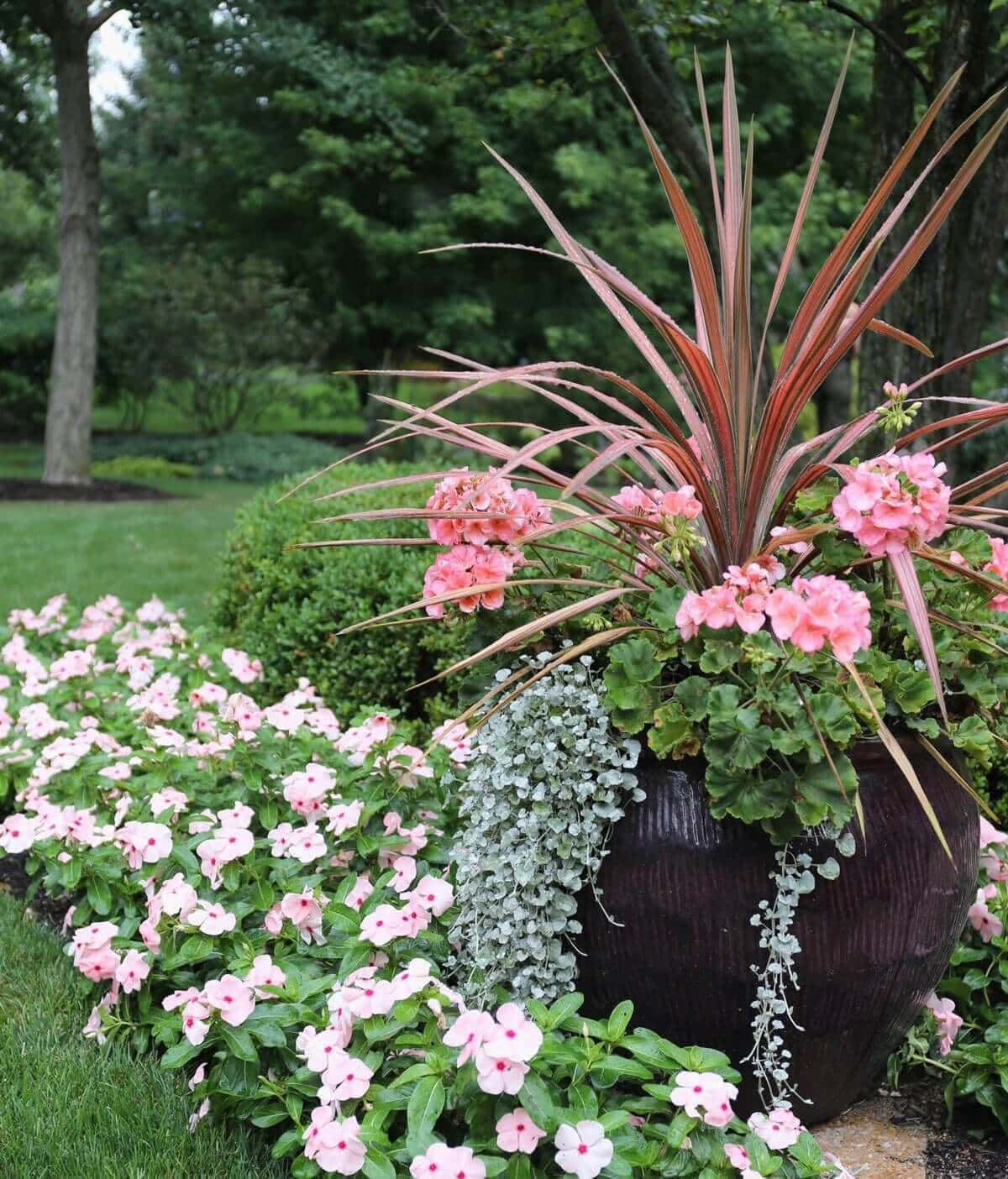
Plant Annual Flowers for Continuous Blooms
Most perennials bloom only at a certain time during the season – peonies in May, astilbes in June, echinacea in July. Annuals, on the other hand, bloom steadily all season long.
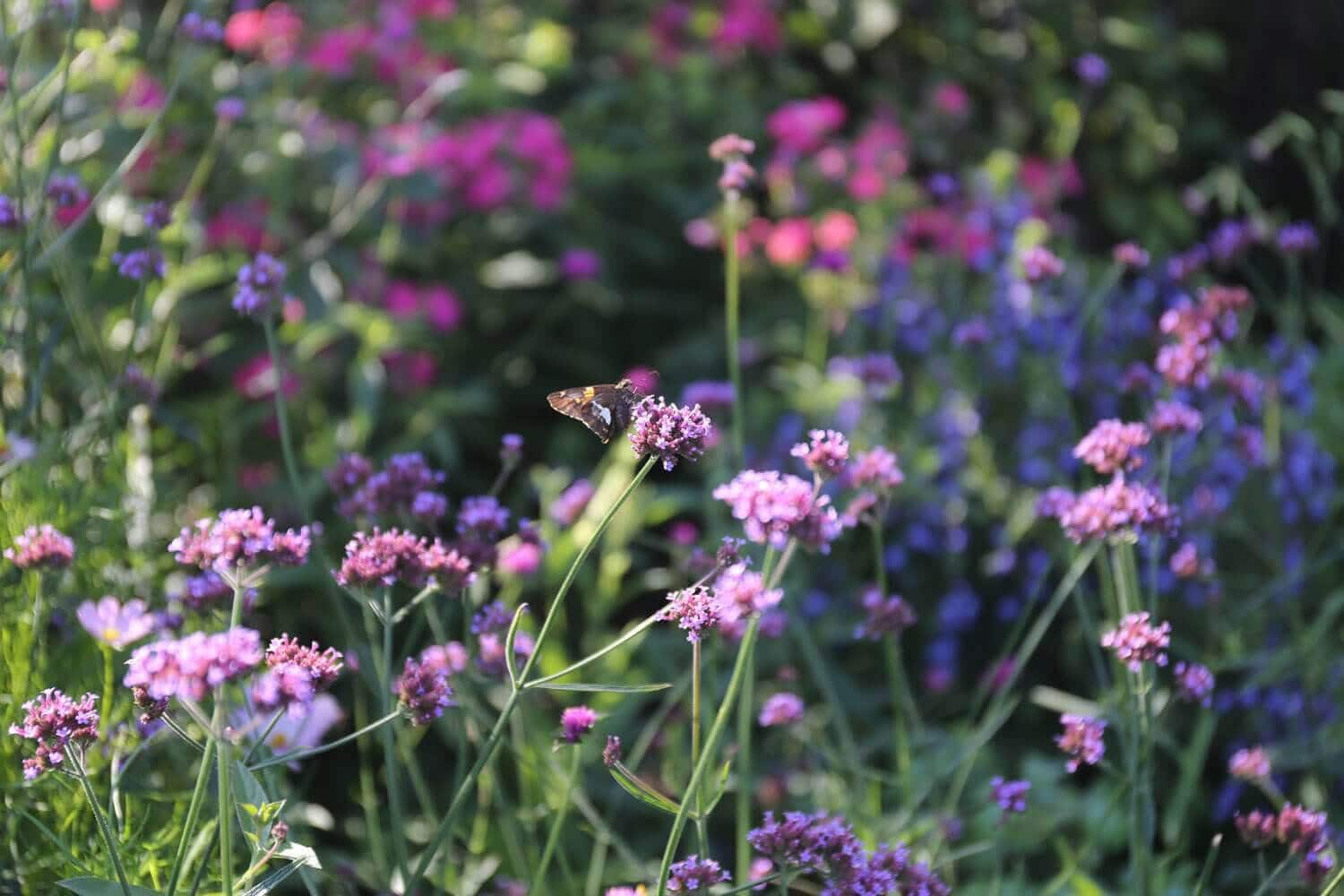
Annuals are usually purchased as seedlings from a garden center. But growing some of your annuals from seed is both fun and economical. You can grow dozens of plants from a $3.00 packet of seeds. Sow the seeds in early spring and you’ll be surprised how quickly they reach flowering size.
Good annuals for late season color include zinnias, amaranth, verbena, cosmos, bachelor buttons, larkspur, mallow, poppies, sunflowers, marigolds and cleome.
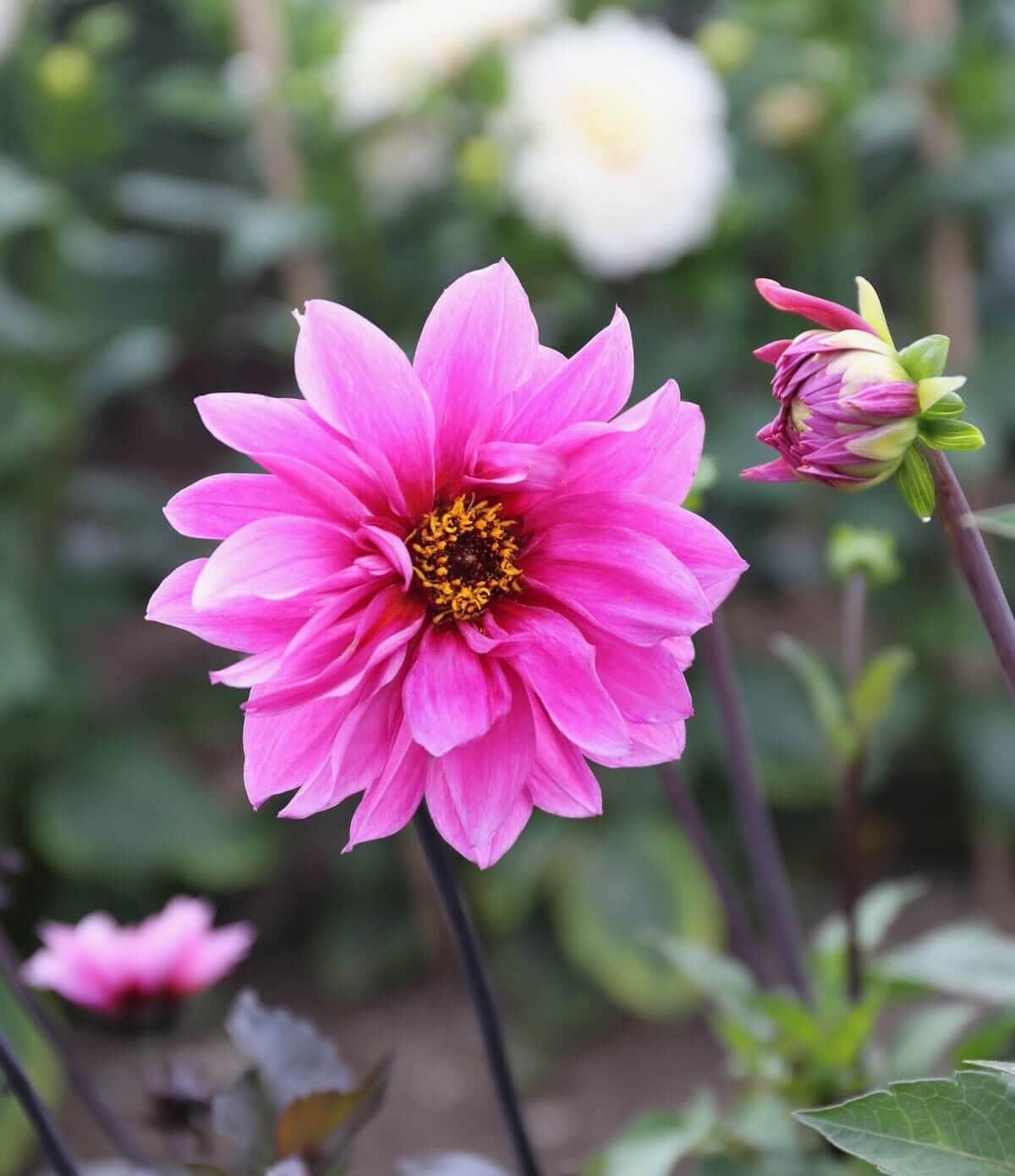
Plant Summer-Blooming Bulbs
Some of the best flowers for late season color are summer-blooming bulbs. These plants typically maintain a low profile during the first part of the season, but by August, they are blooming their heads off. Since there’s no need for these plants to produce seeds, they can continue flowering with abandon right through the fall.
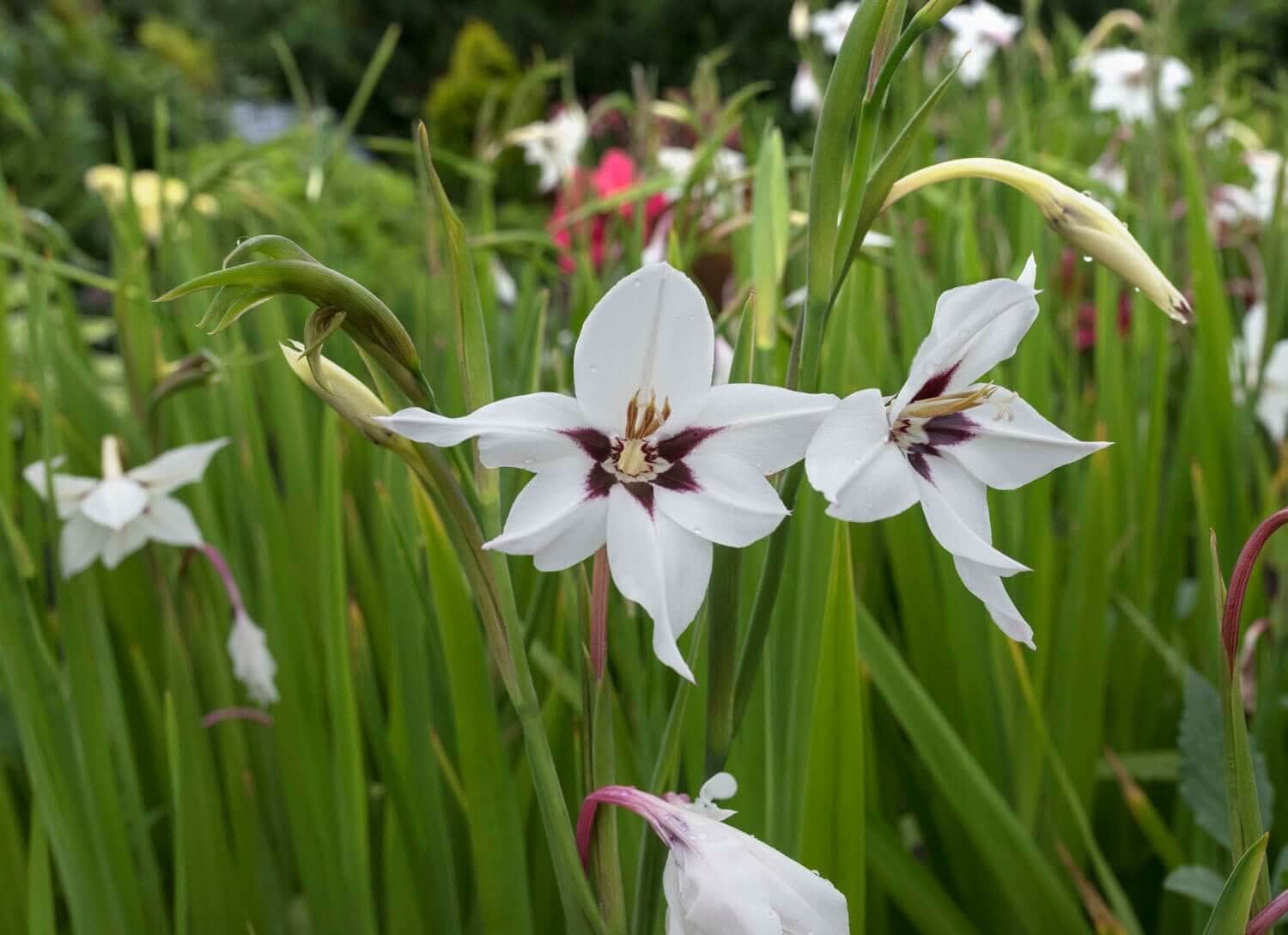
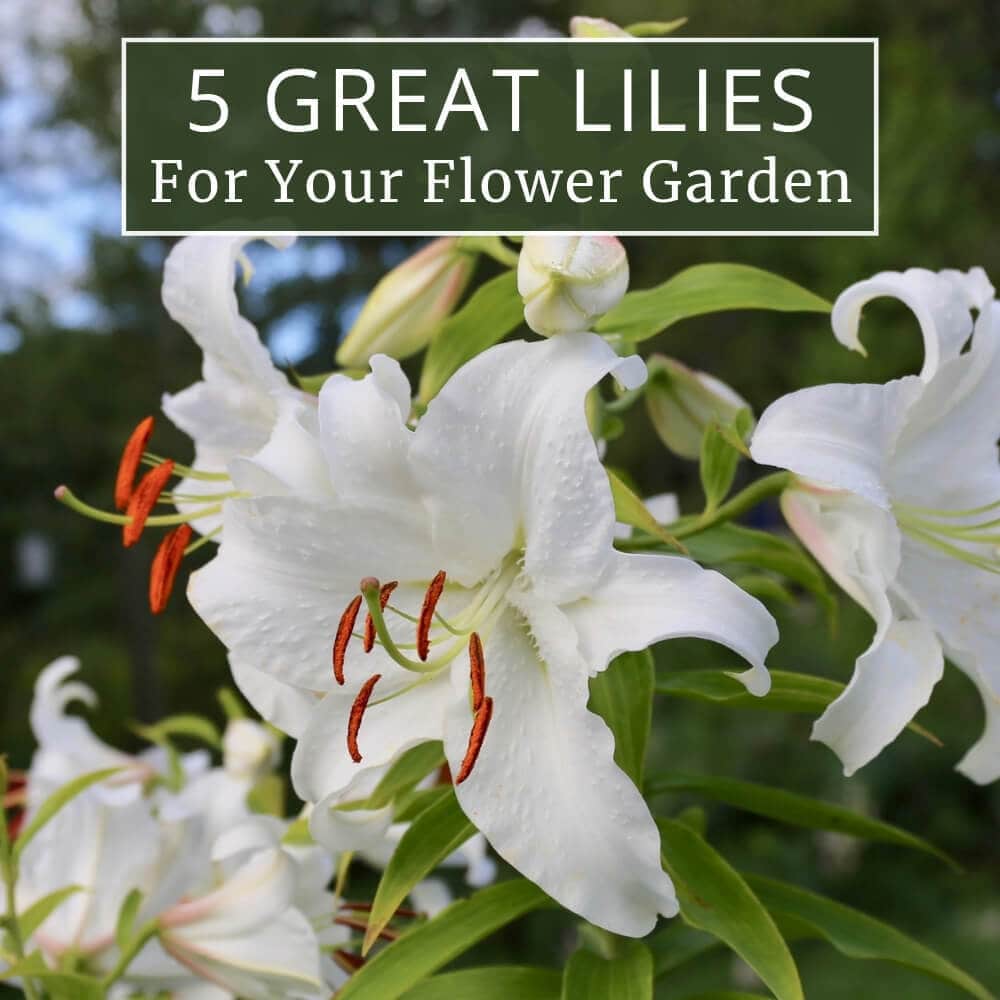
Summer bulbs grow remarkably fast. Plant them in spring and they’ll be flowering just a few months later. Consider adding some of these favorites to your flower garden: dahlias, lilies, gladiolus, caladiums, cannas, callas, eucomis and acidanthera.
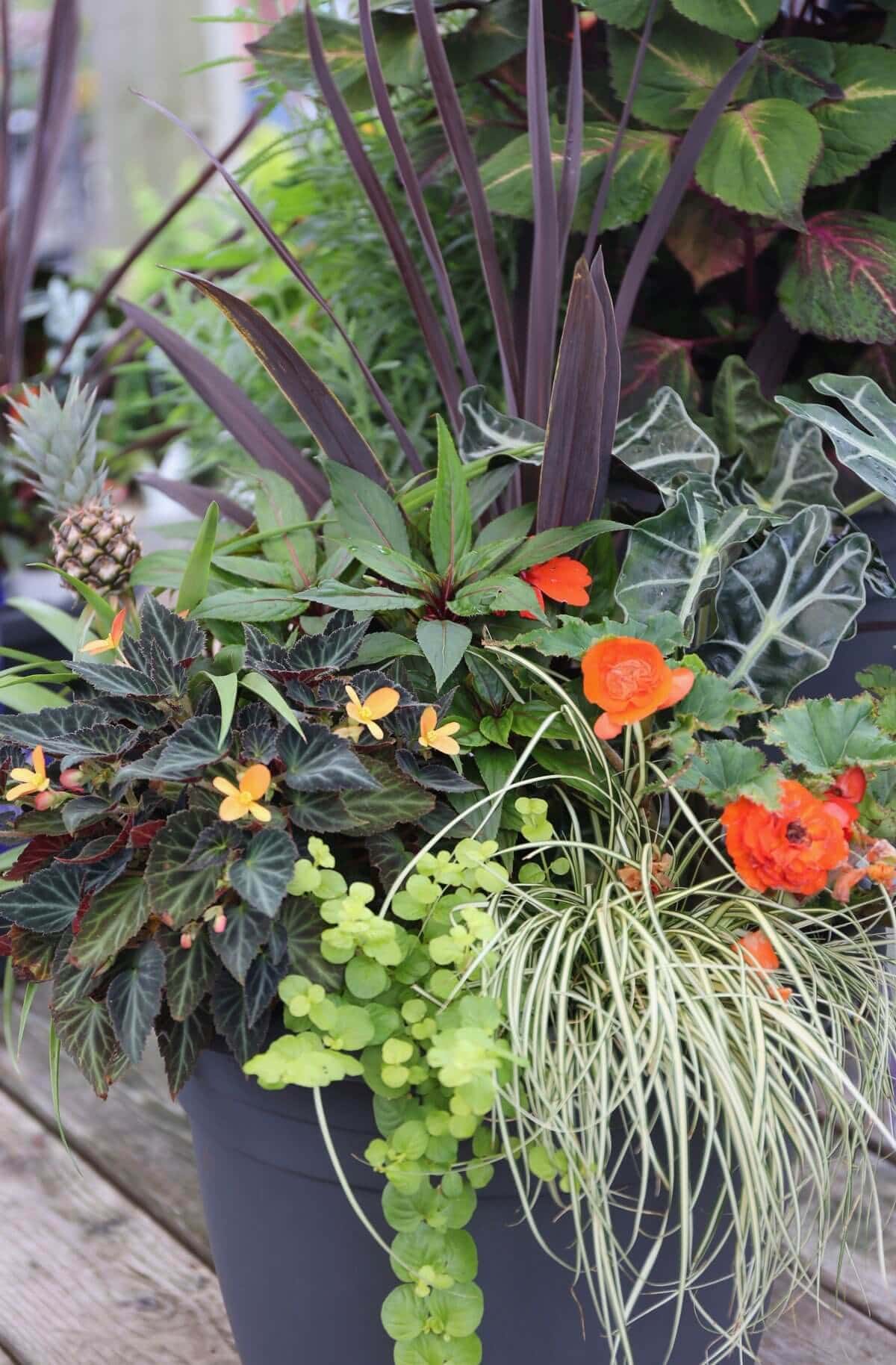
Gear Up for Containers
No matter what size flower garden you tend, containers have an important role to play. They bring a burst of color and interesting texture to places that would otherwise go without. Containers also give you the opportunity to grow unusual plants that might not thrive or look appropriate in a garden bed.
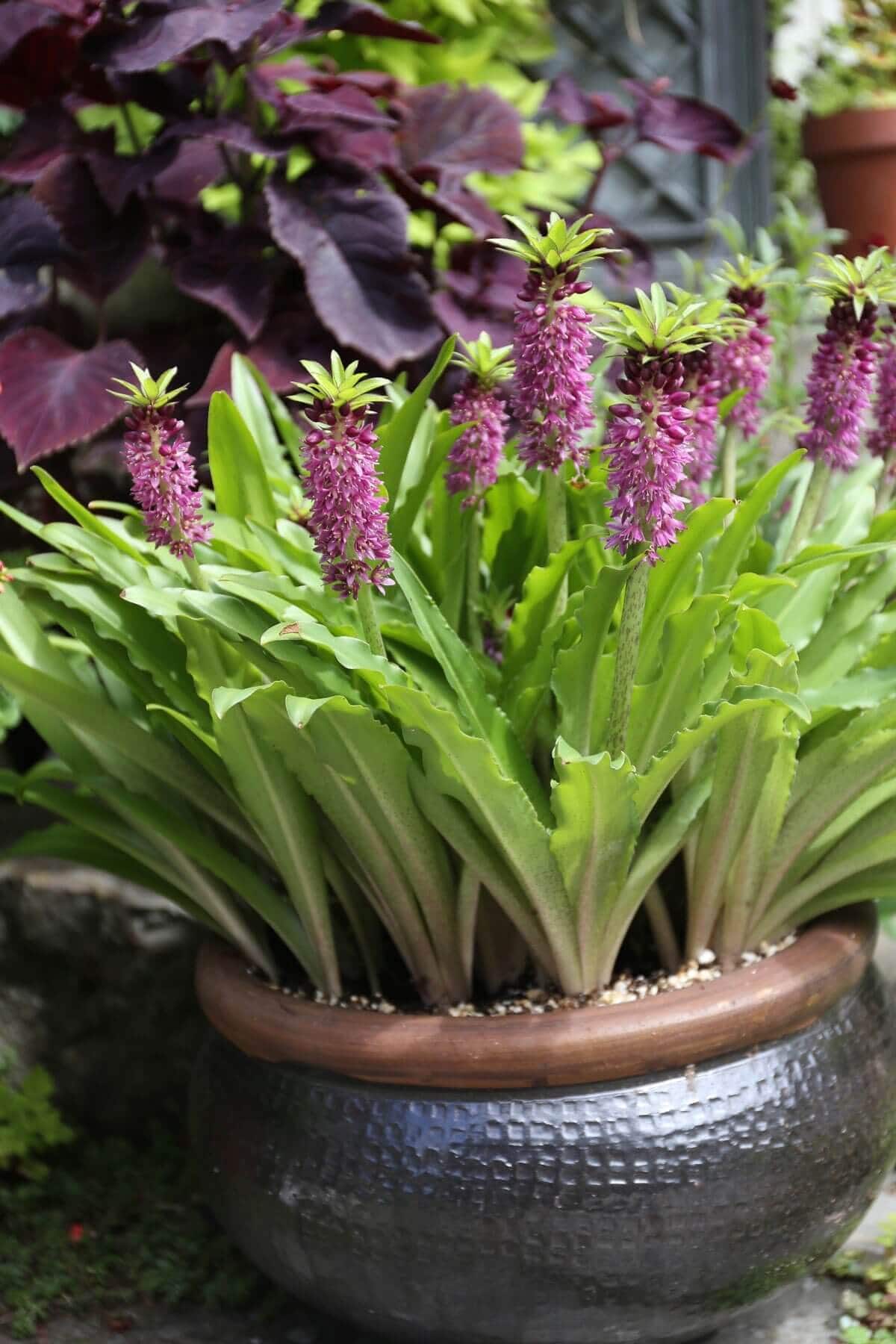
You probably plant decorative containers for your deck, patio, porch or entryway, but here’s another way to put containers to work in your garden. Gather some 2 and 3-gallon nursery pots and fill them with summer bulbs such as dahlias, lilies, callas, acidanthera and even glads and cannas. After planting, put the pots somewhere out of the way until later in the summer. In August, these plants will be exactly what you need to perk up a past-its-prime flower bed or refresh a tired-looking planter.
Shape and Prune Shrubs
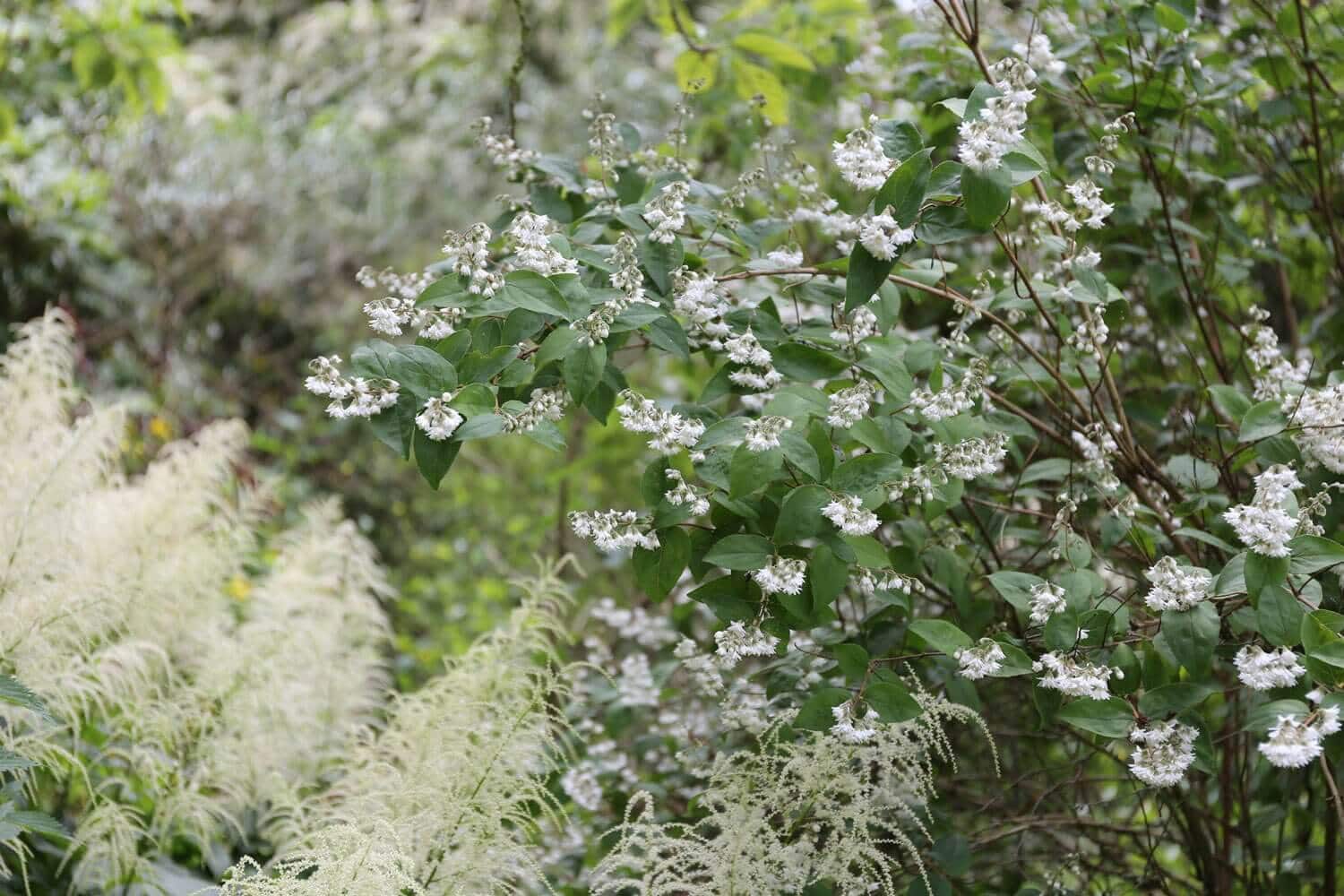
Gardens often incorporate shrubs to add privacy, frame views and help create a sense of enclosure. But it’s easy for shrubs to outgrow their intended space. An early spring pruning lets you keep them at a size that’s appropriate for the garden.
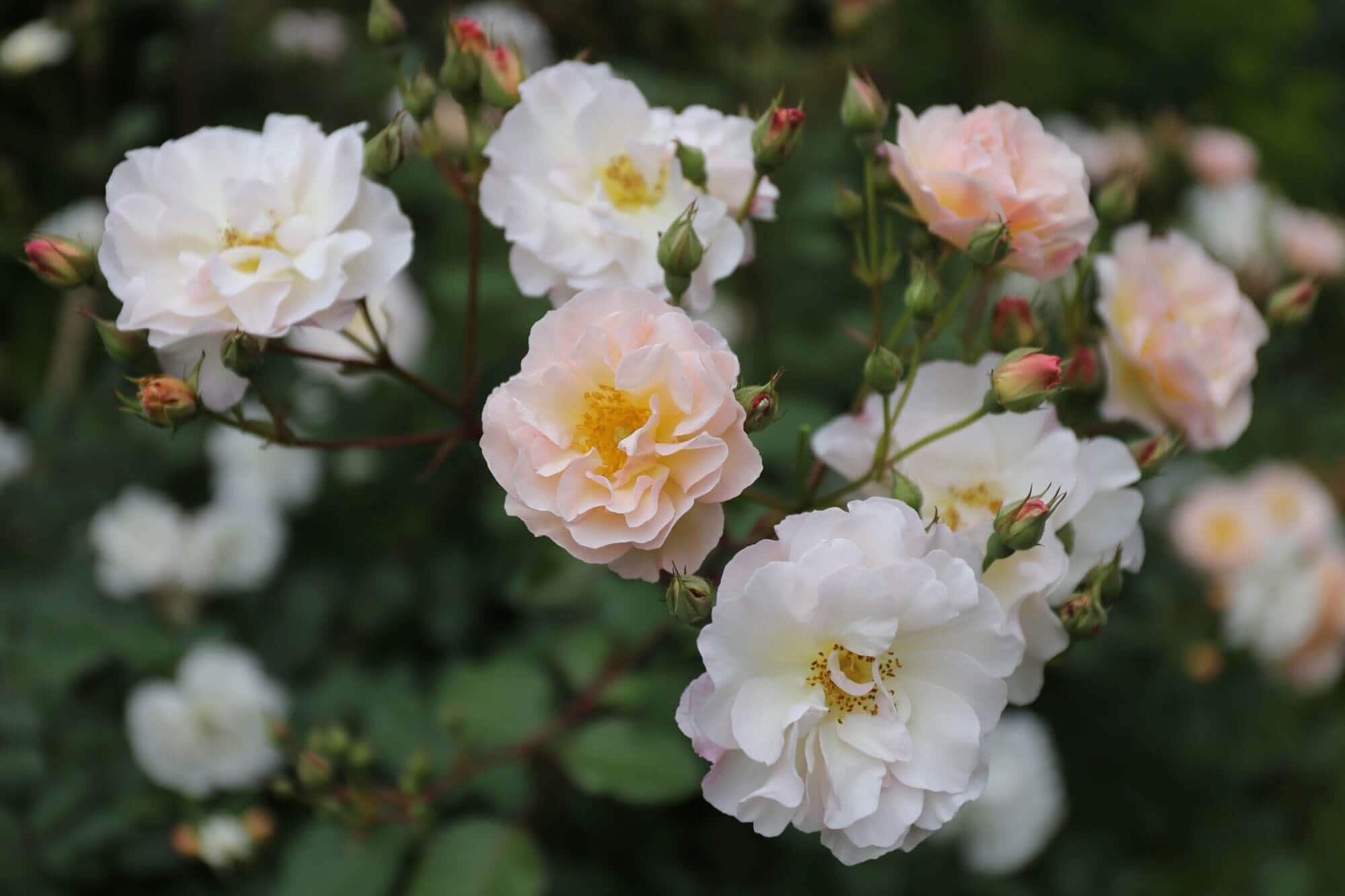
Shrubs that flower in spring or early summer (before mid-June) are usually flowering with buds that were formed the prior summer. Wait to prune them until right after they flower. These plants include forsythia, lilacs, azaleas, mock orange, deutsia, and spirea.
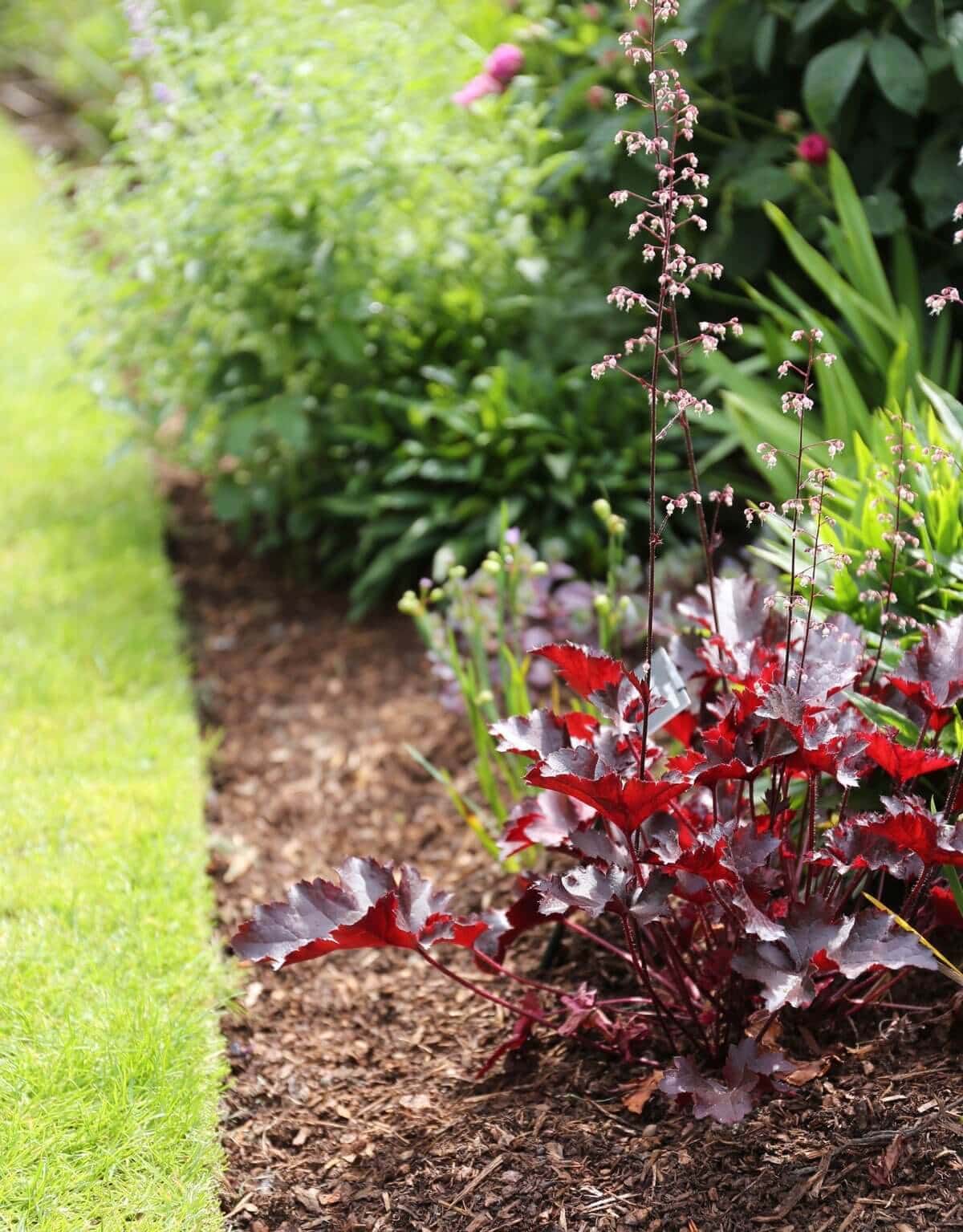
Edge and Mulch Your Beds
There’s no quicker way to spruce up a flower garden than to give it a neat edge, and early spring is the best time to do it. You can use a hand edger with a half-moon head, a sharp, flat-headed spade, or an electric or gas-powered edger.
For a more permanent option, consider installing a continuous barrier made of plastic or steel. Done right, permanent edging is all but invisible and lasts for decades.
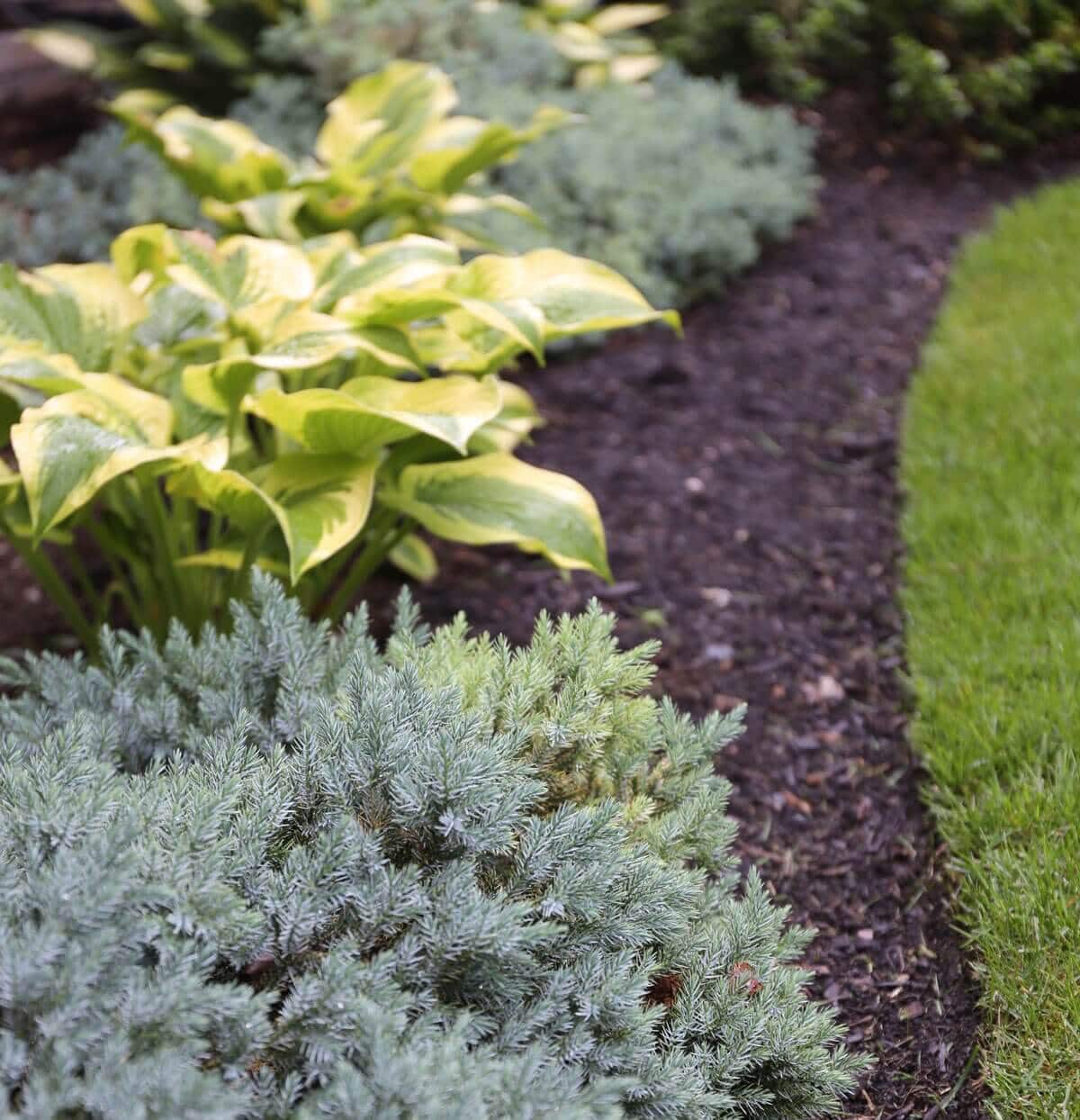
Once you have cut a clean edge, it’s time to mulch. Keeping the soil surface covered with leaf mold, compost or shredded leaves discourages new weeds from germinating and makes any new weeds easier to pull out.
In flower gardens, it's best to avoid using bark chips or shredded bark. Though they will eventually add valuable organic matter to the soil, the decomposition process uses up nutrients that would otherwise be available to your plants.