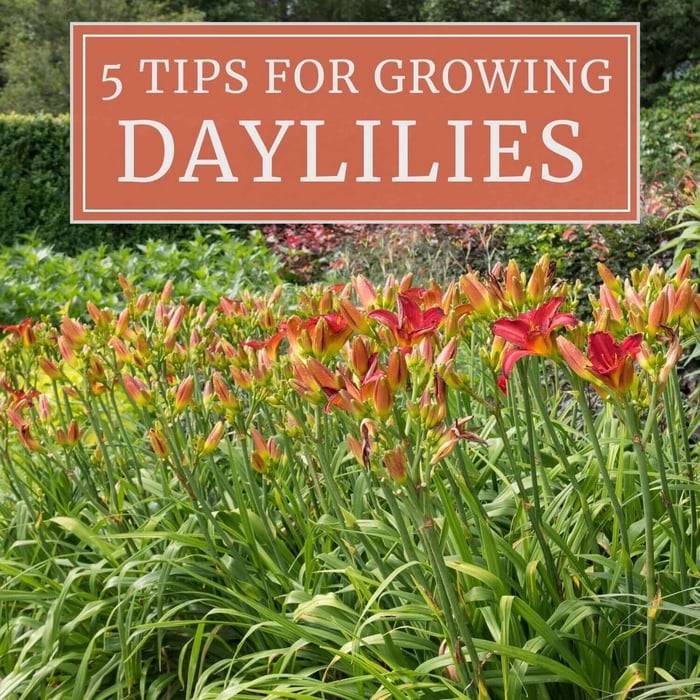
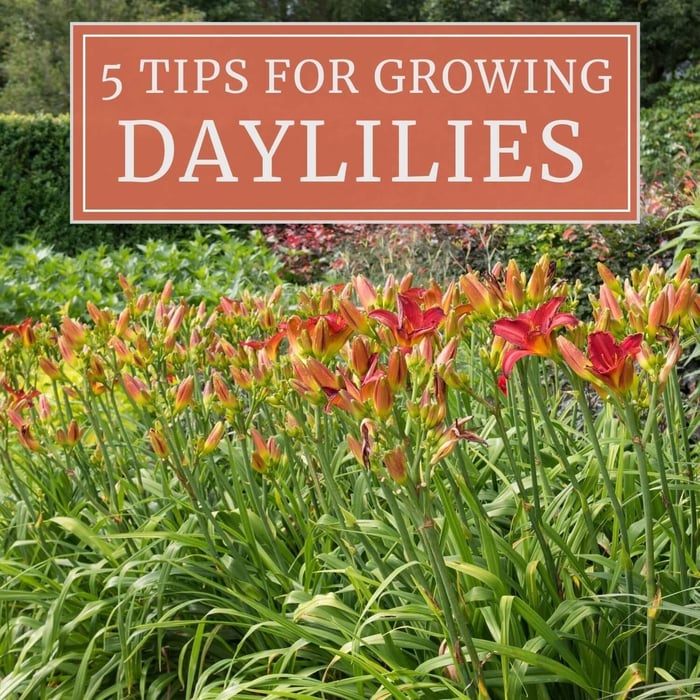
 Daylilies are well-known for their toughness. They grow in almost any climate and will tolerate a wide variety of soil conditions. They are not troubled by diseases or pests, and bloom for decades with little to no attention.
Fortunately, daylilies, whose Latin name is Hemerocallis, are as beautiful as they are tough. You can choose from an astonishing range of cultivars, with sizes and flower colors to suit almost any garden design. These summer-blooming perennials are as suitable for flower gardens and landscaping, as they are for rain gardens, naturalized areas and mass plantings.
Here are some tips for growing daylilies that will help you get the most from these hard-working plants.
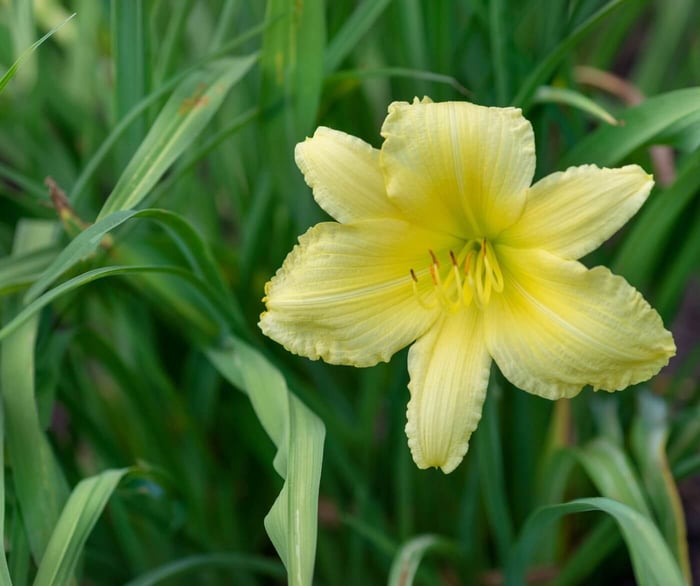
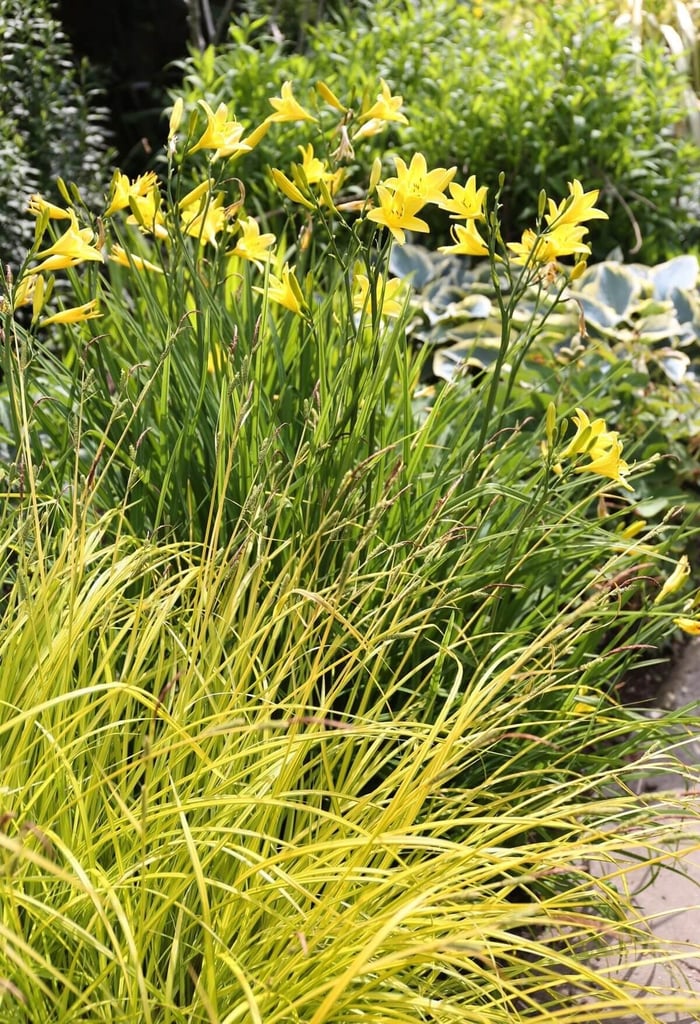 This heirloom variety, commonly known as "lemon lily" is Hemerocallis lilioasphodelus. It's an early bloomer and the flowers are fragrant.
Select for Bloom Time and Flower Height
Daylilies are relatively easy to hybridize, and over the past 60 years, plant breeders have introduced hundreds of different cultivars. These can be grouped in a number of ways:
Bloom time (early, mid, late and re-blooming)
Flower color (white, yellow, pink, red, orange, purple and bicolors)
Foliage height (1 to 3 feet)
Flower height (1 to 6 feet)
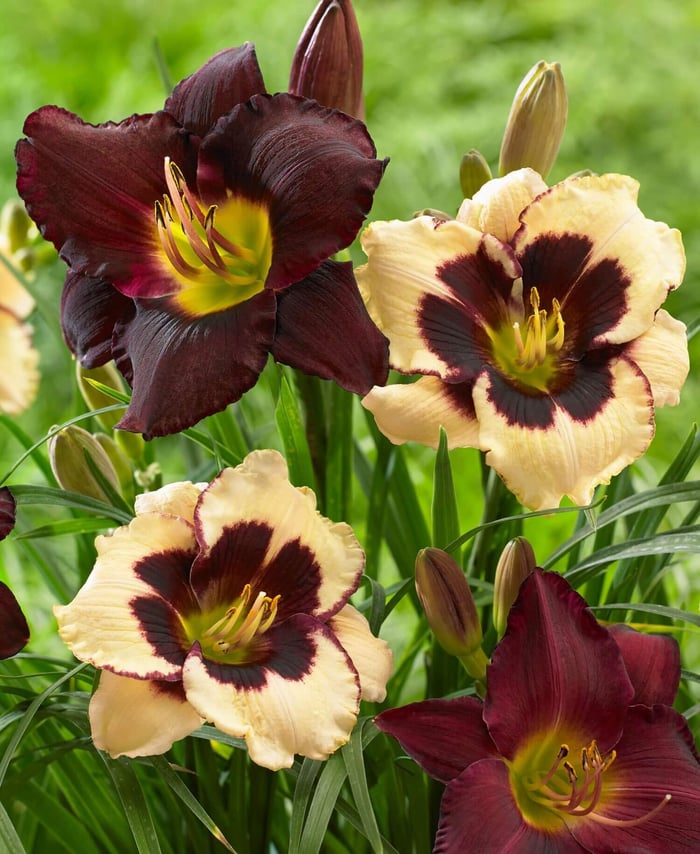
Flower form (trumpet, double, ruffled or recurved)
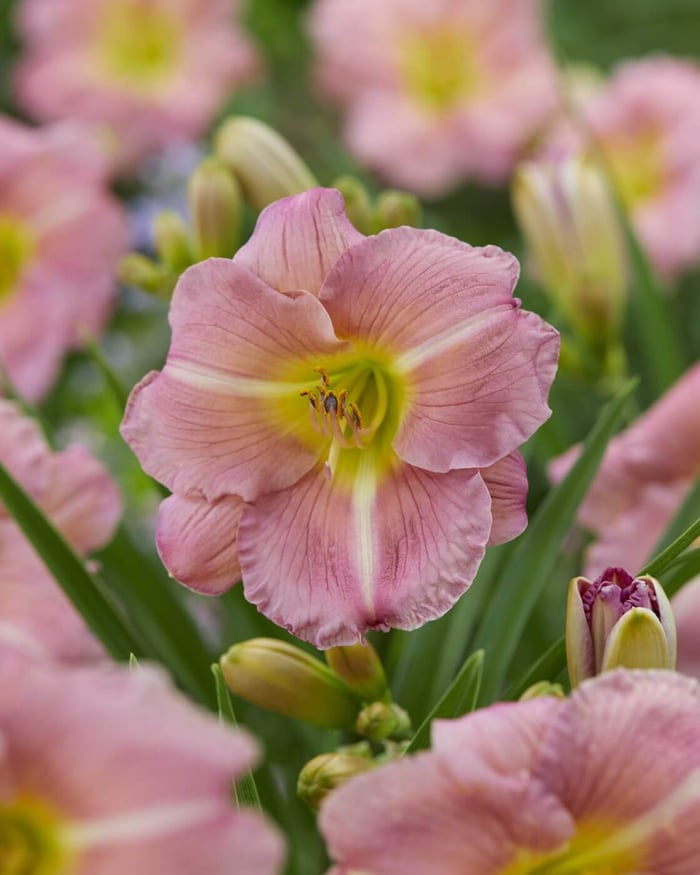
Daylily 'Lavender Tonic'
When shopping for daylilies, take full advantage of the many options by doing some research before making a purchase and always check the plant description or label so you know what to expect. If possible, try to see some of these plants in person. There are more than 250 official American Daylily Society Display gardens around the country. Click HERE to find one near you.
Give Daylilies a Sunny Spot
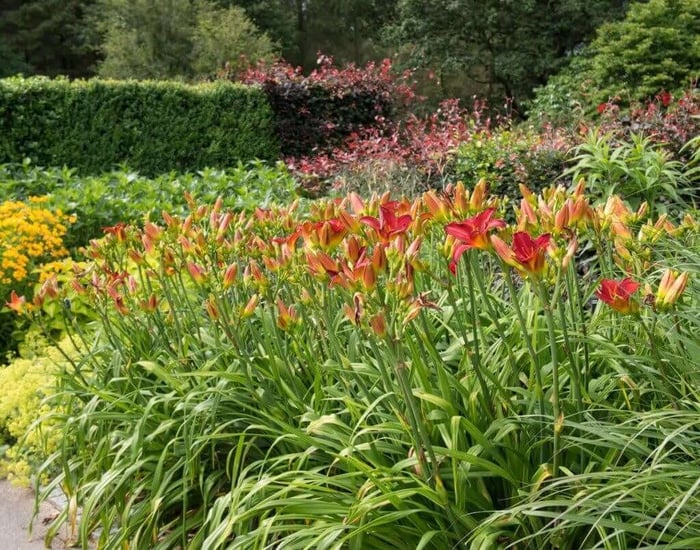
Daylilies are high energy plants that need at least 6 hours of direct sunlight to produce a good display of flowers. When the plants are grown in partial shade, they will have nice foliage, but not as many flowers. That said, in hot climates, cultivars with dark flowers hold their color better when they receive some afternoon shade.
If you are planting an area in your yard that’s dedicated to daylilies, consider combining them with daffodils. Both are vigorous plants that can thrive in the same type of soil. The bulbs will bloom in early spring while the daylilies are still dormant. Then, when the daylilies emerge, their foliage will hide the daffodils’ yellowing leaves. Daffodil bulbs can be planted in fall, any time before the ground freezes.
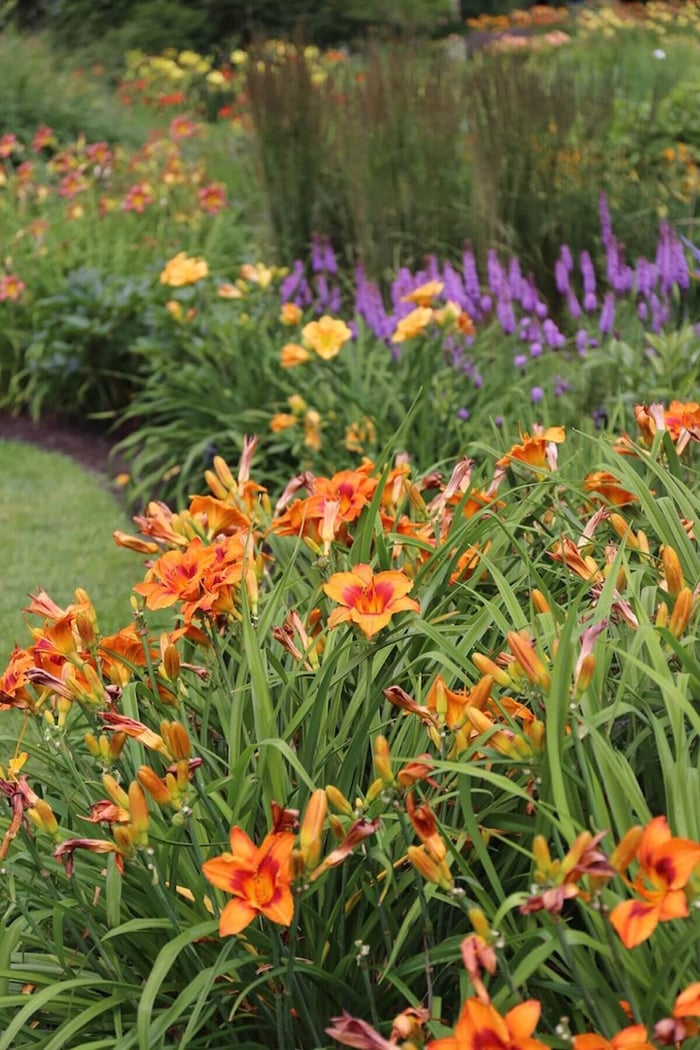
Mulch to Control Weeds and Conserve Moisture
Daylilies are drought tolerant, but they prefer growing in soil that stays moist throughout the growing season. In fact, daylilies are perfectly happy to grow near a pond or seasonal waterway. With their dense, shallow root systems, they also help to reduce soil erosion.
If your yard includes areas that are steep or otherwise hard to mow, daylilies can be a colorful, low maintenance solution. Use them for planting along fence lines, stream banks, drainage ditches and even urban hell strips. The plants don’t mind rocky or compacted soil, and they also grow well in containers.
Before planting a large bed of daylilies, take time to loosen the soil and remove any grass or weeds. After planting, apply a 2” layer of mulch to help retain moisture and suppress weeds. Mulch is especially beneficial in dry climates. When growing daylilies as a ground cover, plant them 12-18” apart on center. Keep the area weeded for the first couple years. Once they have filled in, the plants should be able to out-compete most weeds. 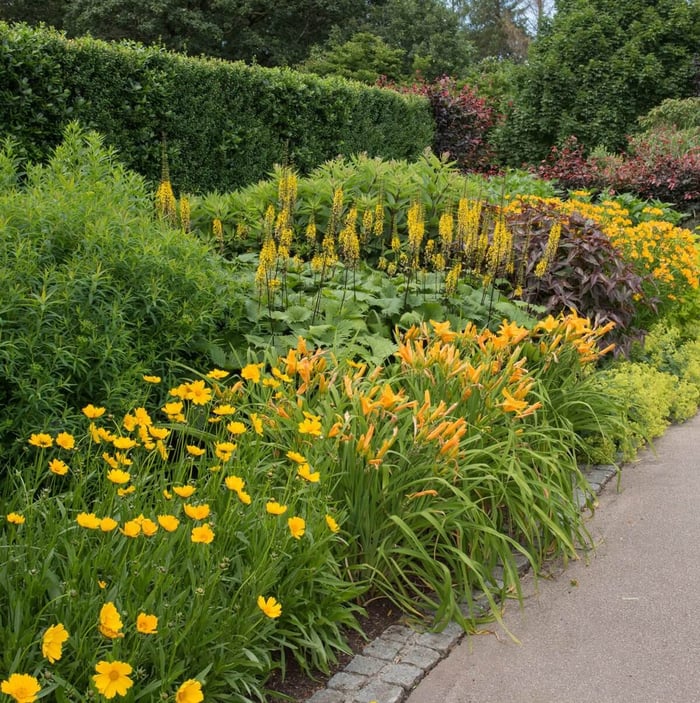
Don’t Hesitate to Move and Divide
Daylilies are easy to divide and transplant. Their thick, fleshy roots store moisture and energy, which gives them a built-in buffer while they're adjusting to a new location. Early spring or early fall are the best times to divide daylilies, though in northern climates you can do at almost any time during the growing season.
 Some daylily cultivars are more vigorous than others, so there’s no hard and fast rule about when they should be divided. If you're getting fewer flowers and you can't see any soil between the plants, it’s probably time.
To divide a clump of daylilies, you can use a sharp spade to carve away portions of the main clump or dig out the entire plant and then cut it into smaller chunks. For easier handling, you can cut the foliage back to about 5”. When replanting, position the crown of the plant (where roots meet stem) no more than an inch below the soil surface. 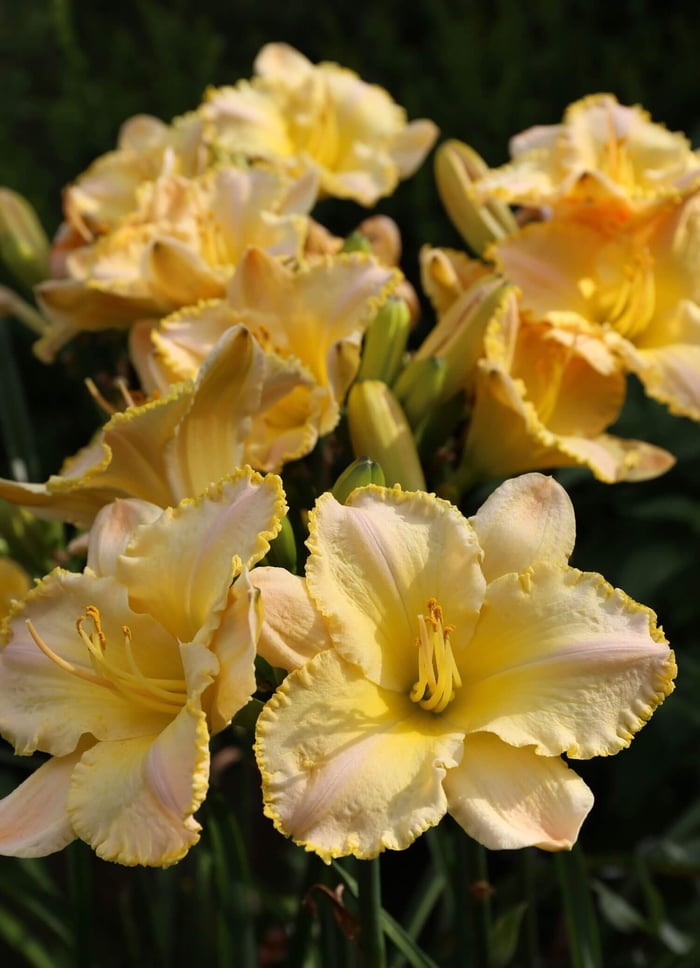 Daylily Big Smile
Keep Daylilies Looking Their Best
Each daylily flower lasts just one day. To keep the plants looking their best, snap off the spent flowers, taking care not to disturb nearby buds. This only takes a few seconds, and afterwards, you’ll be surprised how much better the plants look.
When all the buds on a scape (stem) have finished blooming, cut it back to the ground. This will keep the plant neat and prevent it from putting energy into seed production. In re-blooming types, it also helps to encourage another flush of flowers.
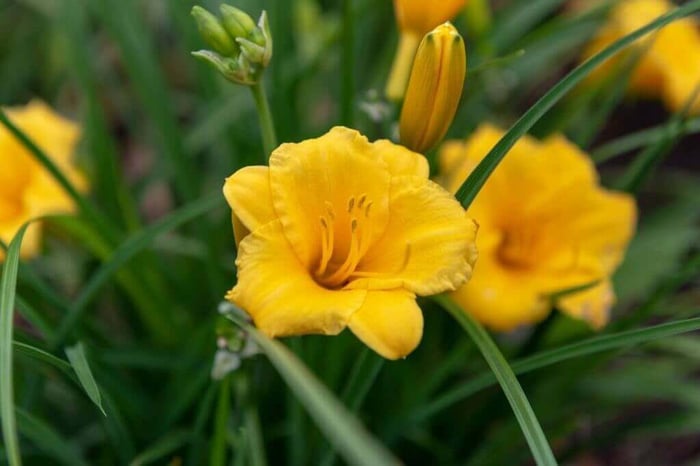 Daylily Stella d'Oro Sometimes daylily foliage will get limp or begin to turn yellow immediately after flowering. If this happens, you can cut back the foliage to stimulate a fresh flush of leaves. Another option is to relocate the plant so its leaves are partially hidden by the foliage of neighboring plants.
Most daylilies die back to the ground in winter. In spring, pull or rake away the dead leaves to make way for new growth. Some cultivars are “evergreen” and in warm climates, they may retain their foliage all year round. In spring, just cut back any foliage that looks tattered. We offer a nice selection of varieties HERE. To learn more about growing daylilies, you may be interested in reading: All About Daylilies Landscaping With Daylilies