

Introduction
Finding a new, exotic plant for your collection is one of the most exciting parts of gardening. You might be scrolling through social media when a photo stops you in your tracks: a flower that looks exactly like a vibrant blue or purple butterfly, perfectly perched on a stem. These "Butterfly Begonias" or "Moonlight Butterfly Begonias" look like something out of a fairy tale, and it is natural to want to bring that magic into your own backyard.
At Longfield Gardens, we love the enthusiasm that comes with discovering unique flowers. We know that the search for the perfect bloom often leads to wonderful real-world discoveries. While the internet is full of inspiration, it is important to know which plants will actually grow in your garden and which ones only exist on a screen. Our begonia collection offers real, reliable options for gardeners who want colorful blooms and distinctive foliage.
This guide will explain the reality behind the viral images you may have seen online. We will look at which "butterfly" plants are real, how to spot digital fakes, and how you can achieve a stunning, butterfly-inspired look using real, reliable begonias. The world of real plants is even more impressive than what you see in edited photos.
The Viral Mystery: Are Butterfly Begonias Real?
The short answer is both yes and no, but mostly no in the way they are often pictured. If you have seen a photo of a begonia with flowers that are perfectly shaped like glowing blue butterflies, you are looking at an image created by artificial intelligence (AI). These specific "Moonlight Butterfly Begonias" are not real plants.
In recent years, AI-generated images have become very common in gardening groups on social media. These images often feature colors that do not exist in the begonia world, such as electric blue or neon purple. The flowers in these photos are often perfectly symmetrical, mimicking the anatomy of a butterfly with impossible detail.
While these images are beautiful to look at, they can be misleading. Many websites use these fake photos to sell seeds that will never grow into the plant pictured. In most cases, these "seeds" turn out to be common weeds or different flowers entirely. It is always best to stick with trusted sources when you are looking for specific cultivars.
Key Takeaway: The "Moonlight Butterfly Begonia" with blue or glowing purple butterfly-shaped flowers is a digital creation. These plants do not exist in nature and cannot be grown from seeds.


Real Plants with the "Butterfly" Name
Even though the glowing blue versions are fake, the name "Butterfly Begonia" does belong to a few real plants. These varieties are loved by collectors for their unique shapes and patterns, even if they don't look like an actual insect.
Begonia aconitifolia
This is the plant most often correctly called the "Butterfly Begonia." It is a type of cane-like begonia that is prized for its foliage rather than its flowers. The leaves are deeply lobed and shaped in a way that many people think resembles the wings of a butterfly.
While it produces clusters of pretty pink or white flowers, the "butterfly" part of the name refers to the dramatic, pointed leaves. It is a stunning plant that adds texture and elegance to a shady corner of the garden or a bright indoor space.
Begonia 'Butterfly'
There is also a specific cultivar simply named 'Butterfly'. This variety is known for its upright growth habit and attractive, spotted leaves. It typically produces dainty white flowers. While it is a lovely plant, it does not have flowers shaped like butterflies. It is a reliable performer and a great choice for anyone who enjoys the classic look of a spotted begonia.
The Swallowtail Plant (Christia obcordata)
If you are looking for a plant that truly looks like it is covered in butterflies, the Swallowtail Plant is the closest real-world match. Interestingly, this is not a begonia at all. It is a member of the pea family.
The leaves of Christia obcordata are triangular and striped with burgundy and green, making them look remarkably like the wings of a swallowtail butterfly. Because these leaves are real, they have the natural variations and imperfections that make gardening so rewarding.
What to do next:
- Identify if the photo you saw was blue or neon; if so, it is likely AI.
- Search for "Begonia aconitifolia" to see what the real butterfly-winged foliage looks like.
- Look into the "Swallowtail Plant" if you want a real plant with butterfly-shaped leaves.
- Check reputable plant databases to verify any new "cultivars" you see on social media.
How to Spot a Fake Plant Online
It can be hard to tell the difference between a rare, exotic plant and a digital fake. Scammers often use AI to create "dream plants" that appeal to our sense of wonder. Learning a few simple signs of a fake can save you time and money.
Unnatural Colors
Blue is a very rare color in the plant world, especially in begonias. While some flowers are a soft lavender or a deep purple, a bright, glowing sapphire blue is almost always a sign of a digital edit. If the color looks like it belongs in a neon sign rather than a garden, proceed with caution.
Perfect Symmetry
Nature is beautiful, but it is rarely perfect. AI images often show flowers that are 100% symmetrical, with every petal or "wing" being an exact mirror of the other. Real flowers have small variations in size, shape, and color.
Too Good to Be True
If a website is selling seeds for a plant that looks like it came from another planet, and you cannot find any mention of it on university or botanical garden websites, it is likely a scam. Reliable nurseries like ours will always provide clear, honest photos of what the plant looks like in a real garden setting.
"A good rule of thumb is to look for photos of the plant in a natural setting. If you only see one or two identical photos across the entire internet, the plant likely isn't real."
Real Begonias That Offer Similar Beauty
If you were disappointed to find out that the "Moonlight Butterfly" isn't real, don't worry! The world of real begonias is filled with varieties that are just as captivating. Many begonias have "wing" shapes and colors that are truly spectacular.
Angel Wing Begonias
These are a favorite for many home gardeners. The leaves are long and shaped exactly like a bird or angel wing. Many varieties, such as 'Lucerna', have silver spots on deep green leaves with a burgundy underside. When they bloom, they produce large, drooping clusters of flowers in shades of pink or red that provide a tropical feel.
Rex Begonias
If it was the intricate patterns of the "butterfly" wings that caught your eye, Rex begonias are the perfect alternative. These plants are grown for their foliage, which comes in swirls of silver, purple, pink, and green. The patterns can be so complex that they rival the beauty of any butterfly wing.
Tuberous Begonias
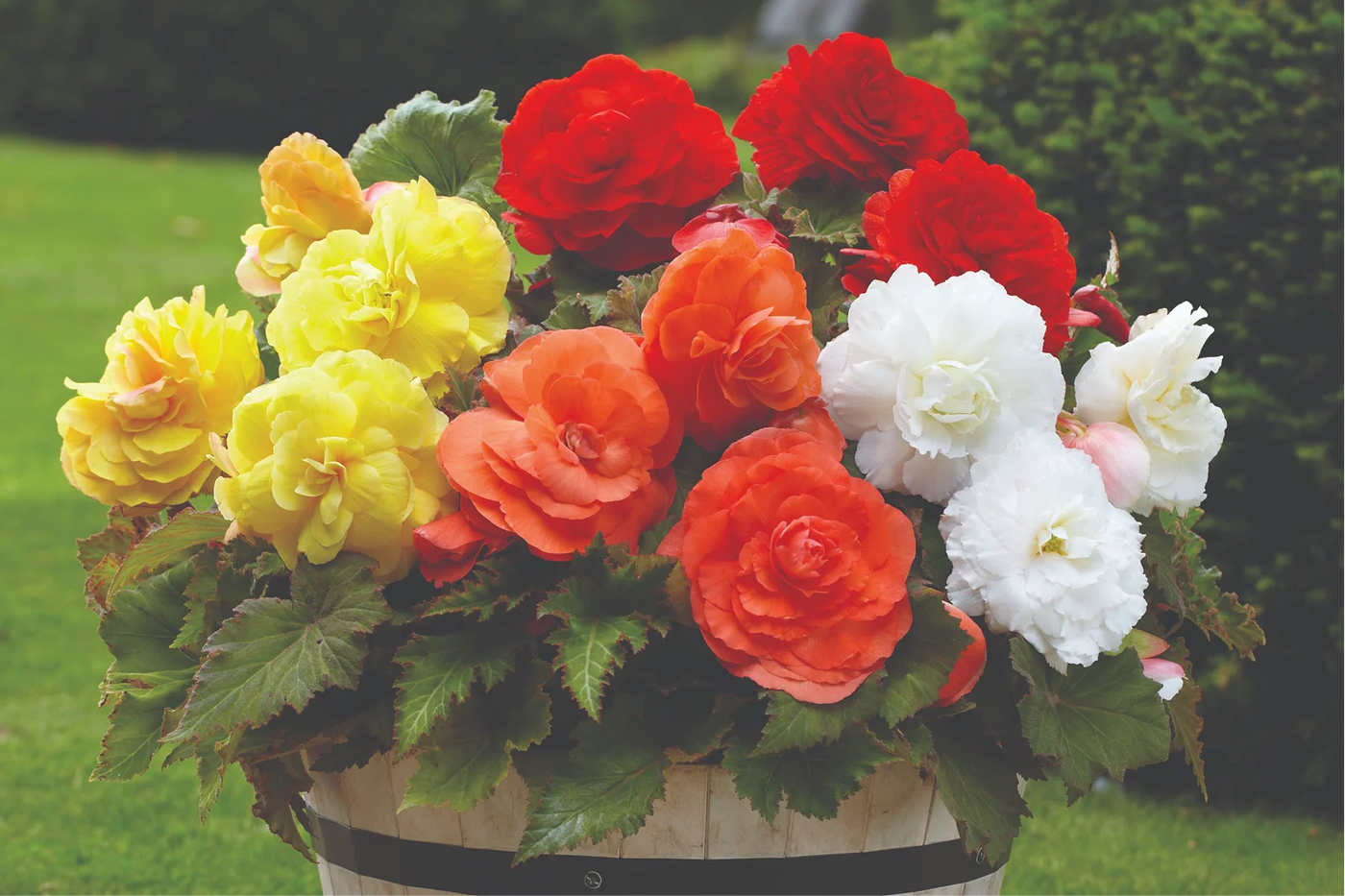
For those who want incredible, show-stopping flowers, tuberous begonias are the way to go. These plants produce massive blooms that can look like roses, camellias, or carnations. While they don't look like butterflies, their size and color intensity are breathtaking. We often recommend these for hanging baskets and containers because they provide a constant display of color from mid-summer until the first frost.
Growing Real Begonias: Success the Simple Way
Growing begonias is a rewarding experience that any gardener can enjoy. Whether you are planting them in a garden bed or a pot on your porch, they are relatively easy to care for if you follow a few basic steps. We focus on providing the best quality tubers to ensure you have a successful growing season.
The Right Light
Most begonias prefer "dappled" or indirect light. Think of the light you find under a leafy tree. Too much direct afternoon sun can scorch their leaves, while too much shade might result in fewer flowers. A spot that gets gentle morning sun and afternoon shade is usually perfect. For more guidance, see where to plant begonias.
Well-Draining Soil
Begonias do not like to have "wet feet." This means they shouldn't sit in soggy soil. Use a high-quality potting mix if you are planting in containers, and make sure the pots have plenty of drainage holes. If you are planting in the ground, adding a bit of compost can help the water move through the soil more easily. Learn more about planting begonias in pots.
Consistent Moisture
The goal with begonias is to keep the soil moist but not wet. A good trick is to stick your finger about an inch into the soil. If it feels dry, it is time to water. If it feels damp, wait a day or two. Watering at the base of the plant rather than over the leaves helps keep the foliage healthy.
Patience and Observation
When you plant begonia tubers, it can take a few weeks for the first sprouts to appear. This wait is part of the fun! Once they get going, they grow quickly. Watching those first leaves unfurl is much more satisfying than looking at a fake photo online.
What to do next:
- Choose a location with filtered light or morning sun.
- Select a container with good drainage.
- Use a light, airy potting soil.
- Water deeply only when the top inch of soil feels dry.
Why We Love Real Plants
There is a unique joy in gardening that digital images simply cannot match. When you grow a real plant, you are part of a living process. You get to see the first green shoot break through the soil, watch the buds swell, and finally enjoy the scent and texture of a real bloom.
Real plants also support our local environment. While a "butterfly begonia" in a photo doesn't do anything for your local ecosystem, real flowering begonias can provide beauty and interest to your living space. The variety of shapes, sizes, and colors available in the real world is almost endless.
At Longfield Gardens, we believe that every gardener deserves to have success. That is why we stand behind the quality of our plants. We want you to feel confident that what you are planting will grow and bloom beautifully. Real gardening might require a little bit of patience and care, but the results are something you can actually touch, smell, and share with your neighbors. You can also review our shipping information when planning an order.
Conclusion
The search for the "Butterfly Begonia" often starts with a fake photo, but it can lead to a lifetime of enjoying real, beautiful plants. While the glowing blue butterfly flowers are a product of AI, the real world offers Begonia aconitifolia, Angel Wings, and stunning Rex begonias that are just as magical in their own way. By choosing real varieties and following simple care steps, you can create a garden that is even more beautiful than a digital edit.
We are here to help you find plants that are true to variety and ready to thrive in your home or garden. Whether you are a beginner or an experienced gardener, we invite you to explore the many wonderful begonias available from Longfield Gardens and other flowers that we offer. Gardening is a journey, and we are happy to be a part of yours.
Final Thought: Nature provides plenty of wonders without the help of digital editing. Start with a real plant, give it what it needs, and enjoy the authentic beauty that grows as a result.
- Verify that "Moonlight Butterfly Begonias" are AI-generated before buying.
- Look for real alternatives like Begonia aconitifolia or Angel Wing varieties.
- Focus on providing the right light and drainage for begonia success.
- Trust reputable sources like Longfield Gardens for quality tubers and plants.
FAQ
Are blue begonias real?
No, there are currently no true blue begonias found in nature or through traditional breeding. Any images showing neon or sapphire blue begonias are digitally altered or AI-generated. Most begonias come in shades of red, pink, white, orange, and yellow.
Can I grow the Butterfly Begonia from seeds I found online?
It is very risky to buy seeds for "Butterfly Begonias" from unknown online sellers, especially if they use the viral AI photos. These seeds are often fake and will not produce the plant shown. It is much safer to buy established plants or tubers from a trusted nursery, such as the Begonia Non Stop Mix bulk offer.
What is the real plant that looks most like a butterfly?
The closest match is the Swallowtail Plant (Christia obcordata). Its triangular, striped leaves look remarkably like butterfly wings. Among begonias, Begonia aconitifolia is the most well-known "Butterfly Begonia" due to its deeply lobed, wing-like leaves.
How do I care for a real Butterfly Begonia (Begonia aconitifolia)?
The real Begonia aconitifolia thrives in bright, indirect light and well-draining soil. Keep the soil consistently moist but never soggy, and provide it with a bit of humidity if possible. It is a cane-type begonia, so it can grow quite tall and may need a stake for support as it matures. For additional advice, see this begonia care guide.


