Table of Contents
- Introduction
- Understanding Dahlia Toxicity
- Why Are Dahlias Irritating to Dogs?
- Common Symptoms of Ingestion
- The Specific Risk of Dahlia Tubers
- Practical Steps If Your Dog Eats a Tuber
- Designing a Pet-Friendly Dahlia Garden
- Training Your Dog in the Garden
- Seasonal Safety: Lifting and Storing Dahlias
- Safe Alternatives for "No-Worry" Zones
- Growing Dahlias Successfully and Safely
- Conclusion
- FAQ
Introduction
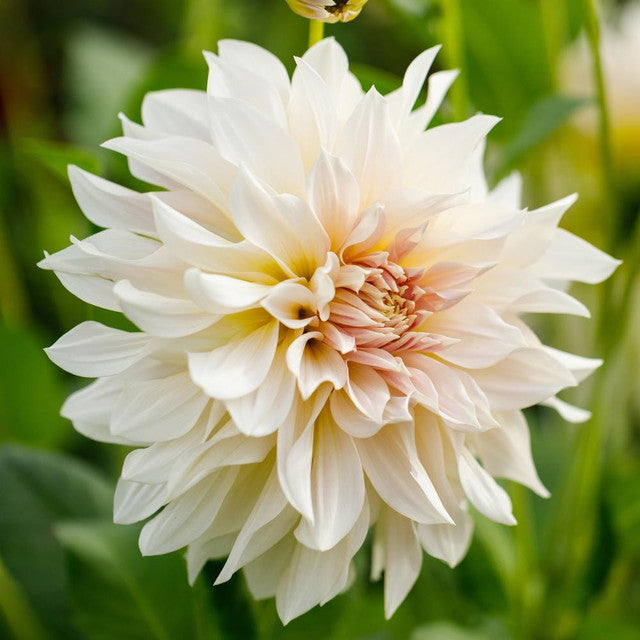
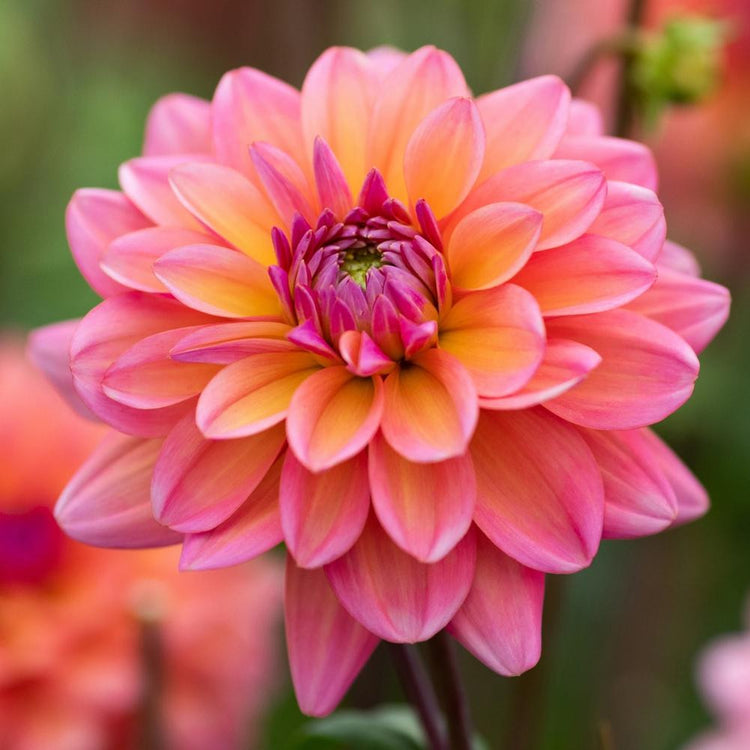
Dahlias are the undisputed stars of the late summer and autumn garden. Their incredible variety of colors, shapes, and sizes makes dinnerplate dahlias a favorite for gardeners who want to keep the landscape vibrant well into the cooling months. At Longfield Gardens, we see how much joy these spectacular blooms bring to home gardeners, from the massive dinnerplate varieties to the petite pompon types.
While we love the beauty they bring to the yard, many pet owners naturally have questions about how these plants interact with their furry friends. If you have a curious dog who loves to explore the flower beds, it is important to understand the relationship between dahlias and canine health. This guide is designed for dog owners who want to enjoy a stunning garden while keeping their pets safe and happy.
We will cover everything from the specific toxicity levels of dahlia tubers to the symptoms of ingestion and practical ways to design a pet-friendly garden. By following a few simple steps, you can successfully grow these beautiful flowers without worry. Most gardening success comes from a little bit of preparation and matching the right plant to the right place.
Understanding Dahlia Toxicity
When it comes to plant safety, it helps to know that the American Society for the Prevention of Cruelty to Animals (ASPCA) classifies the dahlia as mildly toxic to dogs. This means that while they are not considered life-threatening in most cases, they can certainly cause discomfort if a dog decides to take a nibble.
The toxicity is generally considered "mild" because it usually results in temporary gastrointestinal or skin issues rather than long-term organ damage. Unlike certain highly dangerous plants like sago palms or certain lilies for cats, dahlias typically cause self-limiting symptoms. This means the body processes the irritant and the symptoms often clear up on their own within a day or two.
All parts of the dahlia plant are technically toxic to dogs. This includes the leaves, the stems, the flowers, and the tubers themselves. The dahlia tubers, which are the thick, potato-like roots that store the plant's energy, are often the part dogs are most curious about, especially if they are enthusiastic diggers.
Key Takeaway: Dahlias are classified as mildly toxic. While ingestion can cause stomach upset or skin irritation, it is rarely a life-threatening emergency if caught and managed quickly.
Why Are Dahlias Irritating to Dogs?
The exact chemical compound that causes dahlia toxicity is not yet fully identified by researchers. However, many experts believe the irritation is caused by phototoxic polyacetylene substances. These compounds can react when exposed to sunlight and cause irritation to the skin or the lining of the digestive tract.
In humans, some people experience a mild rash after handling dahlia tubers or foliage. Dogs can experience something similar. Because dogs often explore the world with their mouths, the digestive tract is usually the primary area where these irritants make contact.
It is also worth noting that the physical structure of a dahlia tuber can be part of the problem. These tubers are very fibrous and tough. Even if a plant were not toxic, eating large amounts of tough, raw vegetable matter can be difficult for a dog’s stomach to process. This can lead to mechanical irritation of the stomach lining, which mimics the signs of mild poisoning.
Common Symptoms of Ingestion
If your dog spends time in the garden, it is helpful to recognize the signs that they might have tasted something they shouldn't. Symptoms can vary based on the size of the dog and how much of the plant was consumed.
Gastrointestinal Symptoms
The most common reaction to eating dahlia tubers is a localized irritation of the digestive system. You may notice:
- Vomiting: This is the body's natural way of removing the irritant.
- Diarrhea: Loose stools are common as the digestive tract tries to flush the material through.
- Abdominal Pain: Your dog might seem hunched over or uncomfortable when their belly is touched.
- Loss of Appetite: They may skip a meal or two while their stomach settles.
- Hypersalivation: Excessive drooling often happens when a dog feels nauseous or has mouth irritation.
Skin Irritation (Dermatitis)
Dahlias can also cause external issues. If a dog rubs against the foliage or if the sap from a broken tuber gets on their skin, you might see:
- Redness: Patches of skin may look flushed or irritated.
- Itching: The dog may scratch or lick the affected area persistently.
- Small Blisters: In very rare cases, mild blistering can occur on sensitive skin areas like the belly or paws.
- Rash: A bumpy or flat red rash might develop after contact.
The Specific Risk of Dahlia Tubers
While the leaves and flowers are above ground and easy to see, the tubers represent a different kind of risk. Because they are located underground, they are often unearthed during the two most active times for dahlia gardeners: spring planting and lifting in the fall.
Spring Planting
In the spring, we plant dahlia tubers about 4 to 6 inches deep once the soil has warmed up. During this time, the soil is fresh and loose. To a dog, a freshly dug flower bed looks like an invitation to dig. They may smell the tuber or simply enjoy the feeling of the soft earth and accidentally uncover it.
Autumn Lifting
In many regions, dahlia tubers must be lifted and stored indoors for the winter to protect them from freezing. During this process, gardeners often leave piles of tubers on the lawn or in trays to dry. This is a high-risk time because the tubers are easily accessible and may look like a new chew toy to a curious puppy.
Curiosity and Texture
Dogs that enjoy chewing on sticks or roots are more likely to find dahlia tubers interesting. The texture is firm and crunchy, which can be satisfying for a dog that likes to chew. However, the taste is generally not very appealing to most animals. Most dogs will take a single bite, realize it doesn't taste like a treat, and leave the rest alone.
Action Step: Secure Your Tubers
- Keep unplanted tubers in a closed box or on a high shelf where pets cannot reach them.
- Never leave tubers unattended on the ground during the lifting or planting process.
- Dispose of any damaged or "mushy" tuber pieces in a lidded compost bin or trash can.
Practical Steps If Your Dog Eats a Tuber
If you find a half-chewed dahlia tuber and suspect your dog is the culprit, the first step is to stay calm. Most dogs experience only very mild symptoms that resolve quickly.
Assess the Situation
Check how much of the plant was actually eaten. Often, a dog will shred a tuber but not actually swallow much of it. If they have only chewed it into pieces, the risk is much lower.
Monitor for Symptoms
Watch your dog closely for the next 24 hours. Look for the signs of stomach upset mentioned earlier. If they seem energetic and are acting normally, they may have only had a very minor reaction.
Offer Supportive Care
If your dog seems a bit nauseous, you can help them feel better with simple home care.
- Hydration: Ensure they have plenty of fresh water. If they are vomiting, offer small amounts frequently rather than a large bowl all at once.
- Bland Food: If they have a mild stomach ache, a meal of plain boiled chicken and white rice can be easier on the stomach than regular kibble.
- Clean the Skin: If you think they have sap on their fur, a quick bath with mild dog shampoo can prevent skin irritation.
When to Call the Vet
While dahlia poisoning is usually mild, you should contact your veterinarian if:
- Vomiting or diarrhea is severe or lasts more than 24 hours.
- Your dog seems very lethargic or weak.
- They have a known underlying health condition, such as epilepsy or kidney issues, which could make them more sensitive.
- You aren't sure if they ate dahlias or something much more toxic nearby.
Designing a Pet-Friendly Dahlia Garden
You do not have to choose between your dog and your dahlias. With a few smart design choices, you can enjoy both in harmony. The key is to make the plants less accessible to your pet.
Use Raised Beds
Planting dahlias in raised beds is one of the most effective ways to keep dogs away. Most dogs are less likely to jump into a bed that is 12 to 18 inches off the ground. This also makes it easier for you to tend to your plants without bending over as much.
Decorative Fencing
Small decorative fences can act as a psychological barrier for many dogs. Even a low, 12-inch border fence is often enough to tell a well-trained dog that the flower bed is "off-limits." For more persistent diggers, a sturdier wire fence may be necessary during the early spring when the plants are just starting to sprout.
Strategic Placement
Consider where your dog likes to run and play. If your dog has a favorite "path" along the fence line, avoid planting dahlias in that specific spot. Place your dahlias in the center of a large bed or in the "back of the border" where the dog is less likely to wander.
Container Gardening
Dahlias grow beautifully in large pots. By using container-friendly pompon dahlias, you can place your flowers on a patio, a deck, or even on tiered plant stands that are completely out of reach for your dog. This is a great solution for people with small yards or high-energy dogs.
Key Takeaway: You can protect your dahlias and your dog by using physical barriers like raised beds, decorative fencing, or containers. This keeps the curious paws away from the roots.
Training Your Dog in the Garden
Technology and fences are great, but training is one of the best long-term solutions for a peaceful garden. Teaching your dog how to behave around plants is a rewarding experience that pays off every season.
The "Leave It" Command
The "leave it" command is essential for every dog owner. If you see your dog sniffing a dahlia tuber or getting too close to a flower bed, a firm "leave it" redirecting them to a toy can prevent a nibble before it happens.
Designated Digging Spots
If your dog is a natural digger, it is very hard to stop the behavior entirely. Instead, give them a place where it is allowed. A "doggy sandbox" or a specific corner of the yard with loose soil and hidden toys can satisfy their urge to dig, leaving your dahlia beds untouched.
Supervision and Positive Reinforcement
When you are working in the garden, bring your dog along. Use this time to reward them for staying on the grass or the path. Praise them and offer treats when they walk past the flower beds without stopping. We find that dogs who are included in outdoor activities are often more relaxed and less likely to engage in destructive chewing.
Seasonal Safety: Lifting and Storing Dahlias
As mentioned, the transition between seasons is when tubers are most exposed. At Longfield Gardens, we want to ensure your tubers survive the winter and your pets stay safe during the process.
The Drying Phase
After you dig up your tubers in the fall, they usually need to sit in a cool, dry place for a day or two to let the skins toughen up before they are packed away. Do not leave these on the porch or in the garage where a dog might find them. Use a high workbench or a room that is closed off from pets.
Winter Storage Containers
When storing tubers for the winter, use sturdy containers. Plastic bins with lids or wooden crates kept in a basement or crawl space are ideal. Avoid using open cardboard boxes on the floor if your dog has access to the storage area. Not only does this protect your dog from ingestion, but it also protects your tubers from being chewed or damaged, ensuring they are ready to grow again next spring.
Spring Wake-Up
When it’s time to bring the tubers out of storage in the spring, handle them with the same care. Inspect them for any signs of rot or mold away from your pets. Moldy tubers can be even more upsetting to a dog's stomach than healthy ones, so dispose of any "bad" tubers safely in a bin your dog cannot open.
Safe Alternatives for "No-Worry" Zones
If you have a very young puppy or a dog that simply refuses to stay out of the plants, you might want to create a "safe zone" in your yard. There are many beautiful flowers that are completely non-toxic to dogs.
Sunflowers
Sunflowers are spectacular, easy to grow, and safe for dogs. They provide height and drama similar to tall dahlia varieties. While you still don't want your dog eating the whole plant (as too much fiber causes upset), they do not contain the irritants found in dahlias.
Marigolds
Garden marigolds (specifically Calendula) are bright, cheerful, and pet-safe. They are great for borders and can help deter some garden pests naturally.
Snapdragons
Snapdragons offer a lovely vertical element to the garden and come in a wide range of colors. They are non-toxic and very fun for children and pets to be around.
Roses
While roses have thorns that require caution, the plants themselves are non-toxic to dogs. They offer long-lasting color and fragrance that complements any garden style. If you still want a dahlia for a mixed border, decorative dahlias are a dramatic option.
Growing Dahlias Successfully and Safely
Gardening is a journey of learning what works best for your specific environment. When you know how much space your dahlias need to grow, it becomes much easier to match the right plant to the right place. We believe that everyone can have a beautiful garden, regardless of whether they have pets. The key is balance.
When you choose to grow dahlias, you are choosing one of the most rewarding flowers in the plant kingdom. If you want a bold, ready-made display, big-blooming dinnerplate dahlias are a great place to start. By understanding that they are mildly toxic, you aren't being scared away from them; you are simply becoming a more informed and responsible gardener.
Our goal is to help you achieve the best possible results with your flower bulbs and perennials. This means getting the basics right: the right plant in the right place, at the right time. By placing your dahlias in a spot where they can thrive and your dog can play safely, you ensure a successful season for everyone in the family.
What to do next:
- Identify a spot for your dahlias that is either raised or can be easily fenced.
- If you are planting this spring, keep your tubers in a secure container until the moment they go into the ground.
- Practice the "leave it" command with your dog using their favorite treats.
- Plan your garden layout to include plenty of open space for your dog to run away from the flower beds.
Conclusion
Dahlias are a magnificent addition to any home landscape, offering a wealth of color and joy. While it is true that dahlia tubers are mildly toxic to dogs, this should not discourage you from growing them. Most dogs are naturally uninterested in eating these plants, and for those who are a bit more curious, simple solutions like raised beds and basic training work wonders. By being aware of the symptoms and taking a few proactive steps during planting and storage, you can keep your garden beautiful and your four-legged friends safe.
- Dahlias are mildly toxic, primarily causing stomach upset or skin irritation.
- The tubers are the most curious part for dogs, especially during planting and lifting seasons.
- Prevention is the best approach, using barriers like pots, fences, or raised beds.
- Most symptoms are mild and resolve quickly with simple supportive care.
Gardening is a rewarding activity that should bring peace and beauty to your life. With a little bit of planning, your yard can be a sanctuary for both your prize-winning dahlias and your favorite canine companion.
If you have questions about which dahlia varieties are best for containers, ball dahlias are a good place to look. We stand behind the quality of our plants and want to ensure you have everything you need for a flourishing, pet-friendly garden.
FAQ
Are dahlia tubers more toxic than the flowers or leaves?
The entire plant is considered mildly toxic, but the tubers can pose a higher risk simply because they are more substantial. A dog that digs up and chews on a large, fibrous tuber is ingesting a more concentrated amount of plant material than one who nibbles on a single leaf. Additionally, the tubers are more likely to be found by dogs that enjoy digging in fresh soil.
Can a dog die from eating a dahlia tuber?
Death from dahlia ingestion is extremely rare and generally only occurs if there are significant underlying health complications or if a very small dog eats an enormous amount of the plant. In the vast majority of cases, the reaction is limited to a day or two of vomiting or diarrhea. However, if your dog shows severe symptoms like extreme lethargy or difficulty breathing, you should seek veterinary care immediately.
Why does my dog want to eat my dahlia tubers?
Most dogs are not attracted to the scent of dahlias. However, puppies may chew on them out of general curiosity, and adult dogs might dig them up because they enjoy the sensation of digging in soft garden beds. If a dog likes the "crunch" of a root or stick, they might mistake a tuber for a toy. Providing plenty of safe chew toys and a designated digging spot can help redirect this behavior.
Is the soil around dahlia tubers toxic if my dog licks it?
No, the soil itself is not toxic. The irritants are contained within the plant's tissues and sap. However, if you have recently used fertilizers, bone meal, or pesticides in that soil, those additives could be harmful to your pet. It is always a good idea to use pet-safe organic fertilizers and keep your dog away from any area where chemicals have been recently applied.