Table of Contents
- Introduction
- Understanding the Perennial Nature of Dahlias
- Hardiness Zones and Winter Survival
- The Lifecycle: From Sprout to Dormancy
- How to Lift and Store Dahlias for Winter
- Dividing Tubers: Why It Matters for Regrowth
- Replanting for a New Season of Success
- Site Selection: Helping Dahlias Thrive Year After Year
- Encouraging More Blooms All Season
- Troubleshooting: Why a Dahlia Might Not Return
- Realistic Expectations for Your Garden
- A Note on Safety
- Varieties to Look For
- Conclusion
- FAQ
Introduction
There is nothing quite like the first time a dahlia opens in your garden. Whether it is a massive dinnerplate variety with petals the size of a dinner plate or a perfectly symmetrical ball dahlia, these flowers bring a sense of wonder to the late-summer landscape. Many gardeners fall in love with their vibrant colors and intricate shapes, but a common question often follows that first successful season: does a dahlia grow back every year?
The answer is a resounding yes, but how that happens depends entirely on where you live and how you care for the plant. At Longfield Gardens, we want every gardener to feel confident that their investment in beauty can last for years to come. Dahlias are what we call "tender perennials," which means they have the potential to live for many seasons if they are protected from the bite of winter.
In this guide, we will explore the lifecycle of the dahlia and provide clear, simple steps to ensure yours return year after year. Whether you live in a warm southern climate or a chilly northern one, you can enjoy these spectacular blooms season after season. By understanding a few basics about dahlia tubers and winter care, you can turn a one-time planting into a lifelong gardening tradition.
Understanding the Perennial Nature of Dahlias
To understand if a dahlia will grow back, it helps to look at what is happening beneath the soil. While the stems and flowers of a dahlia are soft and sensitive to cold, the plant grows from a cluster of energy-storing roots called tubers. These tubers look a bit like a bunch of sweet potatoes. Their job is to store food and energy during the growing season so the plant can sprout again when warm weather returns.
In their native home of Mexico and Central America, dahlias grow as perennials. They stay in the ground year-round because the soil never freezes. In the United States, we have to mimic those conditions or protect the tubers from the elements. This is why the "perennial" status of a dahlia is often described as "tender." They want to grow back, but they need a little help to survive the winter in most of the country.
Most gardening success comes down to matching the plant’s needs to your local environment. This is often referred to as "right plant, right place." For dahlias, the "right place" changes once the first frost hits. Depending on your USDA hardiness zone, your dahlias will either stay in the garden bed or move into a box in your cellar for a few months of rest.
Key Takeaway Dahlias are naturally perennials that grow from underground tubers. They will return every year as long as the tubers are protected from freezing temperatures and excessive moisture.
Hardiness Zones and Winter Survival
The most important factor in determining if your dahlias will grow back without intervention is your USDA hardiness zone. These zones are simply a way to measure how cold your winters typically get. You can find your zone by looking at a USDA hardiness zone map.
Zones 8 to 11: The Natural Return
If you live in Zone 8 or warmer (where winter temperatures rarely drop below 10°F to 15°F), your dahlias can often stay in the ground all year. In these regions, the soil stays warm enough that the tubers do not freeze. You may see the stems turn brown and die back after a light frost, but the "engine" of the plant stays alive underground.
To help them return successfully in these zones, we recommend cutting the dead stems back to about 3 or 4 inches above the ground and covering the area with a thick layer of mulch. Wood chips, straw, or evergreen boughs work well to keep the soil temperature stable.
Zones 3 to 7: The Annual Lift
In most of the United States (Zones 3 through 7), the ground freezes deep enough to reach dahlia tubers. If left unprotected, the water inside the tubers will freeze, causing the cells to burst. When the ground thaws in the spring, the tubers will have turned into a soft, mushy mess that cannot grow.
In these colder zones, gardeners treat dahlias as "annuals" if they leave them in the ground, but they can keep them as "perennials" by overwintering them indoors. Lifting is the process of digging the tubers up in the fall and storing them indoors where it is cool but not freezing. While this sounds like extra work, it is a rewarding part of the garden cycle that allows you to save your favorite varieties.
The Lifecycle: From Sprout to Dormancy
Knowing the rhythm of the dahlia helps you time your care perfectly. When you plant a dahlia tuber in the spring, it uses its stored energy to send up a sprout. Once the leaves are above ground, the plant begins to photosynthesize, creating new energy.
Throughout the summer, the dahlia does two things: it produces spectacular flowers and it builds up its tuber clump. That single tuber you planted in May will often grow into a heavy cluster of five to ten tubers by October. This is the magic of dahlias; not only do they grow back, but they also multiply.
As the days get shorter and the nights get cooler in the fall, the plant begins to shift its energy back down into the tubers. This is a preparation phase for dormancy. Dormancy is a deep sleep that allows the plant to survive without sunlight or water for several months. For the dahlia to grow back successfully the following year, it must go through this dormant period properly.
How to Lift and Store Dahlias for Winter
If you live in a cold climate, lifting your dahlias is the secret to making them grow back every year. The process is straightforward and does not require special equipment.
Wait for the First Frost
The best time to start is after the first hard frost. You will know it has happened when the lush green foliage of your dahlias turns black or dark brown overnight. Do not worry—this does not mean the plant is dead. The frost has simply signaled to the tubers that it is time to sleep. We suggest waiting about a week after this frost before digging. This short wait allows the tubers to "cure" slightly in the soil, which toughens their skin for storage.
Digging the Tubers
Start by cutting the blackened stems down to about 4 to 6 inches. Use a garden fork rather than a shovel if possible. Shovels have sharp edges that can easily slice through the tubers. Dig a wide circle around the plant—at least 12 inches away from the main stem—to avoid hitting the clump. Gently pry the clump upward from several sides until it pops loose from the soil.
Cleaning and Drying
Shake off the excess soil. You can use a garden hose to gently wash the tubers, but be careful not to damage the "necks"—the thin part where the tuber connects to the main stem. Once they are clean, let them dry in a protected area (like a garage or a porch) for one to two days. They should be dry to the touch but not shriveled.
Storage Conditions
Place the tubers in a breathable container. Cardboard boxes, plastic bins with holes, or even paper bags work well. Fill the container with a medium that holds just a tiny bit of moisture but allows for airflow. Common choices include:
- Peat moss
- Vermiculite
- Wood shavings (like pet bedding)
- Coarse sand
Store the container in a dark, cool place that stays between 40°F and 50°F. An unheated basement, a root cellar, or a crawl space is usually ideal.
What to do next:
- Mark your calendar for your area's average first frost date.
- Buy a few bags of peat moss or wood shavings in late summer.
- Check your storage area with a thermometer to ensure it stays above freezing.
- Tag each clump with its variety name so you remember what is what in the spring.
Dividing Tubers: Why It Matters for Regrowth
One of the reasons dahlias are so rewarding is that they give you more plants for free. If you leave a dahlia clump to grow for many years without ever dividing the tubers, the clump can become massive. While this sounds good, a very large clump can lead to overcrowded stems that don't get enough airflow. This can make the plant more likely to catch diseases like powdery mildew.
Dividing the tubers every one or two years keeps the plants healthy and vigorous. To divide, you need to ensure each piece you cut away has an "eye." The eye is a small bump located on the crown (the area where the tuber meets the old stem). This eye is where the new sprout will emerge in the spring.
If you are a beginner, it is often easiest to divide your tubers in the spring rather than the fall. In the spring, the eyes begin to swell and turn pink or white, making them much easier to see. You can simply use a clean, sharp knife to cut the clump into individual tubers, making sure each one has a piece of the crown and at least one visible eye.
Replanting for a New Season of Success
When spring arrives, it is time to wake up your dahlias. This is the most exciting part of the cycle, but timing is everything. Because dahlias are sensitive to cold, planting too early into cold, wet soil can cause the tubers to rot.
Check the Soil Temperature
We recommend waiting until the soil has warmed to about 60°F. A good rule of thumb is to plant your dahlias at the same time you would plant tomatoes or peppers. In most parts of the country, this is about mid-May to early June.
Proper Planting Depth
Dig a hole about 4 to 6 inches deep. Place the tuber horizontally in the hole with the eye pointing upward (if you can see it). If you are planting a tall variety, such as a decorative or dinnerplate dahlia, this is the perfect time to put a stake in the ground. Placing the stake now prevents you from accidentally driving it through the tuber later in the season.
The "No Water" Rule
Here is a tip that helps many gardeners: do not water your dahlias immediately after planting unless the soil is bone-dry. The tuber has enough stored moisture to get started. Watering too much before the sprout emerges can lead to rot. Once you see the green shoots poking through the soil, you can begin a regular watering schedule.
Key Takeaway Success with dahlias comes from patience. Waiting for warm soil and avoiding overwatering at the start ensures the tuber wakes up healthy and ready to grow.
Site Selection: Helping Dahlias Thrive Year After Year
Whether your dahlias stay in the ground or are replanted every spring, the spot you choose is vital for their long-term health. A dahlia that struggles during the summer will produce small, weak tubers that may not survive the winter.
Sunlight is Non-Negotiable
Dahlias are sun-lovers. To build up enough energy to grow back next year, they need at least 6 to 8 hours of direct sunlight every day. Sunlight is the fuel that the plant uses to create the sugars stored in the tubers. If a dahlia is grown in the shade, it will be tall and spindly, and the tubers will be thin and prone to shriveling in storage.
If you want more detail, read our guide to growing better dahlias.
Drainage: The Secret to Tuber Health
"Drainage" refers to how fast water leaves the soil. Dahlias hate "wet feet." If the soil stays soggy for long periods, the tubers will rot. If you have heavy clay soil, consider planting your dahlias in raised beds or adding organic matter like compost to improve the soil structure.
Space to Breathe
Give your dahlias room to grow. Small border varieties can be planted about 12 to 18 inches apart, but larger varieties need at least 2 feet of space. Good airflow around the plants keeps the leaves dry and prevents many common garden issues.
Encouraging More Blooms All Season
If you want your dahlias to be as productive as possible, a little maintenance goes a long way. The more flowers a dahlia produces, the more it is stimulated to stay active and healthy.
Pinching Back
When your dahlia is about 12 inches tall, pinch back the very top of the center stem. This sounds scary, but it actually encourages the plant to grow two new stems from the base. This results in a bushier, stronger plant with many more flowers.
Deadheading
"Deadheading" is simply the act of cutting off faded flowers. If you leave the old flowers on the plant, the dahlia will start to produce seeds. Creating seeds takes a lot of energy away from the tubers. By removing the old blooms, you tell the plant to keep making more flowers and to keep storing energy underground.
Troubleshooting: Why a Dahlia Might Not Return
Sometimes, despite our best efforts, a dahlia fails to grow back. Usually, the cause is one of three simple things.
- Too Much Moisture: This is the most common cause of failure. If the soil is too wet in the winter (for those in warm zones) or if the storage medium is too damp (for those in cold zones), the tubers will rot. Rot feels soft and mushy and often has a sour smell.
- Freezing: If the tubers are not deep enough in the ground in Zone 8, or if the storage area drops below freezing, the plant will not survive. Always ensure your storage spot is truly frost-free.
- Shriveling: This happens when tubers get too dry during winter storage. If the tubers look like raisins—shrunken and hard—they have lost too much moisture. You can prevent this by checking your stored tubers once a month and lightly misting the packing material with water if it feels bone-dry.
Realistic Expectations for Your Garden
Gardening is a partnership with nature, and weather always plays a role. Some years, a late spring frost might nip your early sprouts, or a very wet autumn might make storage more challenging. It is normal to lose a tuber occasionally.
However, we find that most home gardeners have great success with dahlias when they focus on the basics. You don't need a degree in botany to keep dahlias alive. You just need to keep them dry, cool, and frost-free during their winter nap. With each passing year, you will get better at recognizing the needs of your plants.
A Note on Safety
While dahlias are a joy in the garden, it is important to remember that they are for looking, not eating. Dahlia tubers and foliage are mildly toxic to pets, including dogs and cats, and can cause skin irritation or upset stomachs if ingested. If you have curious pets or small children, it is a good idea to plant your dahlias in a spot where they won't be easily nibbled, and keep stored tubers out of reach in the winter.
Varieties to Look For
At Longfield Gardens, we offer a wide range of dahlias that are proven to perform well in home gardens. If you are looking for dahlias that are easy to manage and produce high-quality tubers for saving, consider these types:
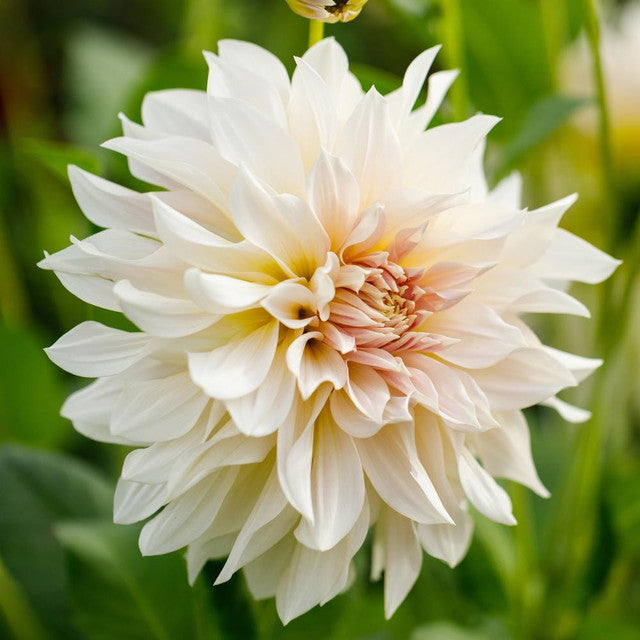
- Dinnerplate Dahlias: Varieties like 'Cafe au Lait' are famous for their massive, creamy blooms.
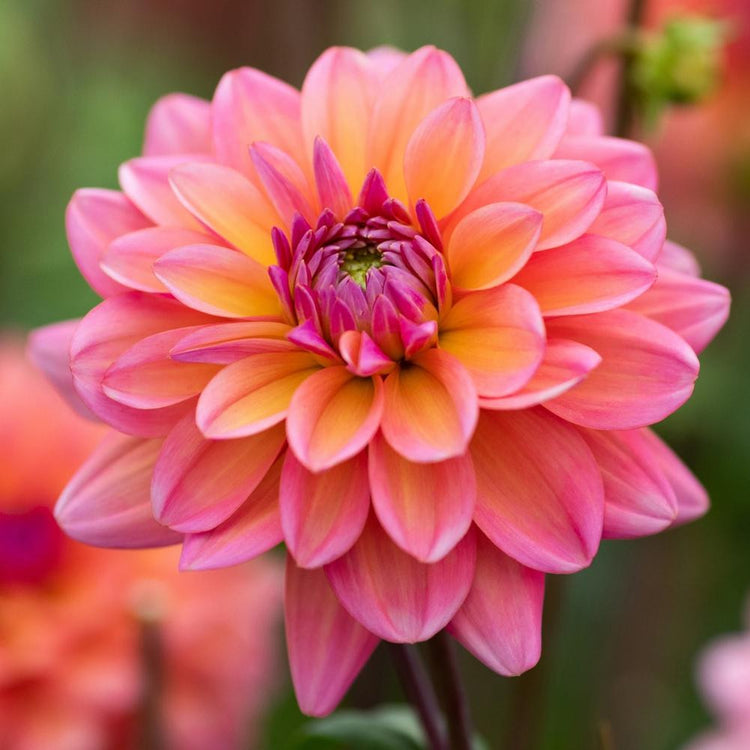
- Decorative Dahlias: These have a classic "flower" shape and come in every color imaginable.
- Ball and PomPon Dahlias: These produce perfectly round, hardy blooms that are excellent for cutting and often produce very sturdy tubers.
Conclusion
Dahlias are one of the most rewarding flowers you can grow. The answer to "does a dahlia grow back every year" is a hopeful yes—they are built to survive and multiply. By matching your care to your local climate, you can enjoy these spectacular blooms for many seasons. Whether you are mulching them in a warm climate or lifting and storing them in a cold one, the effort is small compared to the massive payoff of summer color.
- Dahlias are tender perennials that grow from energy-storing tubers.
- In Zones 8-11, they can stay in the ground with a layer of mulch.
- In Zones 3-7, tubers must be lifted and stored in a frost-free place for the winter.
- Successful regrowth depends on sun, good drainage, and protection from freezing.
"A dahlia is a gift that keeps on giving. With a little winter care, one tuber can become a whole garden of color in just a few short years."
We encourage you to start your dahlia journey today. Visit us at Longfield Gardens to find the perfect varieties for your yard and begin building a collection that will grow back and bring you joy year after year.
FAQ
Can I leave dahlias in the ground if I live in a cold climate?
In USDA Zones 7 and below, leaving dahlias in the ground is very risky because the soil freezes deep enough to kill the tubers. While a very mild winter or a very sheltered spot near a house foundation might allow them to survive, the most reliable way to ensure they grow back is to dig them up and store them indoors.
How do I know if my stored dahlia tubers are still alive?
Healthy tubers should feel firm to the touch, similar to a fresh potato. If you see small pink or white "eyes" starting to sprout in the spring, that is a sure sign of life. If the tuber is mushy, smells bad, or is so dry it snaps like a twig, it is likely no longer viable and should be composted.
Should I water my dahlias during the winter?
If your dahlias are staying in the ground in a warm zone, the natural winter rain is usually enough; do not add extra water, as this can cause rot. If your tubers are in storage, you do not "water" them, but you should check the packing material monthly. If the peat moss or shavings feel completely dry, give them a very light misting of water to keep the tubers from shriveling.
Is it better to buy new dahlias every year or save the old ones?
Both are great options! Saving your tubers allows you to grow your favorite varieties larger and divide them to get more plants for free. However, buying new dahlias from us each year is a fun way to try new colors and shapes without the work of winter storage. Many gardeners do a mix of both.