Table of Contents
- Introduction
- The Standard Dahlia Growth Timeline
- Why Variety Affects Bloom Timing
- Environmental Factors That Influence Growth Speed
- How to Get Dahlias to Bloom Earlier
- Managing Your Blooms Throughout the Season
- Troubleshooting a Slow Start
- Conclusion
- FAQ
Introduction
There is nothing quite like the anticipation of watching a garden come to life, especially when you have tucked dahlia tubers into the soil with dreams of dinnerplate-sized blooms. These spectacular dahlias are the crown jewels of the late-summer garden, offering a variety of colors and shapes that few other plants can match. At Longfield Gardens, we know that the most common question for any new dahlia grower is simply: "When will I finally see a flower?"
It is completely natural to peek out at the garden every morning, looking for that first sign of green growth or the hint of a budding bloom. While gardening always requires a bit of patience, understanding the natural rhythm of a dahlia’s life cycle makes the wait much more rewarding. For a quick planting refresher, see How to Plant and Grow Dahlia Tubers. This guide will walk you through the typical timeline from planting to flowering, explain why some varieties take longer than others, and share simple techniques to help your plants reach their full potential.
By matching your expectations to the unique needs of these sun-loving plants, you can plan a garden that stays vibrant from midsummer all the way through the first frost of autumn. Knowing exactly how long it takes for dahlias to bloom from bulb helps you time your planting perfectly for a season full of color.
The Standard Dahlia Growth Timeline
When you plant a dahlia tuber—which many gardeners refer to as a "bulb"—you are essentially planting a storage unit full of energy. For more on the structure of the plant, see Dahlia Tubers: What You Need to Know. The plant uses this energy to establish a root system before it ever sends a sprout toward the sun. On average, most dahlias take between 90 and 100 days to go from a dormant tuber in the ground to a fully open flower.
This 90-to-100-day window is a helpful benchmark, but it is not a rigid rule. The process is a journey through three distinct phases: sprouting, vegetative growth, and bud development. Understanding what is happening underground during those first few weeks can help ease the "wait-and-see" anxiety that often accompanies spring planting.
The Waiting Game: From Planting to Sprouting
The first stage is often the most testing for a gardener’s patience. Once you place the tuber in the soil, it usually takes between 2 and 4 weeks for green shoots to break through the surface. During this time, the tuber is busy waking up from dormancy. It is sensing the temperature of the soil and beginning to push out fine white feeder roots.
If the soil is cool or the weather remains cloudy, this stage can take a little longer—sometimes up to 6 or 8 weeks. It is important to remember that as long as the tuber is firm and the soil is not overly saturated, the plant is likely doing exactly what it needs to do. Once the "eyes" on the tuber crown begin to grow, you will see a small, often reddish or green nub emerge, which quickly transforms into a leafy stem.
The Vegetative Phase: Building the Plant
Once the sprout is visible, the dahlia enters a period of rapid vegetative growth. This phase typically lasts for 4 to 6 weeks. During this time, the plant is focused on building its "solar panels"—the leaves and stems that will eventually support the heavy flowers.
Healthy dahlias are vigorous growers. You might notice your plant gaining several inches of height every week once the weather warms up. This is the stage where the plant establishes its structure. If you are growing taller varieties, this is also when the plant begins to require physical support to protect its hollow stems from wind or heavy rain.
The Grand Finale: From Buds to Blooms
The final phase is the transition from foliage to flowers. Roughly 8 weeks after the first sprout appears, you will begin to see small, tight green buds at the ends of the stems. From the moment a bud is visible to the moment the petals fully unfurl, you can usually expect another 2 to 4 weeks.
Large-flowered varieties, such as the famous dinnerplate types, take longer to develop their massive blooms than smaller ball or pompon varieties. However, once that first flower opens, the plant has officially shifted into its reproductive cycle, and it will continue to produce new buds as long as the conditions remain favorable.
Key Takeaway: Most dahlias require approximately 90 to 100 days from planting to reach full bloom. This includes 2–4 weeks for sprouting, 4–6 weeks of leafy growth, and 2–4 weeks for buds to open.
Why Variety Affects Bloom Timing
Not all dahlias are on the same internal clock. One of the most important factors in answering "how long for dahlias to bloom" is the specific variety you have chosen to grow. Just as some tomatoes are "early season" and others take all summer to ripen, dahlias have their own schedules based on their bloom size and plant habit.
Compact and Border Dahlias
If you are looking for the fastest results, smaller varieties are usually the winners. Border decorative dahlias and many "low-growing" types are often the first to flower in the garden. These plants don't have to put as much energy into building a tall, 5-foot frame, so they can shift into flowering mode much sooner.
Varieties like Wizard of Oz are known for being relatively quick to wake up and produce flowers. Some of these smaller or mid-sized varieties can begin blooming in as little as 75 to 80 days if the conditions are ideal. Because they produce smaller individual flowers, they can "recharge" and create new buds more rapidly than their giant cousins.
Dinnerplate and Decorative Dahlias
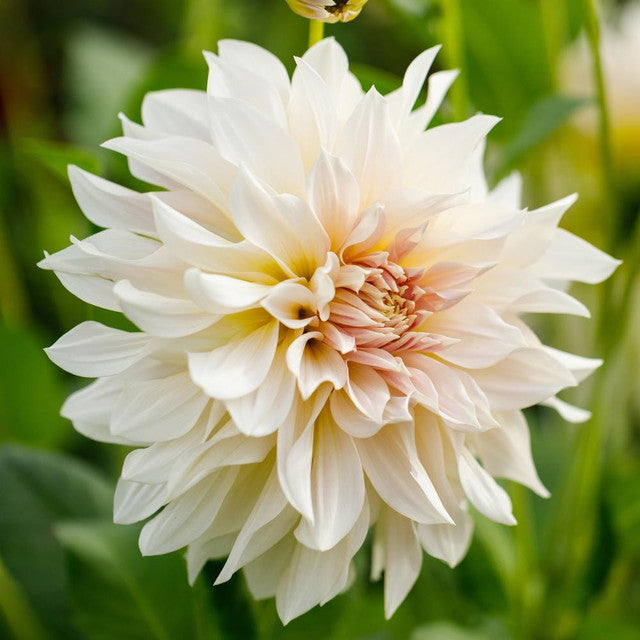
On the other end of the spectrum are the giant decorative and dinnerplate dahlias. These varieties, such as the stunning Cafe Au Lait, are famous for blooms that can reach 8 to 10 inches in diameter. Because the plant must build a massive, sturdy structure to support these heavy heads, they take more time to mature.
Another giant, Kelvin Floodlight, is also a marathon runner in the dahlia world. It is common to wait closer to 120 days for the first flowers. They start a bit slower but provide a breathtaking finish that lasts until the first frost. If you plant these alongside earlier varieties, you can enjoy a staggered season of color that keeps the garden looking fresh for months.
What to Do Next: Variety Planning
- Check the "days to bloom" or "bloom size" on your plant labels.
- Plant a mix of small ball dahlias and large Dahlia Dinnerplate Cloud Nine Collection varieties for continuous color.
- Group faster-blooming varieties together for an early-season focal point.
- Be patient with giant varieties; their late-summer show is worth the extra wait.
Environmental Factors That Influence Growth Speed
While genetics play a big role, the environment is the primary driver of how fast a dahlia grows. Dahlias are native to the high plains of Mexico and Central America, which means they are evolutionarily programmed to thrive in specific conditions. If your dahlias seem to be taking their time, it usually comes down to one of three things: heat, light, or water.
Soil Temperature: The 60-Degree Rule
Dahlias are not fans of cold feet. One of the most common reasons for a delay in sprouting is planting too early into cold, damp soil. A dahlia tuber will often sit dormant until the soil temperature consistently reaches about 60°F.
If you plant in early spring when the ground is still chilly, the tuber isn't "growing"—it’s just waiting. This can actually lead to a slower start than if you had waited a few weeks for the sun to warm the earth. For more on planting depth and timing, see How Deep Should Dahlia Bulbs Be Planted.
Using a simple soil thermometer can help you find the perfect window for planting, ensuring your tubers hit the ground running.
Sunlight: Powering the Bloom Engine
Sunlight is the fuel that dahlias use to create flowers. For the fastest growth and the most abundant blooms, dahlias need full sun, which means at least 6 to 8 hours of direct light every day.
If a dahlia is planted in a spot that is too shady, it will spend all its energy stretching toward the light. This results in "leggy" plants with thin stems and very few flowers. In a sunny spot, the plant can photosynthesize efficiently, allowing it to build the strength needed to push out buds on schedule. If you notice your plants are tall and floppy but have no buds, they may be asking for more sun.
Moisture Management: Finding the Balance
Watering correctly is a bit of an art form when it comes to dahlia timing. During the first phase—between planting and sprouting—dahlias actually need very little water. In fact, if the soil is kept too wet before the sprout emerges, the tuber can rot before it ever gets started.
Once the plant has several sets of leaves and is growing actively, its water needs increase significantly. Dahlias have a high water content in their stems and leaves, and they need consistent moisture to stay hydrated and keep developing buds. However, the rule "deep, then let it dry a bit" is the best approach. Ensuring your soil has good drainage—meaning the water leaves the soil quickly rather than sitting in puddles—is the best way to keep the growth on track.
Key Takeaway: Soil temperature and sunlight are the primary external factors that dictate bloom time. Planting in 60°F soil and providing 6–8 hours of sun will ensure the fastest possible growth.
How to Get Dahlias to Bloom Earlier
If you live in a region with a short growing season, or if you simply can’t wait for those first blooms, there are a few simple ways to "cheat" the clock. You can jump-start the 90-day cycle by starting your tubers indoors.
Waking Up Tubers Indoors
You can give your dahlias a 4-to-6-week head start by "potting them up" indoors before the last frost date. This process is often called "pre-sprouting." To do this, place your tubers in containers with lightly moistened potting soil about a month before you plan to move them outside.
Keep the pots in a warm spot, such as near a sunny window or on a gentle heat mat. This warmth signals to the tuber that it is time to wake up. By the time the weather is warm enough to plant outdoors, you will already have a plant with a developed root system and several inches of green growth. This can move your first bloom date from August up into July.
Using Heat and Light to Your Advantage
If you are starting tubers indoors, light is crucial. Without enough light, the early sprouts will become weak and pale. If you don't have a very bright south-facing window, a simple LED grow light can provide the "sunshine" they need to stay stocky and strong.
When it comes time to move these head-start plants outside, remember to "harden them off." This means giving them a few hours of outdoor air and sun each day for a week to get them used to the change in environment. This transition prevents "transplant shock," which can otherwise stall growth for a week or two.
What to Do Next: Getting an Early Start
- Identify your local last frost date using a gardening calendar.
- Pot up your favorite varieties 4–6 weeks before that date.
- Use a heat mat or warm room to encourage early "eyes" to sprout.
- Gradually introduce indoor plants to the outdoors once the soil is 60°F.
Managing Your Blooms Throughout the Season
Once your dahlias have finally started to bloom, the focus shifts from "when will they flower" to "how do I keep them flowering." The way you care for the plant during its first few weeks of blooming determines how productive it will be for the rest of the year.
The Pinching Trade-off
Many experienced growers recommend "pinching" their dahlias when the plants are about 12 to 18 inches tall. Pinching involves snipping off the very top of the central stem. For a step-by-step look at the technique, see How to Pinch and Stake Dahlias. While this may feel counterintuitive—and it actually delays the very first bloom by about a week or two—it is one of the best ways to get more flowers overall.
Pinching signals the plant to stop growing one single tall stem and instead send out multiple side branches. Each of those branches will eventually produce its own flowers. The result is a bushier, stronger plant with a much higher volume of blooms. If you want a garden filled with flowers rather than just one or two early ones, pinching is a simple win.
The Importance of Deadheading
Dahlias are incredibly productive, but they have one main goal: to create seeds. Once a flower starts to fade and turn to seed, the plant receives a biological signal that its job is done, and it may stop producing new buds.
To keep the "bloom engine" running, you should practice "deadheading." This simply means cutting off spent flowers as soon as they begin to wilt. At us, we recommend cutting the stem back to a point where you see a new set of leaves or a new bud forming. This keeps the plant looking tidy and encourages it to keep pushing out fresh color until the frost finally arrives. For bouquet-specific advice, see How to Grow Dahlias for Cut Flowers.
Supporting Tall Plants
As your dahlias grow and start producing heavy flowers, they can become top-heavy. This is especially true for the large decorative varieties. If a heavy rain or wind hits a tall dahlia without support, the hollow stems can snap.
Providing support, such as a sturdy stake or a tomato cage, ensures that the plant doesn't waste energy trying to recover from broken limbs. A supported plant can focus all its resources on what matters most: producing more of those beautiful blooms you’ve been waiting for.
Key Takeaway: Pinching your dahlias early in the season results in a bushier plant with more flowers, while deadheading spent blooms ensures the plant continues to flower until the first frost.
Troubleshooting a Slow Start
If you have hit the 100-day mark and still don't see any buds, don't worry—most of the time, the fix is simple. Gardening involves many variables, from shifting weather patterns to the specific nutrients in your soil.
First, check your light levels. If a nearby tree has filled out with leaves and is now shading your dahlia bed, the plant may simply be lacking the energy to flower. Second, consider your fertilizer. If you are using a fertilizer very high in nitrogen, the plant may be putting all its energy into lush green leaves while "forgetting" to make flowers. Switching to a balanced fertilizer or one with a higher phosphorus content (the middle number on the bag) can help nudge the plant toward blooming.
Lastly, check your watering habits. If the summer has been exceptionally hot and dry, the plant may be in "survival mode." In these conditions, a dahlia will often drop its buds to conserve moisture. Increasing your deep watering sessions can help the plant feel secure enough to start flowering again.
Conclusion
Waiting for dahlias to bloom is an exercise in excitement and anticipation. While the typical timeline is about 90 to 100 days, the joy of seeing that first petal unfurl makes every day of waiting worthwhile. By selecting a mix of early-blooming border varieties and late-season dinnerplate giants, you can enjoy a shifting tapestry of color that evolves throughout the summer.
At Longfield Gardens, we believe that gardening is most rewarding when it is accessible and achievable. By getting the basics right—warm soil, plenty of sun, and consistent care—you set the stage for a spectacular floral show. Remember to be patient with your plants, keep them hydrated, and don't forget to cut plenty of flowers to bring indoors!
- Aim for the 90-100 day window for most varieties.
- Wait for warm soil (60°F) before planting to avoid delays or rot.
- Pinch and deadhead to maximize the number of blooms you receive.
- Enjoy the process, and don't be afraid to try "pre-sprouting" for an earlier start next year.
"The secret to a long dahlia season is a combination of the right planting time and the right variety choice. Once they start blooming, these generous plants will keep giving until the very end of the season."
For the best results, start with high-quality tubers and give them the sunny spot they crave. Before you know it, your garden will be the neighborhood’s favorite destination for summer color.
FAQ
How can I tell if my dahlia tuber is actually growing underground?
If it has been a few weeks and you don't see a sprout, you can carefully brush away a bit of soil from the top of the tuber crown. Look for small, firm nubs (called "eyes") beginning to swell or turn green. If you see these, the plant is healthy and will break through the surface shortly.
Will my dahlias bloom faster if I water them more often?
No, overwatering before the plant has sprouted can actually cause the tuber to rot. Dahlias don't have a root system to absorb water until they start growing. Once the plant is about a foot tall and growing leaves, consistent moisture will help it develop buds, but more water won't "force" it to bloom sooner.
My dahlia has lots of leaves but no flowers; what is wrong?
This is often caused by either too much shade or too much nitrogen in the soil. Nitrogen encourages green foliage, while phosphorus encourages blooms. Ensure your plant is getting at least 6-8 hours of direct sun and consider using a bloom-boosting fertilizer if you have very lush but flowerless plants.
Do dahlias bloom every year?
In warm climates (USDA zones 8-11), dahlias are perennials and can stay in the ground to bloom each year. For zone-by-zone help, check the Hardiness Zone Map. In colder climates, the tubers must be dug up and stored in a cool, frost-free place over winter. If you store them correctly and replant them in the spring, they will come back to bloom again. For a step-by-step refresher, see How Do You Dig Up and Store Dahlia Bulbs.