

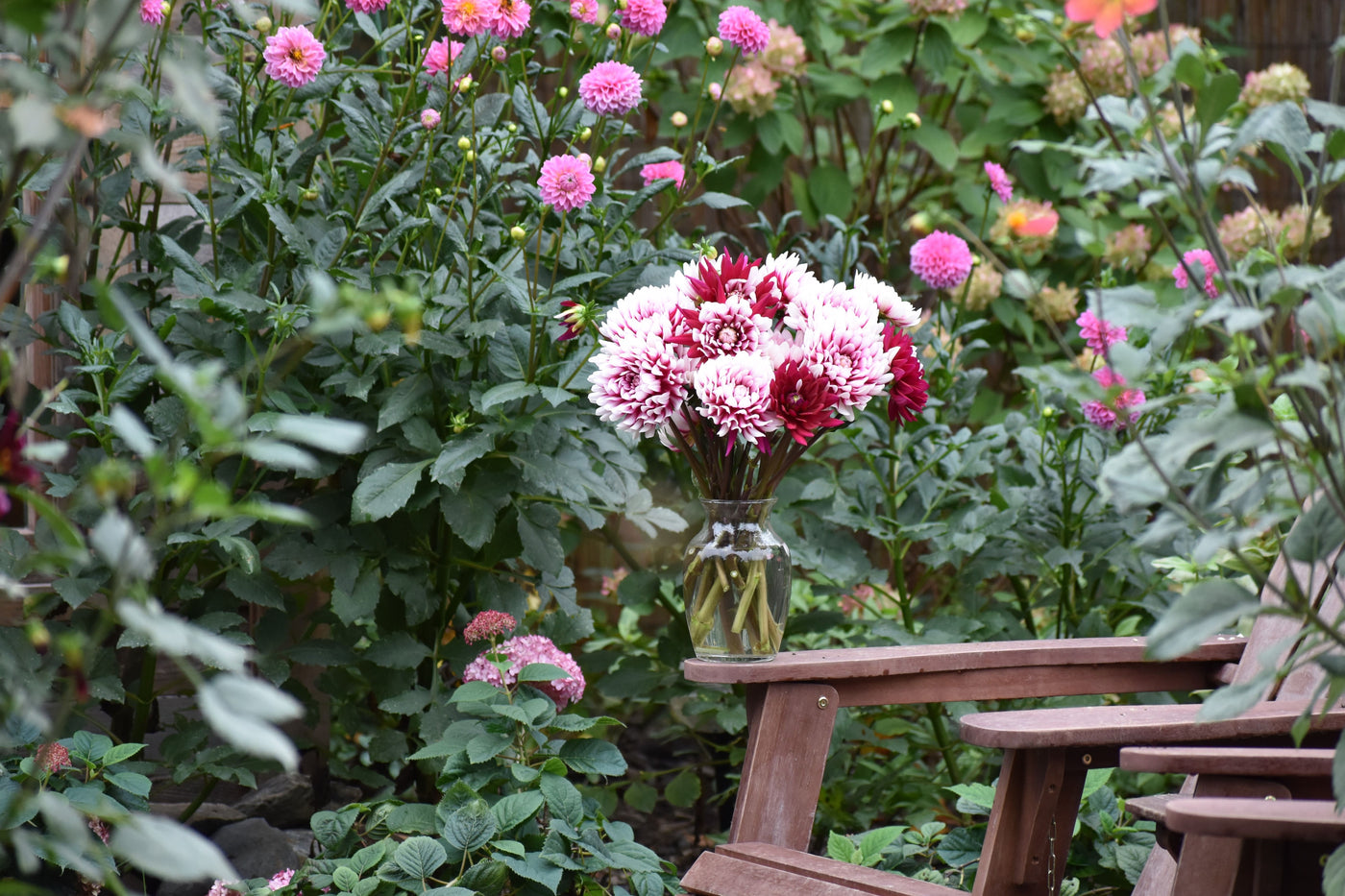
Introduction
Walking into a garden filled with blooming dahlias is one of the greatest joys a gardener can experience. These spectacular plants offer an incredible variety of colors, shapes, and sizes, making them a favorite for both backyard beds and professional floral arrangements. While many people start their journey with tubers, learning how to grow dahlia from flower seeds is a rewarding way to expand your collection and discover unique new varieties.
At Longfield Gardens, we love helping home gardeners find success with these resilient and beautiful plants. Growing dahlias from seed—which are harvested directly from the dried flower heads—is an accessible project for gardeners of all skill levels. It allows you to fill large spaces with color without a significant investment, and the results are often a delightful surprise. For inspiration on flower forms and growing techniques, explore this guide to growing Café au Lait dahlias.
This guide will walk you through the process of harvesting seeds, starting them indoors, and caring for your plants as they grow. Whether you are a beginner or an experienced grower, you will find that raising these flowers from the ground up is a fulfilling way to spend the gardening season. By following a few simple steps, you can enjoy a garden overflowing with custom blooms from midsummer through the first frost.
Understanding the "Dahlia from Flower" Method
When people talk about growing dahlias from a flower, they are usually referring to one of two methods: growing from seeds found in the spent flower heads or taking cuttings from the stems. Most home gardeners find the seed method to be the most exciting and straightforward way to increase their flower count.
It is important to know that dahlias grown from seed are not clones of their parents. Because dahlias have a complex genetic makeup, every seed produces a brand-new variety. If you harvest seeds from a tall, red dahlia, the resulting plants might be pink, orange, or even a different shape entirely. This element of surprise is exactly what makes the process so much fun.
If you want a flower that looks exactly like a specific variety, such as a "Cafe au Lait" or a "Dinnerplate" type, you would typically plant a tuber. However, if you enjoy the mystery of seeing what nature creates, starting with the flower’s seeds is the perfect path. These seed-grown plants will still produce tubers underground by the end of the first season, which you can then save and replant in future years to get that exact same flower again.
Key Takeaway: Growing dahlias from seeds is a way to create unique, one-of-a-kind flowers that belong entirely to your garden.


How to Harvest Seeds from a Dahlia Flower
The process of growing a dahlia from a flower begins at the end of the blooming cycle. To get viable seeds, you must let the flower finish its display and begin to fade. Instead of deadheading (removing the old flowers) immediately, leave a few of your favorites on the plant to mature.
Identifying a Mature Seed Pod
Once the petals fall away, you will see a green, cone-shaped pod at the base where the flower was attached. This is the seed head. For the seeds to be ready for planting, this pod needs to stay on the plant until it dries out. It will usually turn from green to a light tan or brown color.
Extracting the Seeds
When the pod feels dry and papery, snip it off the stem. Carefully peel back the layers of the pod over a bowl or a piece of paper. Inside, you will find flat, dark, elongated seeds. They often look like small, dark slivers or tiny sunflower seeds. If the seeds are plump and firm, they are likely viable. If they are very thin, pale, or feel like they are empty, they may not sprout.
Storing for Spring
Once you have collected your seeds, it is important to keep them dry. Moisture is the enemy of seed storage. Place your seeds in a paper envelope and store them in a cool, dark, and dry place until you are ready to start them indoors in late winter or early spring.
Starting Your Dahlia Seeds Indoors
Dahlias have a long growing season. To ensure you get plenty of flowers before the first frost, it is best to start your seeds indoors about 6 to 8 weeks before your local last frost date. This gives the plants a "head start" so they are strong and ready to go as soon as the weather warms up.
Choosing the Right Soil and Containers
Use a high-quality seed-starting mix rather than heavy garden soil. Seed-starting mixes are light, sterile, and designed to hold just the right amount of moisture for delicate new roots. You can use plastic cell trays, small biodegradable pots, or even recycled yogurt containers with holes poked in the bottom for drainage.
The Planting Process
- Moisten the mix: Before putting the soil in your containers, add a little water to the bag and mix it until it feels like a wrung-out sponge.
- Sow the seeds: Place one or two seeds in each cell or pot.
- Cover lightly: Push the seeds about 1/4 inch into the soil and gently cover them. Dahlias do not need a lot of depth to germinate.
- Add warmth: Dahlia seeds love warmth. Placing your seed trays on a heat mat or on top of a warm appliance like a refrigerator can help speed up germination.
- Maintain moisture: Cover the tray with a plastic dome or a bit of plastic wrap to keep the humidity in. Once you see green sprouts poking through, remove the cover immediately.
What to do next:
- Check your seeds daily for signs of growth.
- Remove the humidity dome as soon as the first sprout appears.
- Move the tray to a very bright window or under a grow light.
Moving Your Seedlings to the Garden
Once your seedlings have grown a few sets of leaves and the danger of frost has passed, it is time to move them to their permanent home in the garden. This transition needs to be handled with care to help the young plants adjust to the outdoor environment.
The Hardening Off Process
Indoor plants are a bit "soft" compared to those grown outside. To toughen them up, move your pots outside for an hour the first day, two hours the second, and so on. This process, called hardening off, protects the leaves from getting burned by the sun or damaged by the wind. After about a week of this, they will be ready to stay outside full-time.
Selecting the Perfect Spot
Dahlias are sun-lovers. For the best results, choose a location that receives at least 6 to 8 hours of direct sunlight. Morning sun is particularly beneficial as it dries the dew off the leaves, which helps keep the plants healthy.
Preparing the Soil
We recommend ensuring your soil is well-draining. Dahlias do not like "wet feet," which means they shouldn't sit in soggy soil. If your ground is heavy clay, you can mix in some compost to help loosen it up. Good drainage means water moves through the soil easily rather than puddling.
Essential Care for Growing Dahlias
Getting your dahlias in the ground is just the beginning. To ensure a season full of flowers, you should follow a few basic care steps. One of the best things about dahlias is that they are very communicative; they will show you exactly what they need if you know what to look for.
Watering Correctly
The most important rule for young dahlia plants is to water correctly, not constantly. When you first transplant them, water them well. After that, wait until you see the plant actively growing before you start a regular watering schedule.
Overwatering a young dahlia can cause the developing roots or the seed-tuber to rot. Once the plant is about a foot tall and the summer heat sets in, you should water deeply twice a week. Deep watering encourages the roots to grow down into the soil, making the plant more stable and drought-resistant.
Spacing and Airflow
Because dahlia plants can grow quite large, spacing is a "quiet winner" for success. Give your plants about 12 to 18 inches of space between each other. This allows air to circulate around the leaves, which prevents common issues like powdery mildew. Think of it as giving each plant its own "personal bubble" to breathe in.
Staking for Support
As your dahlias grow, especially the taller varieties, they may become top-heavy with blooms. Wind and heavy rain can cause the stems to bend or break. To prevent this, place a sturdy wooden or metal stake in the ground next to the plant while it is still young. As it grows, you can gently tie the main stem to the stake with soft twine.
Key Takeaway: Providing support early prevents damage later in the season when the plant is covered in heavy flowers.
Pinching for More Blooms
If you want a bushier plant with more flowers, there is one simple trick you should use: pinching. While it might feel counterintuitive to snip off part of a healthy plant, it is one of the best things you can do for your dahlia’s productivity.
When to Pinch
Wait until your dahlia is about 12 inches tall and has at least four sets of leaves. At this stage, the plant is focused on growing one tall, central stem.
How to Pinch
Use your fingers or a clean pair of snips to remove the very top of the central stem, just above the highest set of leaves. This signals the plant to stop growing "up" and start growing "out." In response, the plant will send out side branches from the leaf nodes below the cut. Instead of one tall stem with one flower, you will end up with a multi-branched plant capable of producing dozens of blooms.
Feeding Your Dahlias
While dahlias are robust growers, they do appreciate a little extra nutrition to fuel their non-stop flowering. Think of fertilizer as a vitamin boost for your plants.
Choosing a Fertilizer
When your plants are young, they benefit from a balanced fertilizer that helps them grow strong leaves and stems. Once they start forming flower buds, you can switch to a fertilizer that is higher in phosphorus (the middle number on the fertilizer bag). This specifically encourages more blooms.
Application Tips
Always follow the instructions on the product label. It is better to use a little less than the recommended amount than too much. Apply the fertilizer to the soil around the base of the plant, not directly onto the leaves, and water it in well. This ensures the nutrients reach the roots where they can be absorbed.
Enjoying Your Harvest
One of the most rewarding parts of learning how to grow dahlia from flower seeds is the abundance of cut flowers you will have. In fact, the more you cut your dahlias, the more they will bloom.
When to Cut
The best time to harvest dahlia flowers for a vase is in the cool of the morning. Unlike some flowers that continue to open after they are cut, dahlias should be harvested when they are nearly fully open. Look at the back of the flower; if the petals are starting to turn brown or look papery, the flower is past its prime. Choose blooms where the petals are firm and vibrant all the way to the center.
Vase Life Tips
To keep your bouquet looking fresh, change the water in the vase every day. Fresh, clean water prevents bacteria from clogging the stems. If you see a flower starting to wilt, you can give the stem a fresh snip at a 45-degree angle to help it drink more easily. For additional guidance, see this article on harvesting Café au Lait blooms.
Preparing for Next Year
Even though you started your dahlias from seed, they will behave like perennials if you live in a warm climate. If you live in a region with freezing winters, the plants will die back, but they will leave behind a gift: tubers.
Lifting the Tubers
After the first hard frost kills the foliage, the leaves will turn black. This is your signal that the plant has gone dormant. Use a garden fork to gently lift the clump of tubers out of the ground. You will be amazed to see that your tiny seed has grown a cluster of potato-like roots over the summer.
Storing for Winter
Wash off the dirt and let the tubers dry in a shaded spot for a day. Then, tuck them into a box filled with slightly damp peat moss or vermiculite. Store the box in a cool, dark place (like a basement or garage) that stays between 40°F and 50°F. Next spring, you can plant these tubers, and you will get the exact same beautiful flowers you grew from your seeds this year. For a complete walkthrough, follow this guide to overwintering dahlias.
What to do next:
- Label your tubers with the color or shape of the flower.
- Check on them once a month during winter to make sure they aren't shriveled or rotting.
- Get ready to plant them again as soon as the ground warms up!
Alternative Method: Growing from Cuttings
While seeds are the most common way to grow from a "flower" context, some gardeners use the stems of their favorite plants to create new ones. This is known as taking cuttings. This method is slightly more advanced than seeds but is a great way to get an exact clone of a plant you already love.
Taking a Cutting
In the spring, when a dahlia tuber starts to sprout, you can snip off a 3-inch shoot. Make sure the cut is clean and includes a tiny bit of the tuber if possible. Place this shoot into a small pot of moist potting soil.
Rooting the Stem
Keep the cutting in a warm, bright spot but out of direct sunlight. Within a few weeks, the stem will develop its own root system. This new plant will grow just as vigorously as one started from a tuber or seed and will produce its own flowers and tubers by autumn. This is a fantastic way to turn one special dahlia into four or five identical plants.
Troubleshooting Common Issues
Gardening is a journey, and sometimes things don't go exactly as planned. However, most dahlia issues are easy to solve with a few simple adjustments. We believe that focusing on the basics will solve 90% of your garden challenges.
No Blooms
If your plant is big and green but has no flowers, it might be getting too much nitrogen. Nitrogen is great for leaves, but too much can discourage flowers. Switch to a fertilizer designed for blooms. Another common cause is a lack of sun. If the spot has become shaded by other plants, the dahlia may struggle to produce buds.
Drooping Leaves
If the leaves are drooping in the middle of a hot afternoon, don't panic. This is often just the plant’s way of conserving moisture. Check the soil; if it feels dry an inch down, give the plant a deep drink. If the soil is wet and the plant is still wilting, it might be getting too much water. Let the soil dry out for a few days.
Holes in Leaves
Slugs and snails love young dahlia plants. You can protect your seedlings by using a pet-safe slug bait or simply by picking them off by hand in the early morning. As the plants get larger, they become much tougher and are less bothered by these small garden visitors.
The Joy of Unique Varieties
The most exciting part of growing from seed is the diversity. You might find a dahlia with a "collarette" center (a ring of small petals around the middle) or a "cactus" type with spiky, narrow petals. Some might be bi-colored, while others are a solid, glowing hue.
Because these plants are unique to your garden, you can even give them your own names. If a particular seed-grown flower becomes a favorite, you can save its tubers and share them with friends and neighbors. This is how many of the famous dahlia varieties we know today were first discovered—as a "chance" seedling in someone's backyard.
Conclusion
Growing dahlias from the seeds found in their flowers is one of the most fulfilling projects a gardener can undertake. It transforms the act of gardening into a creative adventure where every new sprout holds the potential for a never-before-seen bloom. By focusing on the essentials—plenty of sun, well-draining soil, and consistent watering—you can achieve professional-looking results in your own backyard.
Our team at Longfield Gardens is proud to support you in creating a more beautiful landscape. Whether you are starting with a single packet of seeds or a collection of premium dahlia tubers, the process remains accessible and deeply rewarding. Remember that gardening is meant to be enjoyed, and every flower you grow is a testament to your care and patience.
- Start seeds indoors 6-8 weeks before the last frost.
- Pinch the center stem when the plant is 12 inches tall for more flowers.
- Harvest blooms regularly to encourage the plant to keep producing.
- Save the tubers in the fall to enjoy your favorite unique flowers next year.
"The magic of growing dahlias from seed lies in the surprise of the first bloom—a unique gift from nature that only your garden possesses."
We encourage you to get started this season and experience the thrill of seeing your dahlia flowers transform from tiny seeds into stunning garden centerpieces.
FAQ
Can you grow a dahlia from a cut flower?
You cannot grow a new dahlia plant directly from a cut flower stem once it has been placed in a vase. To grow a dahlia from a plant's "flower" parts, you must either harvest mature seeds from a dried flower head or take a green cutting from a growing stem in the spring.
Will seed-grown dahlias look exactly like the parent plant?
No, dahlias grown from seed are genetically unique and will not be clones of the parent plant. They may have different colors, heights, or petal shapes. If you want a plant that looks exactly like the parent, you must grow it from a tuber or a stem cutting.
Do dahlias grown from seed produce flowers in their first year?
Yes, dahlias are very fast growers. If you start your seeds indoors in early spring, they will grow into full-sized plants and produce a beautiful display of flowers by mid-to-late summer. They will also produce a small clump of tubers underground by the end of the season.
How do I know when the dahlia seeds are ready to harvest?
Wait until the flower has completely faded and the petals have fallen off. The green cone (the seed pod) at the base of the flower will begin to turn brown and feel papery or dry. Once it is no longer green, you can snip it off and open it to find the dark, flat seeds inside.


