Table of Contents
- Introduction
- The Short Answer: A Summer to Fall Journey
- Understanding the Timing: From Tuber to Bloom
- Spring: The Starting Line
- Summer: The Growth Phase
- Late Summer and Autumn: Peak Bloom Season
- Extending Your Dahlia Season
- The End of the Season: What Happens in Winter?
- Summary of the Dahlia Calendar
- Conclusion
- FAQ
Introduction
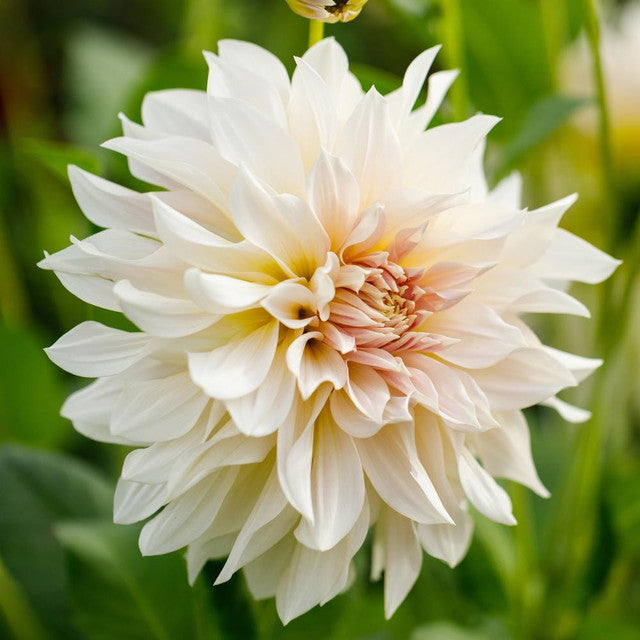
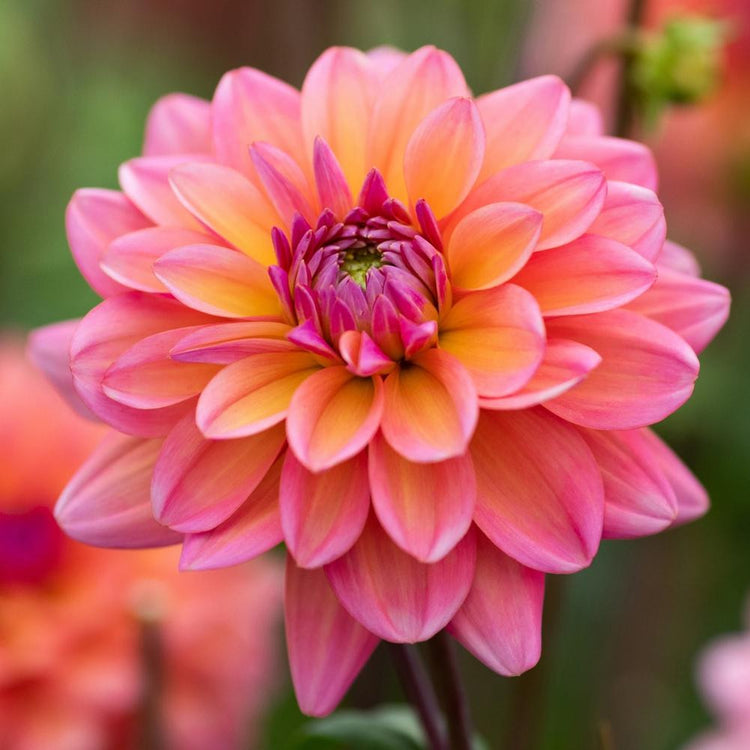
There is a unique kind of magic that happens in a garden when the first dahlia bloom unfurls its petals. For many of us, these flowers are the crown jewels of the landscape, offering a level of color and variety that few other plants can match. Whether you are dreaming of massive dinnerplate blooms or tight, geometric pompons, the excitement of watching these tubers transform into floral giants is one of the great joys of gardening.
At Longfield Gardens, we want to help you make the most of your growing space with high-quality dahlias and clear advice. Understanding the timing of these plants is the first step toward a successful harvest. Many new gardeners wonder exactly what season do dahlias grow in and how the changing weather affects their performance.
This guide will walk you through the dahlia lifecycle from the first sprout of spring to the final bloom of autumn. We will cover the best planting times, how to manage growth during the summer heat, and what to expect as the days grow shorter. If you want to have flowers for as long as possible, we recommend planting a mix of sizes and styles from our dahlia collections. By the end of this article, you will have a clear timeline to help you enjoy a long and vibrant dahlia season.
The Short Answer: A Summer to Fall Journey
If you are looking for a simple answer, dahlias grow during the warmest months of the year. They are sun-loving plants that belong to the summer and autumn seasons. Because they are native to the warm climates of Mexico and Central America, they have no natural defense against freezing temperatures.
In most parts of the United States, the dahlia season begins in late spring, once the threat of frost has completely passed. The plants then grow vigorously through the heat of mid-summer and reach their peak blooming period in late summer and early fall. They will continue to produce flowers until the first hard frost of the year brings the season to a close.
The typical timeline for a dahlia plant looks like this:
- Late Spring: Planting and initial sprouting.
- Early to Mid-Summer: Rapid leaf and stem growth.
- Late Summer (August): The beginning of the peak bloom period.
- Early Autumn (September to October): The most prolific flowering time.
- Late Autumn: The end of the season triggered by frost.
Understanding the Timing: From Tuber to Bloom
One of the most important things to know about dahlias is that they are not a "set it and forget it" flower. They require a specific amount of time to mature. On average, it takes about 90 to 120 days from the time you plant a dahlia tuber for the first flower to appear.
This means that if you plant your dahlias in May, you should expect your first significant blooms in August. This long lead time is why dahlias are often associated with the transition from summer to fall. While other garden favorites like peonies or lilacs bloom early and then fade, dahlias are just getting started when the rest of the garden begins to slow down.
Why Variety Affects Your Season
Not all dahlias follow the exact same schedule. Smaller varieties, such as border dahlias, or certain pompon types, often bloom a bit earlier than their larger counterparts. The massive dinnerplate varieties, which produce flowers the size of a dinner plate, often need the full 120 days to build up enough energy to support those giant blossoms.
If you want to have flowers for as long as possible, we recommend planting a mix of sizes and styles. This ensures that you have a steady stream of color rather than waiting for every plant to bloom at the same time.
Key Takeaway: Dahlias are a long-season crop. Expect a 3-to-4-month wait from planting to the first flower, with the best displays occurring in late summer.
Spring: The Starting Line
The dahlia season officially begins when the soil warms up. This is the most critical timing window for any dahlia grower. Planting too early can be just as risky as planting too late.
The Importance of Soil Temperature
Dahlia tubers are sensitive to cold and wet conditions. If they are placed in soil that is too cold (below 60°F), they may sit dormant and eventually rot. We suggest using a simple soil thermometer or waiting until you are ready to plant your tomatoes and peppers. If the weather is warm enough for those summer vegetables, it is warm enough for your dahlias.
Selecting Your Spot
During the spring, your goal is to provide the best possible "home" for your tubers. This means finding a location with full sun and good drainage:
- Full Sun: At least 6 to 8 hours of direct sunlight is necessary for strong stems and plenty of flowers.
- Good Drainage: "Drainage" is simply how fast water leaves the soil. Dahlias do not like to have "wet feet." If your soil stays soggy after a rain, the tubers can rot.
- Protection from Wind: Because dahlias can grow quite tall, a spot that isn't lashed by heavy winds will help prevent broken stems later in the year.
What to do next: Spring Planting Steps
- Wait until all danger of frost has passed in your area.
- Check your soil temperature to ensure it has reached at least 60°F.
- Dig a hole about 4 to 6 inches deep.
- Place the tuber horizontally in the hole with the "eye" (the small bump where growth starts) pointing up.
- Cover with soil and avoid heavy watering until you see green sprouts poking through the surface.
Summer: The Growth Phase
Once the sprouts emerge, the dahlia season enters its most active growth phase. Throughout June and July, the plants focus on building a strong structure. This is the time when the "bones" of your garden are formed.
Water and Nutrition
As the summer heat increases, your dahlias will need consistent moisture. The rule of thumb for watering is to water deeply once or twice a week rather than giving them a light sprinkle every day. This encourages the roots to grow deep into the soil.
Dahlias are also "heavy feeders," meaning they require a lot of nutrients to produce those spectacular blooms. Using a balanced fertilizer every few weeks during the summer will help the plant stay healthy. However, avoid fertilizers with very high nitrogen levels late in the season, as this can encourage lots of green leaves but very few flowers.
The Secret of Pinching
To get the most flowers out of your season, we recommend a technique called pinching. When your plant is about 12 to 16 inches tall, use your fingers or clean shears to snip off the very top of the center stem.
This might feel like you are hurting the plant, but it actually does the opposite. By removing the main growing tip, you signal the plant to send its energy to the side branches. This results in a bushier, stronger plant with many more flower buds than a plant left to grow on its own.
Summer Maintenance Checklist
- Support: Install staking options or cages early. It is much easier to support a small plant than to try and prop up a large, heavy one later.
- Mulch: A layer of mulch helps keep the soil moisture consistent and suppresses weeds.
- Monitor: Keep an eye out for common summer visitors like aphids or slugs. Catching them early makes management much simpler.
Key Takeaway: Mid-summer is for building strength. Consistent water, regular feeding, and a well-timed "pinch" will set the stage for a spectacular fall.
Late Summer and Autumn: Peak Bloom Season
For most gardeners, August and September are the highlights of the dahlia season. This is when the plants reach their full height and the flowers begin to open in earnest.
Why Dahlias Love the Fall
While many plants struggle in the late summer heat, dahlias often thrive. They particularly enjoy the cooler night temperatures that arrive in late August and September. These cooler nights help the flower colors appear more vibrant and saturated. You may notice that a variety that looked a bit pale in July becomes incredibly vivid as autumn approaches.
The Importance of Deadheading
To keep your dahlias growing and blooming for the entire season, you must deadhead regularly. Deadheading is the process of removing flowers as they begin to fade. If you leave the old flowers on the plant, the dahlia will put its energy into producing seeds. By removing the spent blooms, you tell the plant to keep making more flowers.
When you deadhead, don't just snip off the flower head. Cut the stem back to where it meets a larger branch or a set of leaves. This keeps the plant looking tidy and encourages new growth from the leaf axils.
Cutting for Bouquets
The late summer and fall season is the perfect time to bring the beauty of your garden indoors. Dahlias make excellent cut flowers. To get the longest vase life, cut your flowers in the early morning when they are fully hydrated. Unlike roses or lilies, dahlias will not open much further once they are cut, so choose blooms that are already almost fully open.
Extending Your Dahlia Season
If you live in a region with a short growing season, you might worry that your dahlias won't have enough time to shine. Fortunately, there are ways to "stretch" the season at both ends.
Starting Early Indoors
One of the best ways to get flowers earlier in the summer is to start your tubers indoors. About 4 to 6 weeks before your last frost date, you can plant your tubers in pots filled with damp potting soil. Keep them in a warm, bright spot like a sunny window or under grow lights. By the time the weather is warm enough to plant outside, you will have established plants rather than just dormant tubers. This can move your bloom start date from August up to July.
Protecting Against Early Frosts
In the fall, a single light frost can sometimes end the dahlia season prematurely. If the forecast calls for a dip in temperature but you know a "warm spell" is coming afterward, you can protect your plants. Covering them with a frost cloth or an old bedsheet overnight can keep the foliage safe. This can often buy you an extra two or three weeks of blooming time during the beautiful "Indian summer" days of October.
Safety Note for Families and Pet Owners
While dahlias are beautiful, it is worth noting that the tubers and foliage can be toxic if ingested by pets or livestock. If you have curious dogs or cats, it is a good idea to plant your dahlias in a spot where they are not easily accessible, or monitor your pets while they are in the garden.
The End of the Season: What Happens in Winter?
The dahlia season officially ends with the first "killing frost." This is a freeze that turns the green foliage black or brown. While the top of the plant dies, the tubers underground are still alive.
To Dig or Not to Dig?
What you do next depends on your USDA hardiness zone.
- Zones 8 and warmer: In these mild climates, dahlia tubers can usually stay in the ground all winter. You simply cut the dead stalks back and apply a thick layer of mulch to protect them from excessive winter rain.
- Zones 7 and colder: In these regions, the ground freezes deep enough to kill the tubers. You have two choices: treat them as annuals and buy new tubers from us next spring, or lift and store them.
Storing Tubers for Next Year
If you choose to save your tubers, wait a few days after the first frost for the plant to go dormant. Cut the stalks down to about 4 inches. Carefully dig up the clump of tubers, wash off the soil, and let them dry in a protected area for a day or two. You can then store them in a cool, dark, frost-free place (like a basement or crawl space) in a box of peat moss or wood shavings.
Summary of the Dahlia Calendar
| Time of Year | Growth Stage | Key Task |
|---|---|---|
| April/May | Pre-Planting | Start tubers in pots indoors (optional). |
| May/June | Planting | Move tubers to the garden once soil is 60°F. |
| July | Active Growth | Pinch plants at 12" and begin regular feeding. |
| August | Early Bloom | Start deadheading and enjoy the first flowers. |
| September | Peak Bloom | Harvest bouquets and keep up with watering. |
| October | Late Season | Protect from light frosts to extend the display. |
| November | Dormancy | Dig up and store tubers after the first hard frost. |
Conclusion
Dahlias are truly the stars of the late-summer and autumn landscape. While they require a bit of patience during their long spring and summer growth phase, the reward is a spectacular display of color that lasts until the very end of the growing season. By matching your planting time to your local weather and providing consistent care through the summer, you can enjoy these magnificent flowers for months.
At Longfield Gardens, we take pride in providing top-quality tubers that are true to variety and ready to perform. We stand behind our products with a 100% quality guarantee. If your items arrive damaged or don't perform as expected in their first season, please reach out to us so we can make it right.
"Gardening with dahlias is a journey of patience and color. There is nothing quite like the satisfaction of seeing a tiny tuber transform into a towering plant covered in blooms as the autumn air begins to crisp."
To get started on your own dahlia journey, we encourage you to browse our selection and plan your garden around the vibrant seasons of these incredible plants.
FAQ
Can I plant dahlias in the fall?
No, dahlias should not be planted in the fall. They are tropical plants that cannot survive freezing soil. They must be planted in the spring after the danger of frost has passed so they can grow during the warm summer months. If you buy tubers in the fall, they should be stored in a cool, dry place until the following spring.
Why are my dahlias not blooming in mid-summer?
It is very common for dahlias to wait until late summer to bloom. Most varieties take about 90 to 120 days to reach maturity, which is why timing matters so much for this crop. If you planted in late May, your plants are likely still building the energy they need to flower. As long as the plants look green and healthy, they are simply following their natural seasonal timeline.
How long does the dahlia blooming season last?
The blooming season typically lasts from late July or August until the first hard frost in autumn. Depending on your local climate, this can give you anywhere from 8 to 12 weeks of continuous flowers. You can maximize this window by deadheading regularly and protecting the plants from early light frosts.
What is the best month to plant dahlias?
For most of the United States, May is the ideal month to plant dahlias. However, the "best" month depends entirely on your local weather. You should wait until your soil is at least 60°F and there is no longer a risk of frost. In southern states, this might be April, while in northern states, it might be early June.