Table of Contents
- Introduction
- Why Choose Grow Bags for Your Dahlias?
- Understanding Grow Bag Sizes for Dahlias
- Matching Dahlia Types to Container Sizes
- Setting Up Your Grow Bag for Success
- Ongoing Care for Dahlias in Grow Bags
- Managing Pests and Diseases
- Overwintering Dahlias Grown in Bags
- Choosing the Right Spot for Your Bags
- Common Myths About Grow Bags
- Summary of the Growing Season
- Conclusion
- FAQ
Introduction
Few things match the excitement of seeing a dahlia bloom for the first time on your own patio. These versatile flowers offer an incredible range of colors and shapes, and you don’t need a massive garden plot to enjoy them. Growing in containers allows anyone with a sunny balcony or deck to cultivate a stunning floral display. At Longfield Gardens, we want to make sure your gardening experience is as rewarding as possible.
This guide will help you select the perfect grow bag size for your favorite dahlia varieties. We will cover why fabric containers work so well and how to set them up for a season full of blooms. Choosing the right container size is the first step toward a healthy, vibrant dahlia garden.
Why Choose Grow Bags for Your Dahlias?
Before we dive into specific sizes, it is helpful to understand why grow bags are such a fantastic choice for dahlias. These fabric containers offer unique benefits that traditional plastic or ceramic pots cannot match.
Superior Drainage and Aeration
Dahlias need consistent moisture, but their tubers are sensitive to standing water. Fabric grow bags are porous, which means excess water can easily escape through the sides and bottom. This prevents the soil from becoming waterlogged, which is the most common cause of tuber issues.
The fabric also allows oxygen to reach the root zone more effectively. In a standard plastic pot, roots often hit the hard wall and start circling the container. In a grow bag, the roots sense the air at the edge of the fabric and stop growing in that direction. This process, called air pruning, encourages the plant to develop a dense, fibrous root system rather than one long, circling root.
Temperature Control
Dahlias enjoy warm soil, but extreme heat can stress the plants. Plastic and metal containers can absorb and hold a lot of heat, sometimes cooking the roots on a hot summer afternoon. Grow bags breathe, which helps regulate the soil temperature. The evaporation of moisture through the fabric provides a natural cooling effect, keeping the roots comfortable even when the sun is high.
Portability and Storage
Grow bags are incredibly lightweight and usually come with sturdy handles. This makes it easy to move your dahlias to follow the sun or to protect them from a late-spring windstorm. When the season is over, you can simply empty the bags, wash them, and fold them flat for storage. They take up almost no space in a shed or garage compared to a stack of heavy pots.
Understanding Grow Bag Sizes for Dahlias
The size of the container you choose directly impacts how large and healthy your dahlia will grow. Dahlias are vigorous plants that develop substantial root systems and large tuber clumps by the end of the summer. Providing enough room is essential for a good flower show.
The 5-Gallon Grow Bag: Best for Small Varieties
A 5-gallon grow bag is the minimum size we recommend for any dahlia. This size is perfect for "Low-Grow" or "Border" dahlia varieties. These plants usually reach about 12 to 24 inches in height and have a more compact growth habit.
In a 5-gallon bag, a single border dahlia has enough room to establish its roots without becoming cramped. Because the volume of soil is smaller, you will need to monitor the moisture levels closely. These smaller bags can dry out faster than larger ones, especially during the peak of summer.
The 7-Gallon Grow Bag: The Standard Choice
For most home gardeners, the 7-gallon grow bag is the "sweet spot." It is large enough to accommodate almost any standard decorative or cactus dahlia variety. Most dahlias that grow between 3 and 4 feet tall will thrive in this size.
The 7-gallon bag provides enough soil volume to support the plant’s nutritional needs while still being easy to move. If you are unsure which size to pick for a standard dahlia tuber, the 7-gallon bag is usually your safest bet for a successful season.
The 10-Gallon Grow Bag: Ideal for Dinnerplates
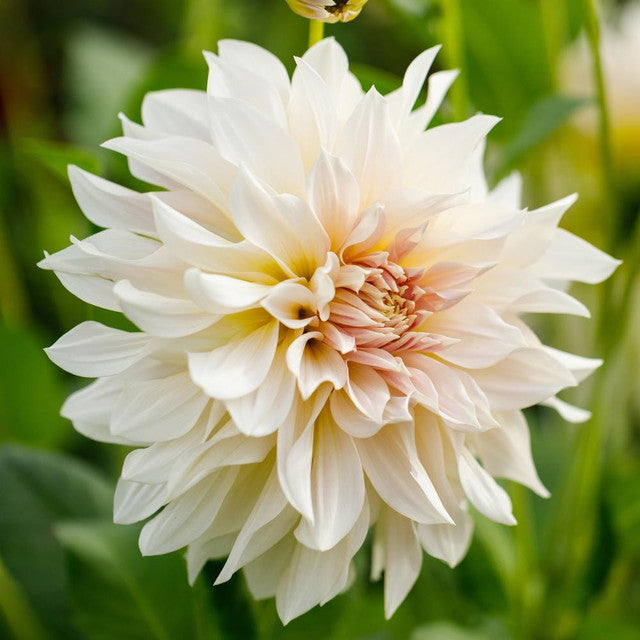
If you are growing giant Dinnerplate dahlias, you should reach for a 10-gallon grow bag. Varieties like 'Cafe au Lait' or 'Emory Paul' produce massive blooms and thick, heavy stems. These plants require a significant amount of energy and a robust root system to support their size.
A 10-gallon bag offers more stability, which is important for tall plants. The extra soil weight acts as an anchor, making it less likely that the plant will tip over in a breeze. Additionally, the larger soil volume holds more moisture and nutrients, which these heavy-feeding giants need to produce those famous, oversized flowers.
The 15 to 20-Gallon Grow Bag: For Multiple Tubers
If you want a "garden in a bag" look, you can use a 15 or 20-gallon grow bag. These large containers can house two or even three dahlia tubers together. This creates a very dense, bushy look that is perfect for a corner of a patio.
When planting multiple tubers in one bag, space them at least 10 to 12 inches apart. This ensures they aren't competing too much for the same resources. Keep in mind that a 20-gallon bag filled with damp soil is very heavy. It is best to place these in their permanent location before filling and planting.
Key Takeaway: Match your bag size to the variety's mature height. Use 5 gallons for border types, 7 gallons for standard varieties, and 10 gallons for dinnerplates.
Matching Dahlia Types to Container Sizes
To get the best results, it helps to know which category your chosen dahlia falls into. Here is a quick reference for matching popular dahlia types with the right grow bag.
Border and Miniature Dahlias
Border dahlias are bred to stay short and bushy. They are often used in the front of garden beds or in containers.
For a deeper look at compact plantings, see How to Grow Border Dahlias.
- Recommended Bag Size: 5 Gallons
- Why: Their root systems stay proportional to their short stature. They don't need deep soil to stay upright.
Decorative and Cactus Dahlias
This category includes most of the medium-sized decorative dahlias that are popular for cutting.
Cactus dahlias typically grow 3 to 4 feet tall.
- Recommended Bag Size: 7 to 10 Gallons
- Why: These plants grow quickly and need a stable base. A 7-gallon bag is sufficient, but a 10-gallon bag will give you a larger tuber clump at the end of the year.
Dinnerplate Dahlias
Dinnerplate dahlias are the showstoppers of the dahlia world, with blooms that can reach 10 inches or more in diameter.
For more detail on growing these giants, see How to Grow Dinnerplate Dahlias.
- Recommended Bag Size: 10 Gallons
- Why: Giant blooms require a lot of water and nutrients. The extra soil in a 10-gallon bag acts as a reservoir to keep the plant fueled throughout the day.
Gallery Dahlias
Gallery dahlias are a specific series of dahlias designed specifically for pots. They are very compact but produce full-sized decorative blooms.
- Recommended Bag Size: 5 Gallons
- Why: These are the most efficient dahlias for small spaces. They perform exceptionally well in smaller grow bags and rarely need staking.
Setting Up Your Grow Bag for Success
For a step-by-step refresher on planting, see How to Plant Dahlias.
Once you have chosen your bags, the way you fill and plant them makes a big difference. Growing in a container is different than growing in the ground, so a few specific steps will ensure your dahlias get off to a great start.
Choosing the Right Soil Mix
Never use "garden soil" or "topsoil" in a grow bag. These products are too heavy and will compact over time, which prevents air from reaching the roots. Instead, use a high-quality potting mix.
A good potting mix usually contains peat moss or coconut coir, perlite or vermiculite, and sometimes a bit of compost. This mixture stays light and fluffy, allowing dahlia roots to spread easily. We also suggest mixing in a handful of compost or a slow-release fertilizer at planting time to provide a steady supply of nutrients.
Planting Depth and Spacing
For a quick refresher on tubers, see Dahlia Tubers: What You Need to Know.
When you are ready to plant, follow these simple steps:
- Fill the bag: Fill the grow bag about two-thirds of the way with your potting mix.
- Position the tuber: Lay the dahlia tuber horizontally on the soil surface. Look for the "eye" or the small sprout; this should face upward.
- Cover: Add about 3 to 4 inches of soil over the tuber.
- Leave room: Leave at least 2 inches of space between the top of the soil and the rim of the bag. This makes it much easier to water without the water spilling over the sides.
Staking in a Grow Bag
Even in a container, tall dahlias need support. The best time to add a stake is at planting time. This prevents you from accidentally poking a hole through the tuber later in the season.
For a grow bag, you can use a sturdy bamboo stake or a small tomato cage. Push the stake deep into the soil until it hits the bottom of the bag. As the plant grows, use soft garden twine to loosely tie the main stem to the stake.
Action List: Planting Your Grow Bag
- Use a high-quality potting mix, not garden soil.
- Plant one tuber per 7-10 gallon bag for best results.
- Place the tuber horizontally with the eye facing up.
- Insert your support stake at the same time you plant the tuber.
- Leave a "watering gap" at the top of the bag.
Ongoing Care for Dahlias in Grow Bags
Because grow bags are more exposed to the air than the ground, your dahlias will have slightly different needs as the season progresses.
Watering Techniques
The drainage that makes grow bags so healthy for dahlias also means they dry out faster. During the heat of mid-summer, you may need to water your grow bags every day.
The best way to check is the finger test. Stick your finger about an inch into the soil. If it feels dry, it is time to water. When you water, do so deeply. Keep pouring until you see water starting to trickled out of the bottom of the bag. This ensures the entire root ball is hydrated, not just the top layer.
Feeding Your Dahlias
Container plants need more frequent feeding than those in the ground. Every time you water, a small amount of nutrients leaches out through the fabric. To keep your dahlias blooming vigorously, we recommend using a water-soluble fertilizer every two weeks once the plant is about 12 inches tall.
Look for a fertilizer that is relatively low in nitrogen and higher in phosphorus and potassium (the second and third numbers on the label). High nitrogen can lead to lots of green leaves but very few flowers. A balanced "bloom booster" formula works wonders for dahlias.
Pinching for More Blooms
If you want a bushier plant with more flowers, you should "pinch" your dahlia. When the plant is about 12 to 16 inches tall and has several sets of leaves, snip off the very top of the main center stem. This might feel like you are hurting the plant, but it actually encourages it to grow two new stems from the base. This results in a stronger, fuller plant with many more flower buds.
Managing Pests and Diseases
Growing in bags actually gives you a bit of an advantage when it comes to pests. Because the bags are elevated and separate from the main garden soil, it is harder for some ground-based pests to reach your plants.
Protecting Against Voles
In some regions, voles can be a major problem for dahlia growers because they love to snack on the tubers. The thick fabric of a grow bag acts as a natural barrier. Most voles will not chew through the heavy material, keeping your tubers safe and sound throughout the growing season.
Monitoring Airflow
Dahlias can sometimes be prone to powdery mildew, a white fungus that appears on the leaves in humid weather. Because you can move grow bags, you can ensure they are spaced far enough apart to allow for plenty of airflow. If you notice the foliage becoming too dense, you can also trim away some of the lower leaves to improve circulation near the soil line.
Overwintering Dahlias Grown in Bags
One of the best things about grow bags is how they simplify the end-of-season process. When the first frost hits and the foliage turns black, you have a few choices.
The "Easy" Storage Method
If you have a cool, frost-free place like a basement or an insulated garage, you can simply cut the stalks down to a few inches and move the entire grow bag inside. The dry soil in the bag acts as a natural insulator for the tubers. In the spring, you can dump out the bag, divide the tubers, and replant them in fresh soil.
The Traditional Storage Method
If you don't have space to store full bags, you can harvest the tubers just as you would from the ground.
- Cut the stems back to 3 inches.
- Carefully dump the grow bag into a wheelbarrow or onto a tarp.
- Because you used potting mix, the soil should fall away from the tubers easily without the need for heavy digging or washing.
- Dry the tubers for a day or two in a shaded area.
- Store them in a box with peat moss or vermiculite in a cool, dark place.
Choosing the Right Spot for Your Bags
If you’re not sure where your garden falls, check the Hardiness Zone Map.
Location is just as important as container size. Dahlias are sun-lovers. They need at least 6 to 8 hours of direct sunlight every day to produce strong stems and plenty of flowers.
However, in very hot climates (USDA Zones 8 and 9), dahlias in grow bags appreciate a little afternoon shade. Since the bags are portable, you can start them in full sun in the spring and move them to a slightly more protected spot if the July heat becomes too intense.
Also, consider the wind. Tall dahlias can act like sails. If you live in a windy area, place your grow bags near a railing or a wall that can provide a bit of a windbreak. This helps prevent the stems from snapping and keeps the bags from tipping over.
Common Myths About Grow Bags
As grow bags become more popular, some misconceptions have surfaced. We want to clear those up so you can garden with confidence.
Myth 1: Grow bags are only for vegetables.
While grow bags are famous for tomatoes and potatoes, they are excellent for almost any flowering perennial or bulb. Dahlias, in particular, benefit from the aeration that fabric provides.
Myth 2: You have to buy new bags every year.
High-quality fabric grow bags are very durable. If you clean them and store them properly over the winter, they can easily last 3 to 5 seasons. We recommend washing them with a mild soap and letting them air dry before folding them away.
Myth 3: They look "industrial" or "ugly."
While the basic black or grey bags are common, they are easily disguised. You can place a grow bag inside a decorative wicker basket or a larger ceramic pot. This gives you the beauty of a traditional container with the healthy drainage benefits of the grow bag.
Key Takeaway: Grow bags are a sustainable, long-term gardening tool that provides better health for your dahlias than traditional plastic pots.
Summary of the Growing Season
Your dahlia journey in a grow bag follows a simple, rewarding timeline.
- Spring: Select your bag size based on your dahlia variety. Fill with potting mix and plant the tuber once the danger of frost has passed. Insert your stake now.
- Early Summer: Monitor moisture daily. Once the plant is a foot tall, pinch the center to encourage branching. Begin a regular feeding schedule.
- Late Summer: Enjoy the blooms! Keep up with watering and "deadhead" (remove) any spent flowers to keep the plant producing new buds.
- Fall: After the first frost, decide whether to store the whole bag or harvest the tubers for the winter.
Longfield Gardens is here to support you at every stage of this process. Growing dahlias should be an enjoyable part of your summer routine, and using the right size grow bag is one of the easiest ways to ensure success. With a bit of sun, some quality soil, and the right container, you will be amazed at what you can grow.
Conclusion
Choosing the right size grow bag for your dahlias takes the guesswork out of container gardening. By matching the bag size to your plant’s variety—5 gallons for small types, 7 gallons for standard dahlias, and 10 gallons for the giants—you provide the perfect environment for a spectacular display. The benefits of air pruning and superior drainage make grow bags a top choice for both beginners and experienced growers alike.
- Select your bag size based on the variety's mature height.
- Always use a high-quality potting mix to ensure proper aeration.
- Remember that container plants need more frequent watering and feeding.
- Provide support stakes early to protect those beautiful blooms.
Whether you have a sprawling backyard or a tiny apartment balcony, dahlias are within your reach. We invite you to explore our selection at Longfield Gardens and find the perfect varieties to fill your bags this season.
Growing dahlias in containers is one of the most rewarding ways to bring massive color to small spaces, and the right grow bag makes all the difference.
FAQ
Can I grow more than one dahlia in a 10-gallon grow bag?
We generally recommend planting only one dahlia tuber per 10-gallon bag. This gives the plant plenty of room to develop a large tuber clump and ensures it doesn't have to compete for water and nutrients. If you want to grow multiple tubers together, it is better to move up to a 15 or 20-gallon size.
Do I need to poke holes in my grow bag for drainage?
No, you do not need to poke holes in a fabric grow bag. The material itself is porous, allowing water to drain out through the sides and the bottom naturally. This "all-over" drainage is one of the reasons grow bags are superior to plastic pots, which only have a few holes at the very bottom.
How often should I water dahlias in grow bags?
The frequency depends on your local weather, but generally, you will need to water more often than if the dahlias were in the ground. In the heat of summer, expect to water daily or every other day. Always check the soil with your finger; if the top inch feels dry, your dahlia needs a drink.
Can I reuse the potting mix in my grow bags next year?
It is best to start with fresh potting mix each season or at least refresh the old mix significantly. Over the summer, the dahlia will use up most of the nutrients in the soil, and the structure of the mix can begin to break down. If you do reuse it, mix in plenty of fresh compost and a slow-release fertilizer to replenish the soil.