Table of Contents
- Introduction
- The Importance of Soil Temperature
- Following the Last Frost Date
- The "Tomato Rule" for Dahlia Timing
- Managing Spring Rainfall and Moisture
- How to "Pre-Start" Dahlias Indoors
- The Role of Variety in Planting Time
- What to Do While You Wait
- Planting Depth and Spacing
- Adjusting for Late Spring Weather
- Planning for the End of the Season
- Conclusion
- FAQ
Introduction
There is nothing quite like the feeling of seeing the first dahlia sprout push through the soil in late spring. These spectacular dahlias are the undisputed stars of the summer and fall garden, offering a variety of colors and forms that few other plants can match. At Longfield Gardens, we want to help you experience that same excitement by ensuring your tubers get off to the best possible start.
Timing is everything when it comes to dahlia success. While it is tempting to get your tubers in the ground as soon as the first warm day arrives, a little bit of patience goes a long way toward growing a healthy, productive plant. This guide is designed for home gardeners who want to know exactly when to plant their dahlia tubers to ensure a season full of stunning blooms.
Getting the timing right means balancing soil temperature, frost dates, and local weather patterns. By following a few simple rules, you can transform your backyard into a floral paradise. Let’s look at the factors that determine the perfect planting window for your garden.
The Importance of Soil Temperature
When deciding when to plant dahlia tubers, the temperature of the soil is actually more important than the temperature of the air. Dahlia tubers are native to the warm climates of Mexico and Central America, which means they are naturally programmed to stay dormant until they feel a consistent level of warmth.
The magic number for dahlia tubers is 60°F. When the soil reaches this temperature consistently, the tuber receives a biological "wake-up call." At this warmth, the eyes of the tuber begin to swell and push out new growth, and the root system starts to establish itself. If you plant when the soil is still cold—even if the air feels like spring—the tuber will simply sit in the ground.
Using a simple soil thermometer is one of the easiest ways to take the guesswork out of planting. You can find these at most local garden centers. Simply insert the probe about four to six inches deep into the area where you plan to plant. If the reading is consistently hitting that 60°F mark for several days in a row, you have found your ideal window.
Why Air Temperature Can Be Deceiving
It is common for early spring to have "false starts" where the air feels warm and sunny for a few days, but the ground remains chilled from the winter. Soil takes much longer to warm up than the air because it is dense and holds onto moisture.
If you rush the process and plant your tubers while the ground is still in the 40s or 50s, the plant will not have the energy to start growing. Instead, the tuber stays in a state of suspended animation. Waiting for the soil to warm up ensures that once you do plant, the dahlia will grow quickly and vigorously, often catching up to and even surpassing tubers that were planted too early in cold soil.
Following the Last Frost Date
While soil temperature is the primary guide, the threat of frost is the secondary boundary for your planting schedule. Dahlia plants are extremely sensitive to freezing temperatures. Even a light frost can turn new, tender green shoots into black mush overnight.
In most parts of the United States, the safest time to plant dahlia tubers is about a week or two after the average last frost date for your specific area. This buffer period gives the soil a chance to continue warming and reduces the risk of a late-season cold snap damaging your new plants.
Understanding Your Hardiness Zone
Knowing your USDA Plant Hardiness Zone is helpful for planning, but for dahlias, the specific "last frost date" for your zip code is the more critical piece of data. You can find this information by checking with your local university extension office or using online weather databases.
- Zones 3–5: Gardeners in these cooler regions often have to wait until late May or even early June to plant outdoors. Because the growing season is shorter, many gardeners in these zones choose to start their tubers indoors to get a head start.
- Zones 6–7: This is the middle ground where mid-May is typically the peak planting time. The soil has usually had enough sun by this point to reach the required temperature.
- Zones 8–10: In these warmer climates, planting can often happen as early as March or April. However, gardeners in the South must also consider the heat of summer; planting early ensures the plants are well-established before the intense July sun arrives.
Key Takeaway: Always prioritize your local frost date over general national averages. If the trees in your neighborhood are just starting to bud, it is likely still a bit too early for dahlias.
The "Tomato Rule" for Dahlia Timing
If you are looking for a simple, practical way to remember when to plant dahlia tubers without checking charts and thermometers, use the "Tomato Rule." In almost every climate, the right time to plant dahlias is exactly the same time you would plant your tomatoes outside.
Both dahlias and tomatoes are "warm-season" crops. They both love sun, hate frost, and thrive when the soil is warm and the nights are no longer chilly. If the local garden centers are just starting to put out their tomato starts for outdoor planting, it is a great signal that the dahlia season has arrived.
Observation in the Garden
Another way to judge the timing is to look at the other plants in your yard. When the spring-blooming bulbs like tulips and daffodils have finished their show and the lilacs are in full bloom, the earth is usually warm enough for dahlias. These natural cues are often more accurate than a calendar because they reflect the actual weather patterns of the current year.
Managing Spring Rainfall and Moisture
When we think about timing, we usually think about temperature, but moisture is just as important. Dahlia tubers are essentially storage vessels for energy and water. When they are first put into the ground, they do not have a root system to drink up extra moisture.
If your spring has been particularly rainy and the soil is "soggy" or "mucky," it is best to wait a few days for the ground to dry out before planting. Tubers planted in cold, saturated soil are prone to rot before they ever have a chance to sprout.
Soil Drainage and Timing
The type of soil you have will also influence how early you can plant.
- Sandy Soil: This type of soil warms up quickly and drains fast. If you have sandy soil, you can often plant a few days earlier than your neighbors because the risk of rot is lower.
- Clay Soil: Clay stays cold and wet much longer than sand. If you have heavy clay, you should wait until the soil is dry enough that a handful of it crumbles when squeezed, rather than staying in a solid ball.
If you are worried about your soil being too wet, you can create small mounds or plant in raised beds. Raised beds are a favorite for dahlia growers because the soil inside them warms up faster in the spring sun and drains much better than the surrounding ground.
How to "Pre-Start" Dahlias Indoors
If you live in a northern climate with a short growing season, or if you simply can’t wait to see those first blooms, you can start your dahlia tubers indoors about 4 to 6 weeks before your last frost date. This process is often called "waking up" the tubers.
Steps for an Early Start
- Choose a Container: Use a gallon-sized pot with drainage holes for each tuber.
- Use Quality Potting Mix: Fill the pot halfway with a light, well-draining potting soil.
- Position the Tuber: Lay the tuber horizontally with the "eye" (the small bump where the sprout emerges) facing upward.
- Cover Lightly: Add another inch or two of soil on top. You do not need to fill the pot to the brim yet.
- Warmth, Not Water: Place the pots in a warm spot (around 65–70°F). Do not water them until you see a green shoot appear. The tuber has enough moisture inside to start the process. Watering too early indoors is the most common cause of rot.
Once the shoots are a few inches tall and the weather outside has finally met the soil temperature and frost requirements, you can transplant your "started" dahlias into the garden. This method can give you blooms as much as a month earlier than planting dormant tubers directly into the ground.
The Role of Variety in Planting Time
At Longfield Gardens, we offer a wide range of dahlia types, from tiny pompons to massive dinnerplate varieties. While the planting time remains the same for all of them, the bloom time varies.
- Border Dahlias: These smaller varieties often grow faster and begin blooming earlier in the summer.
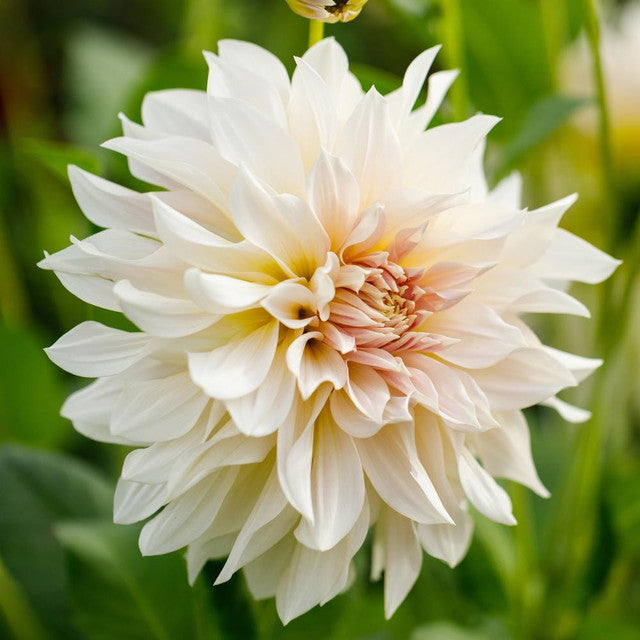
- Dinnerplate Dahlias: These giants (like the famous 'Cafe au Lait') take more time to build up the plant structure needed to support those massive 10-inch flowers. They might not start blooming until late August or September.
If you want a long season of color, we recommend planting a mix of varieties. By putting them all in the ground at the same time in late spring, you ensure a staggered harvest of flowers that begins in mid-summer and continues until the first frost of autumn.
What to Do While You Wait
While you are waiting for the soil to hit that perfect 60°F mark, you can spend your time preparing the planting site. This ensures that once the window opens, you can get your tubers in the ground quickly and efficiently.
Site Preparation Checklist
- Sunlight: Identify a spot that gets at least 6 to 8 hours of direct sunlight. Dahlias are sun-worshippers and will not bloom well in the shade.
- Soil Amendments: If your soil is very heavy or poor, mix in some compost or well-rotted manure. This improves the texture and provides slow-release nutrients.
- Staking: If you are planting tall varieties, it is best to put your stakes in the ground before you plant the tuber. This prevents you from accidentally driving a stake through the tuber later in the season.
- Clear the Area: Remove any weeds or leftover winter debris so the soil can absorb as much sun as possible to warm up.
What to Do Next:
- Check your local last frost date and mark it on your calendar.
- Purchase a soil thermometer to monitor the ground temperature.
- Order your favorite dahlia varieties early by browsing our dahlia collections.
- Prepare your garden beds by adding compost and clearing weeds.
Planting Depth and Spacing
Once the timing is right, the physical act of planting is straightforward. Proper planting depth and spacing are the "quiet winners" of dahlia gardening. They ensure the plant has the support it needs and enough room for air to circulate, which keeps the foliage healthy.
Getting the Depth Right
Dig a hole about 4 to 6 inches deep. Place the tuber horizontally at the bottom of the hole. If you can see the eye or a small sprout, make sure it is pointing up. Cover the tuber with soil, but do not pack it down too tightly. The loose soil allows the tender new shoots to reach the surface easily.
In warmer climates (Zones 8-10), planting slightly deeper (6 inches) can help keep the tuber cool during the heat of July. In cooler northern climates, 4 inches is usually sufficient to get the plant growing quickly.
Spacing for Success
Space your dahlias based on their mature size. Most standard dahlias should be planted about 12 to 18 inches apart. Larger "Dinnerplate" varieties appreciate a bit more room—about 24 inches—to allow for their massive root systems and wide branch spread. Proper spacing is vital because it allows for air movement, which naturally helps prevent issues like powdery mildew later in the season.
Adjusting for Late Spring Weather
Sometimes, even with the best planning, nature throws a curveball. If you have already planted your tubers and the forecast suddenly calls for a surprise late frost, do not panic.
If the sprouts have not yet emerged from the soil, they are perfectly safe. The earth acts as an insulator. If the green shoots are already above ground, simply cover them overnight with an inverted bucket, a frost blanket, or a heavy layer of mulch. Remove the cover as soon as the temperature rises the next morning.
Similarly, if an unexpected week of heavy rain is forecasted right after you plant, you can cover the planting area with a piece of plastic or a tarp to shed the excess water and keep the tubers from getting waterlogged.
Planning for the End of the Season
When you plant your dahlias in May or June, it is helpful to keep the end of the season in mind. Dahlias will continue to grow and bloom until the first killing frost of autumn. In many parts of the US, this provides three to four months of incredible color.
Because dahlias are not winter-hardy in most zones (typically Zones 3-7), you will need to decide whether you want to treat them as annuals or dig them up to store for next year. If you plan to save them, the "when" of autumn is just as important as the "when" of spring: wait until the foliage has been blackened by the first frost before digging them up. This ensures the tubers have stored maximum energy for their winter nap.
Conclusion
Finding the right moment for when planting dahlia tubers is the first step toward a garden filled with breathtaking color. By prioritizing soil temperature, respecting the last frost date, and being mindful of spring moisture, you set your plants up for a season of vigorous growth. Remember that gardening is a journey of observation, and the best cues often come from the soil and the plants around you.
At Longfield Gardens, we are committed to your success. Our tubers are carefully selected from trusted growers to ensure they arrive in prime condition, ready to thrive in your garden. We stand behind our products with a 100% quality guarantee, ensuring they are true to variety and healthy. If you ever have a question about timing or care, our team is here to help you grow the garden of your dreams.
Final Tips for Success:
- Wait for 60°F soil and the "all clear" from frost.
- Use the "Tomato Rule" as your ultimate seasonal guide.
- Avoid watering newly planted tubers until you see green growth.
- Choose a mix of varieties for a non-stop harvest from summer to fall.
"The secret to magnificent dahlias isn't a magic fertilizer; it's simply giving the tubers the warmth and drainage they need to wake up naturally."
FAQ
Can I plant dahlia tubers in March?
In most parts of the United States, March is too early to plant dahlias directly in the ground because the soil is still too cold and the risk of frost is high. However, if you live in a very warm climate like Southern California or Florida (Zones 9-10), March may be appropriate. For everyone else, March is a great time to start tubers indoors in pots to get a head start on the season.
What happens if I plant my dahlias too early?
If you plant dahlia tubers in soil that is colder than 55-60°F, they will remain dormant and won't grow. The biggest risk of early planting is rot; cold, wet spring soil can cause the tuber to decay before it has the chance to sprout. It is always better to wait for the soil to warm up and dry out slightly than to rush the process.
Do dahlia tubers need to be soaked before planting?
No, it is not necessary to soak dahlia tubers before planting. Unlike some other bulbs or corms (like ranunculus), dahlia tubers contain a significant amount of moisture and energy stored within them. Soaking can actually increase the risk of fungal issues or rot. Simply plant them in warm, slightly moist soil and they will wake up on their own.
How long does it take for a dahlia tuber to sprout after planting?
Once planted in warm soil (60°F or higher), most dahlia tubers will send up green shoots within 2 to 4 weeks. Some varieties, particularly the larger Dinnerplate types, can be a bit slower and may take up to 6 weeks to appear. If you don't see growth after a month, gently scratch away a little soil to see if the tuber is firm and if any small white roots or green eyes are developing.