

Introduction
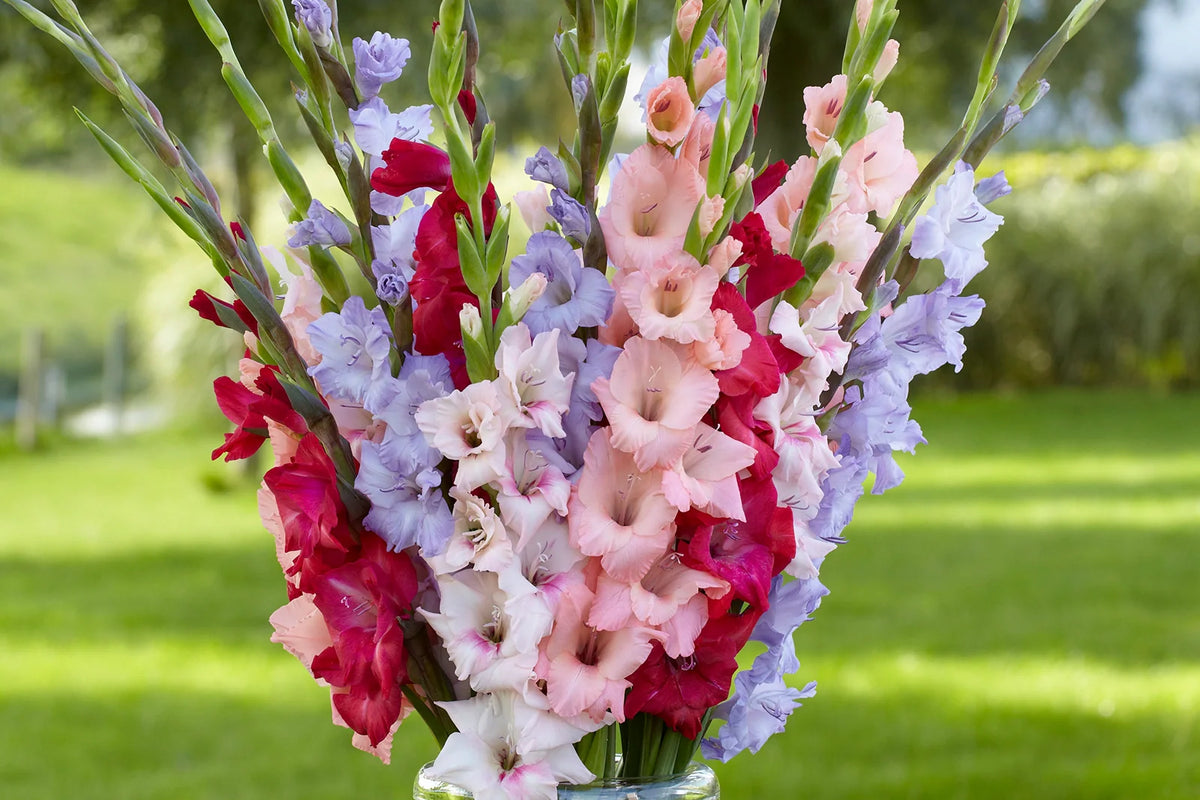
There is something truly magical about the moment a gladiolus spike begins to unfurl in the summer sun. These "sword lilies" are famous for their tall, dramatic stature and a color palette that includes every shade of the rainbow. Whether you are aiming for a cutting garden full of fresh bouquets or a bold backdrop for your perennial beds, these flowers offer a high-impact reward for very little effort. At Longfield Gardens, we believe that gardening should be a joyful and straightforward experience for everyone.
Getting the timing right is the most important step in growing a successful crop of gladiolus. Because these plants grow from corms—which function much like bulbs—they have specific needs when it comes to soil temperature and the changing seasons. This guide is designed for home gardeners who want to take the guesswork out of the spring season. We will cover exactly when to get your corms in the ground and how to schedule your planting for a continuous parade of color.
By understanding a few simple rules about frost dates and soil warmth, you can ensure your garden stays vibrant from midsummer through the first cooling breezes of autumn. Timing is the secret ingredient that turns a good garden into a spectacular one.
The Best Time to Plant Gladiolus
The short answer to the question of when to plant is simple: wait for the frost to pass. Gladiolus are "tender perennials," which means they love the warmth and cannot tolerate freezing temperatures. In most parts of the United States, this means planting happens in late spring.
While it might be tempting to tuck them into the soil as soon as the first crocuses appear, patience pays off. If the soil is too cold and wet, the corm may sit dormant for too long, which increases the risk of rot. Aim for a soil temperature of at least 55°F. A good rule of thumb is to wait until you are confident that the "danger of frost" has truly passed for your specific area.
If you are unsure of your local frost dates, you can consult a regional planting calendar or your local extension office. Generally, if the trees in your neighborhood are fully leafed out and the ground feels warm to the touch, your glads are ready to go. This typically falls between April and June depending on your location.
Key Takeaway: The ideal window for planting begins when the soil has warmed to 55°F and the threat of a late-season frost is gone.


Understanding Your USDA Hardiness Zone
Your geographic location plays a major role in your planting schedule. We use the USDA Plant Hardiness Zone Map to help determine the best timing for shipping and planting. These zones are based on the average annual minimum winter temperature in your area.
For gardeners in Zones 8 through 10, the climate is mild enough that gladiolus can often stay in the ground year-round. In these warm regions, you can start planting as early as February or March. The soil stays warm enough to support early growth, and the plants will naturally emerge as the days lengthen.
For those in Zones 2 through 7, the ground freezes hard enough in the winter to damage the corms. In these cooler climates, we treat gladiolus as annuals or "lift" them in the fall to store indoors. For these zones, planting typically begins in May or early June. We time our shipping schedule to arrive approximately two weeks before the ideal planting window for your specific zone. This ensures your corms arrive fresh and ready for the soil.
The Strategy of Succession Planting
If you plant all your gladiolus bulbs on the same day, they will all bloom at the same time. While a massive explosion of color is beautiful, it usually only lasts for about two weeks. To keep the beauty going all summer long, we recommend a technique called succession planting.
Succession planting is the practice of staggering your planting dates. Instead of putting 50 corms in the ground at once, try planting 10 corms every two weeks. If you are planning a larger display, our Spring Planted Flower Bulk Buys page can help. You can start your first batch as soon as the soil is warm and continue planting every 10 to 14 days through early July.
This simple strategy creates a "domino effect" in the garden. As the first group of flowers begins to fade, the second group will just be starting to open. This ensures you have a fresh supply of tall, elegant spikes for your garden and your vases from July until the first frost of autumn.
How to Plan Your Succession
- Batch 1: Plant as soon as the soil reaches 55°F and frost is gone.
- Batch 2: Plant 14 days after Batch 1.
- Batch 3: Plant 14 days after Batch 2.
- Continuous Cycles: Repeat this every two weeks until you reach midsummer.
Calculating the "Last Call" for Planting
While you can plant well into the summer, there is a limit to how late you can wait. Gladiolus typically need 60 to 90 days from the time they are planted until they produce a flower. If you plant too late in the year, a surprise early frost in the fall could end the season before your flowers have a chance to bloom.
To find your "last call" date, look up the average date of the first fall frost in your area. Count back 90 days from that date. This is your final deadline for planting. For many northern gardeners, this deadline falls in early to mid-July.
If you find yourself with a handful of corms in late July, it is still worth planting them, but keep in mind they may need a particularly warm autumn to reach their full potential. Gardening is always an adventure with the weather, and sometimes those late-season blooms are the most rewarding of all.
How Depth and Spacing Affect Timing
It might seem like a small detail, but the planting depth at which you plant your corms affects when they will emerge from the soil. Deep planting is one of those "quiet winners" in the garden. We recommend planting gladiolus corms 6 inches deep.
There are two reasons why depth matters for timing and health. First, planting at a 6-inch depth provides the tall flower spikes with much-needed stability. As the plant grows to 3 or 4 feet tall, the deep soil acts as an anchor, helping the stem stay upright without the constant need for staking. Second, the soil temperature is more consistent at a 6-inch depth than it is at the surface. This prevents the corm from reacting too quickly to a single warm afternoon followed by a cold night.
When it comes to spacing, giving your plants room to breathe is essential. Space your corms about 4 to 6 inches apart. If they are crowded too closely, they have to compete for water and nutrients, which can delay the blooming process. Well-spaced plants grow faster and produce more robust flower spikes.
What to do next:
- Measure your planting depth to ensure it is at least 6 inches.
- Space corms roughly the width of a hand-span apart.
- Point the "eyes" or the pointed end of the corm upward.
- Firm the soil gently over the top to remove air pockets.
Site Selection: Matching the Plant to the Spot
Timing your planting correctly only works if the location is right. Gladiolus are sun-worshippers. To ensure they bloom within that 60-to-90-day window, they need at least 6 to 8 hours of direct sunlight every day. If they are planted in a shady spot, they will spend all their energy stretching toward the light, resulting in weak stems and delayed or non-existent flowers.
The second half of the "right place" rule is drainage. Gladiolus corms are susceptible to rot if they sit in standing water. "Drainage" is simply a way of describing how fast water leaves the soil. If you have a spot where puddles linger for hours after a rainstorm, that area is likely too wet for glads.
If your soil is heavy clay, you can improve the drainage by adding organic matter like compost. Alternatively, many gardeners find that planting in raised beds or containers is an easy win. This gives you total control over the soil quality and ensures that excess water can move away from the corm quickly.
Watering and Aftercare Timing
Once your corms are in the ground, your focus shifts to consistent care. Proper watering is essential for keeping the growth on schedule. The "water correctly, not constantly" rule applies here. You want the soil to be moist but not soggy.
In most climates, gladiolus need about an inch of water per week. If the weather is particularly hot or dry, you may need to increase this. Deep, infrequent watering is much better than a light daily sprinkle. By soaking the soil deeply, you encourage the roots to grow further down into the earth, which makes the plant more resilient to heat.
Mulching is another simple step that makes a big difference. Adding a 2-inch layer of straw, bark, or shredded leaves around the base of the plants helps regulate soil temperature and retain moisture. This is especially helpful if you live in a region where the summer sun can quickly bake the top layer of the garden.
Harvesting for Bouquets
One of the best reasons to grow gladiolus is for the stunning floral arrangements you can create. Knowing when to cut the flowers is just as important as knowing when to plant them.
The best time to harvest a flower spike is when the very bottom one or two blossoms have just started to open. The remaining buds on the spike will continue to open one by one once they are placed in a vase. This gives you the longest possible vase life, often lasting a week or more.
When cutting, use a clean, sharp knife or garden shears. It is best to harvest in the cool of the early morning or late evening when the plant is most hydrated. Avoid cutting the spike all the way to the ground if you plan to save the corms for next year. Leave at least four leaves on the plant so it can continue to photosynthesize and store energy in the corm for the following season.
Preparing for Next Year: The Fall Transition
As the summer comes to a close, the timing of your "lifting" process begins. If you live in a cold climate (Zone 7 or lower), you will need to remove the corms from the ground before the soil freezes solid.
The signal to start this process is the foliage. After the flowers have finished blooming, the leaves will eventually begin to turn yellow or brown. This is a sign that the plant is going dormant. Wait until the foliage has withered or until after the first light frost of autumn.
Gently dig up the corms, being careful not to bruise them. Shake off the excess soil and cut the stems back to about an inch above the corm. Allow them to dry in a warm, airy spot (away from direct sunlight) for about two weeks. Once they are "cured" and dry to the touch, you can store them in a cool, dark place like a basement or garage until it is time to start the cycle all over again next spring.
Safety for Pets and Children
It is important to keep in mind that gladiolus can be toxic if ingested. This is a common trait among many popular garden bulbs and perennials. The corm contains the highest concentration of these compounds.
If you have curious pets or small children, it is best to plant your gladiolus in areas that are not easily accessible. When you are digging up corms in the fall or storing them over the winter, make sure they are kept in a secure location out of reach. If you suspect a pet has eaten any part of the plant, contact your veterinarian promptly for guidance.
Why Quality Matters
When you are planning your garden timeline, starting with high-quality material is the easiest way to ensure success. At Longfield Gardens, we work closely with trusted growers in major bulb-growing regions like Holland to ensure our corms are healthy and true to variety.
Large, firm corms have more stored energy, which leads to bigger flowers and more reliable growth. We stand behind our products with a 100% quality guarantee. If your order arrives with any issues, our customer service team is ready to help. We want you to feel confident from the moment you open your shipment to the moment your first flower opens.
Conclusion
Planting gladiolus is a rewarding way to add height and vibrant color to your summer landscape. By waiting for the soil to warm to 55°F, using succession planting to extend the season, and choosing a sunny spot with good drainage, you are setting yourself up for success. Remember that gardening is an ongoing journey of observation and adjustment.
Every yard has its own microclimate, and your local weather will always play a role in the exact timing of your blooms. At Longfield Gardens, we are here to support you with quality plants and practical advice every step of the way. Whether you are a first-time gardener or a seasoned pro, these elegant "garden gladiators" are a fantastic choice for a beautiful and productive summer.
Final Tips for Success:
- Wait for warm soil (55°F) before your first planting.
- Plant every two weeks for a continuous supply of flowers.
- Provide at least 6–8 hours of sun and well-draining soil.
- Harvest spikes when the first bottom bud opens for the best vase life.
The next step is simple: check your local frost dates, pick out your favorite colors, and get ready for a summer full of spectacular blooms. We look forward to helping you grow the garden of your dreams.
FAQ
How many weeks does it take for gladiolus to bloom after planting?
Most gladiolus varieties take between 60 and 90 days to produce flowers after they are planted. This timeline can vary slightly based on the specific variety, the soil temperature, and the amount of sunlight the plants receive. If you want flowers by mid-July, you should aim to plant your first batch in late April or early May.
Can I plant gladiolus bulbs in the fall?
In most parts of the United States, gladiolus are not planted in the fall because they cannot survive freezing winter temperatures in the ground. Fall is typically the time for planting hardy bulbs like tulips and daffodils. Gladiolus are best planted in the spring once the danger of frost has passed and the soil is warm.
Is it too late to plant gladiolus in July?
You can still plant gladiolus in early July, provided you live in a region where the first fall frost doesn't arrive until October. Since they need about 90 days to bloom, planting in July means you will see flowers in late September or early October. For many gardeners in northern states, July is the "last call" for planting to ensure the flowers have time to open before the cold weather hits.
Do I need to soak gladiolus corms before planting?
Soaking is not necessary for gladiolus corms and can sometimes lead to rot if the soil is already damp. As long as you plant them at the correct depth (6 inches) and water them well immediately after planting, they will have plenty of moisture to begin their growth. Focus on ensuring your soil has good drainage rather than pre-soaking the corms.


