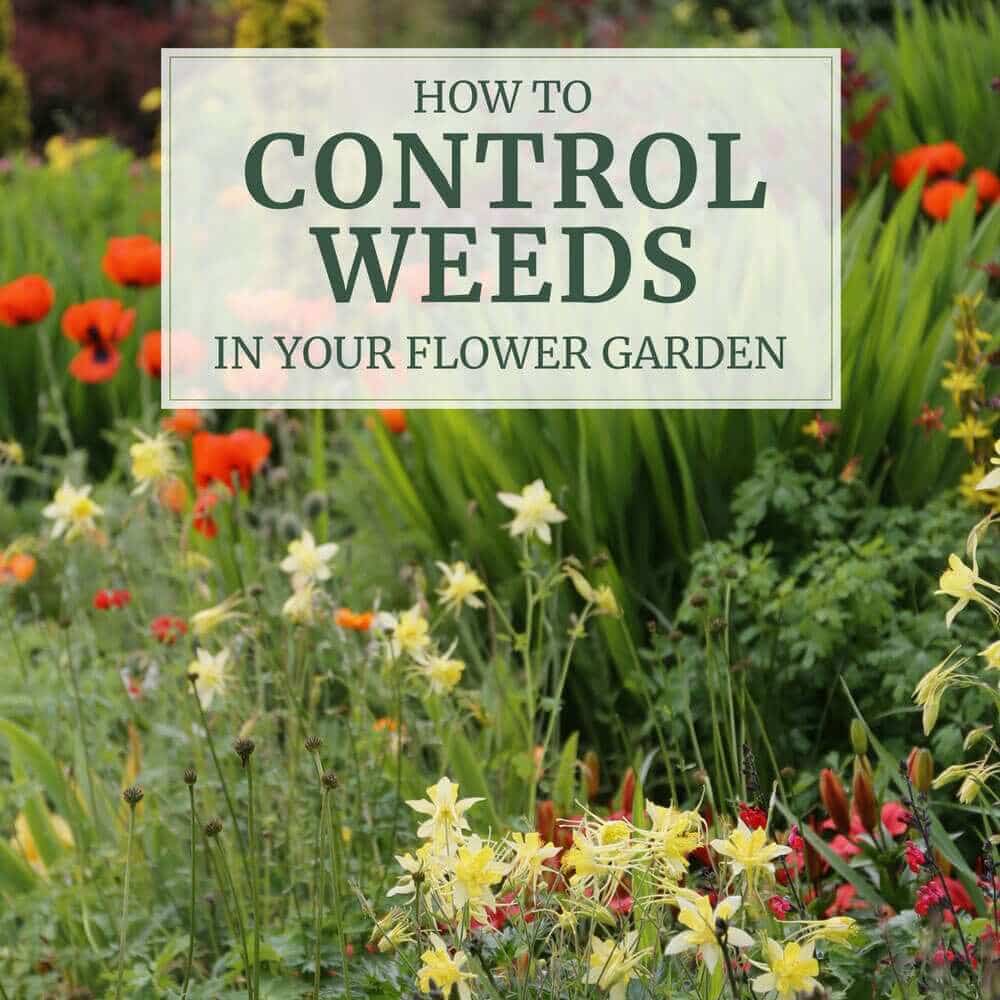
Weeds can shade or crowd the plants you are actually cultivating. They can compete for valuable moisture and nutrients, and if allowed to go to seed, will ensure you have even bigger weed problems in the future. Weeding is a chore gardeners can't avoid. But you can decrease the amount of time you spend doing it and that’s a benefit everyone can appreciate!
Weed Early and Often
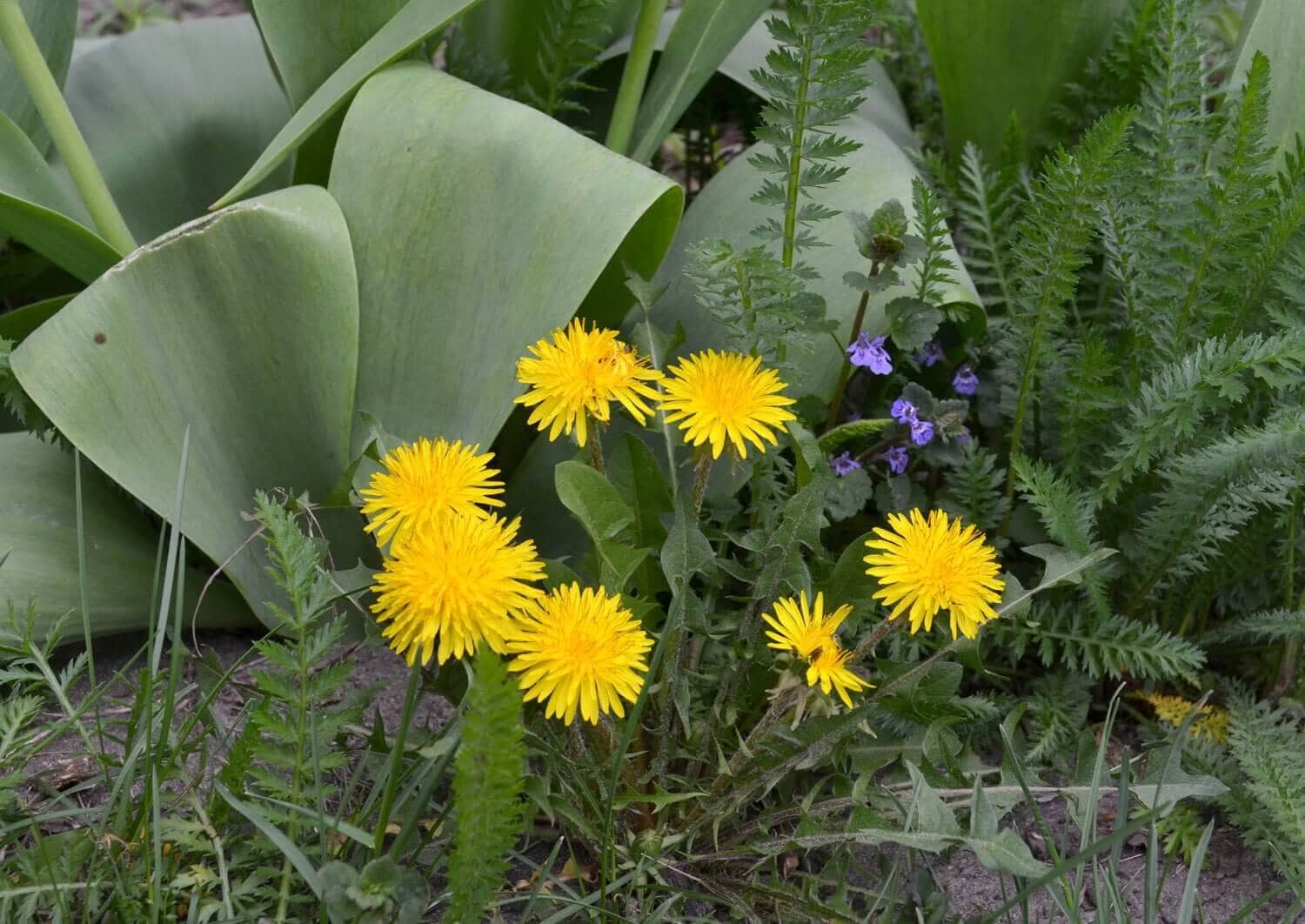
The time to start managing weeds is very early spring. Perennial weeds like dandelions will grow in surprisingly cold soil. If you tackle them while the soil is still moist and before they put on much growth, it's far easier to remove them, roots and all.
As the soil warm up, annual weed seeds begin to germinate. In most areas of the country, weed pressure is greatest in the spring and this is a critical time to assert your dominance. If you weed weekly and remove these plants while they are still small, you’ll be surprised how quickly the task can be completed.
Mid-summer typically brings drier weather, making it a bit more difficult for new weeds to germinate. But this is no time to slack off. Maintain your weekly weeding routine and enjoy the pleasure of a tidy garden!
Starting a new garden area? Don’t despair! Controlling weeds can be very difficult for the first couple years. Each time you turn the soil, new weed seeds come to the surface where there’s adequate light for them to germinate. Freshly turned soil is also a welcome mat for airborne weed seeds (like dandelions!) as well as invasive creepers (like creeping Charlie!).
Banish Seed Heads
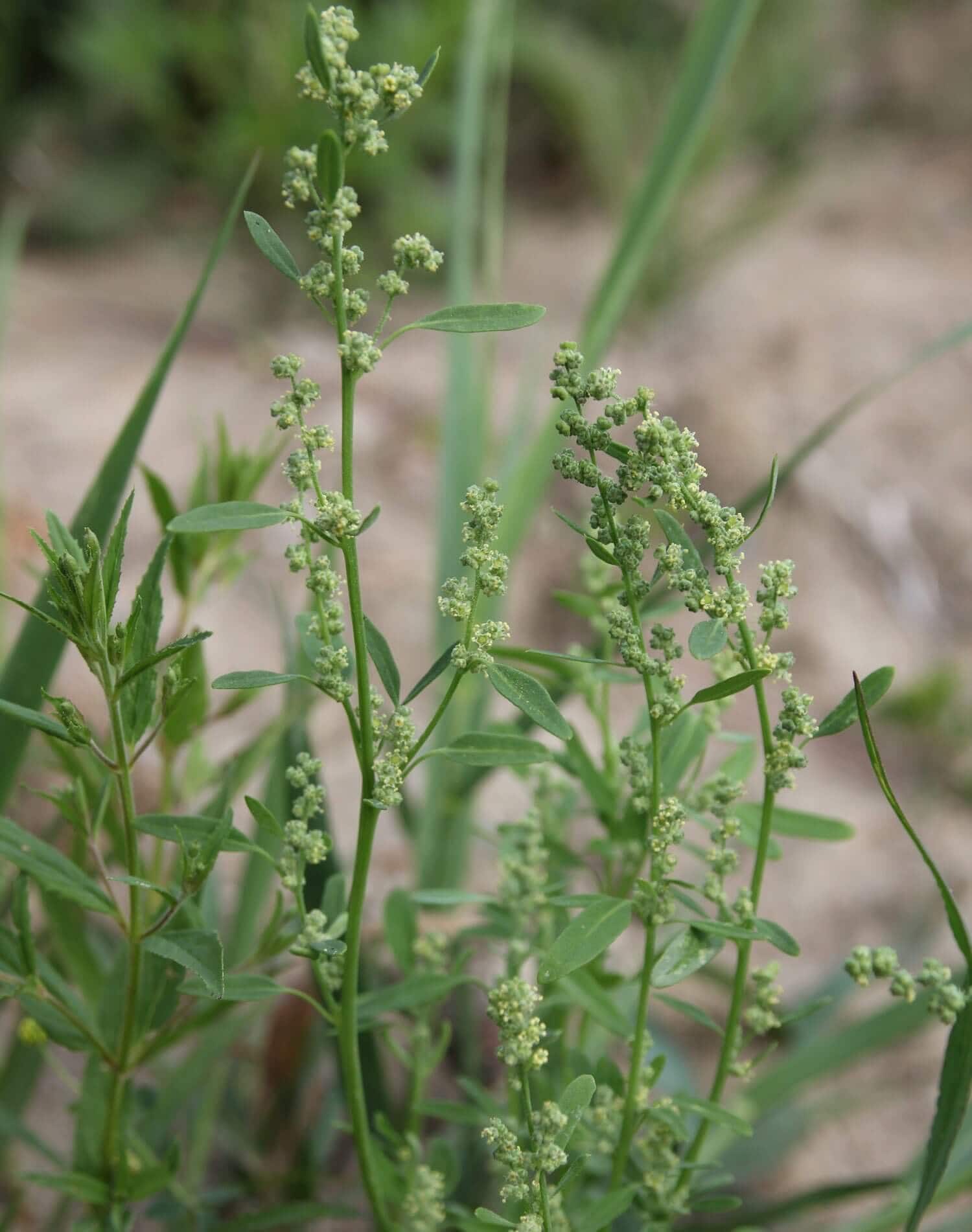
The key to long term weed control is vigilance. Make it your goal to let no weed go to seed. A single plant can produce hundreds or even thousands of seeds that will be around to plague you in the months and years to come. Some weeds inevitably go unnoticed until they begin flowering. Whenever and wherever you find these rascals, be swift about removing them – especially the flower heads. Weeds have an uncanny ability to go from flower to seed in a blink of the eye.
Minimize Soil Disturbance
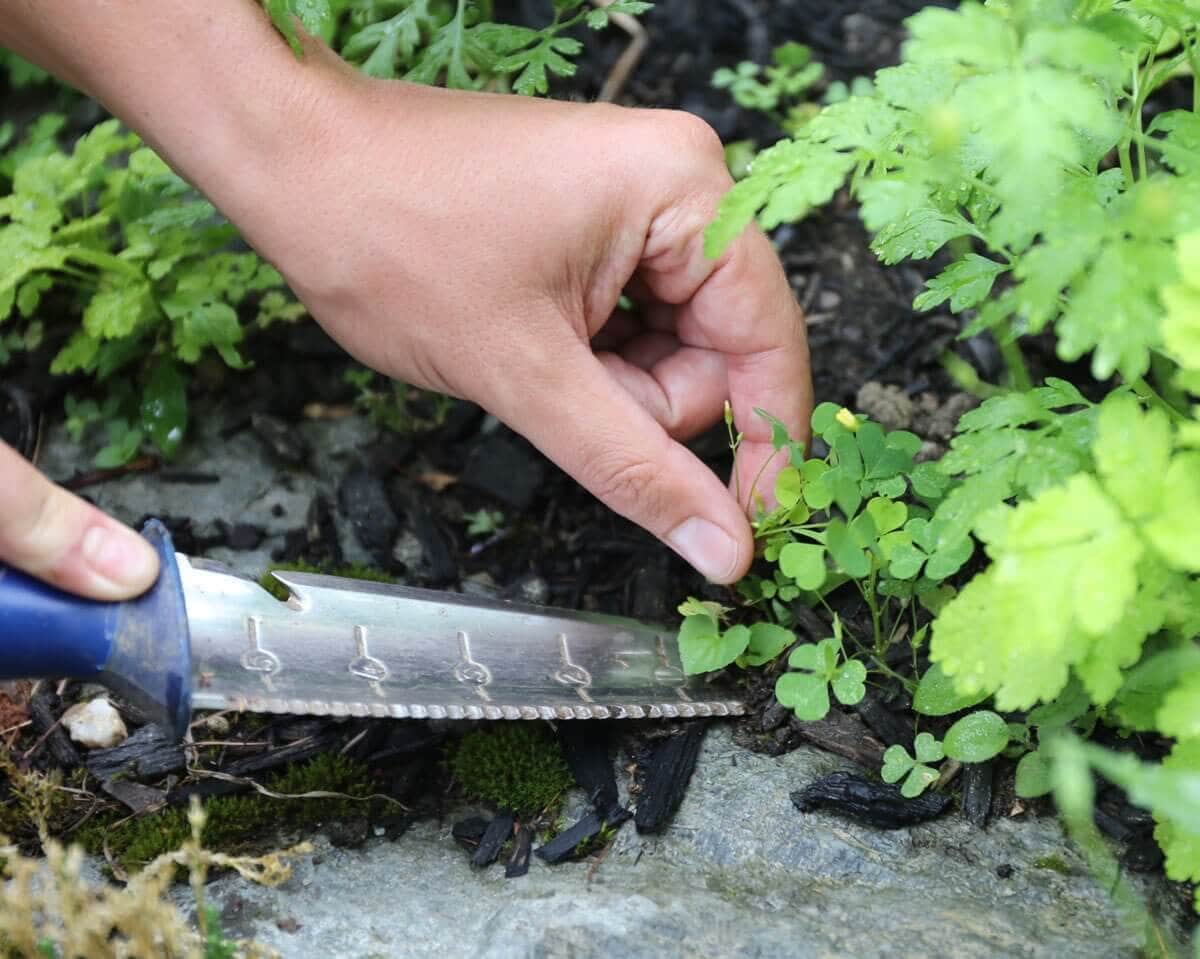
Dig only when necessary. Most soils are filled with weed seeds that can remain dormant for decades. Digging brings these seeds to the surface where they can germinate. When weeding, it’s important to remove the roots, but when you do, try to disturb the soil as little as possible.
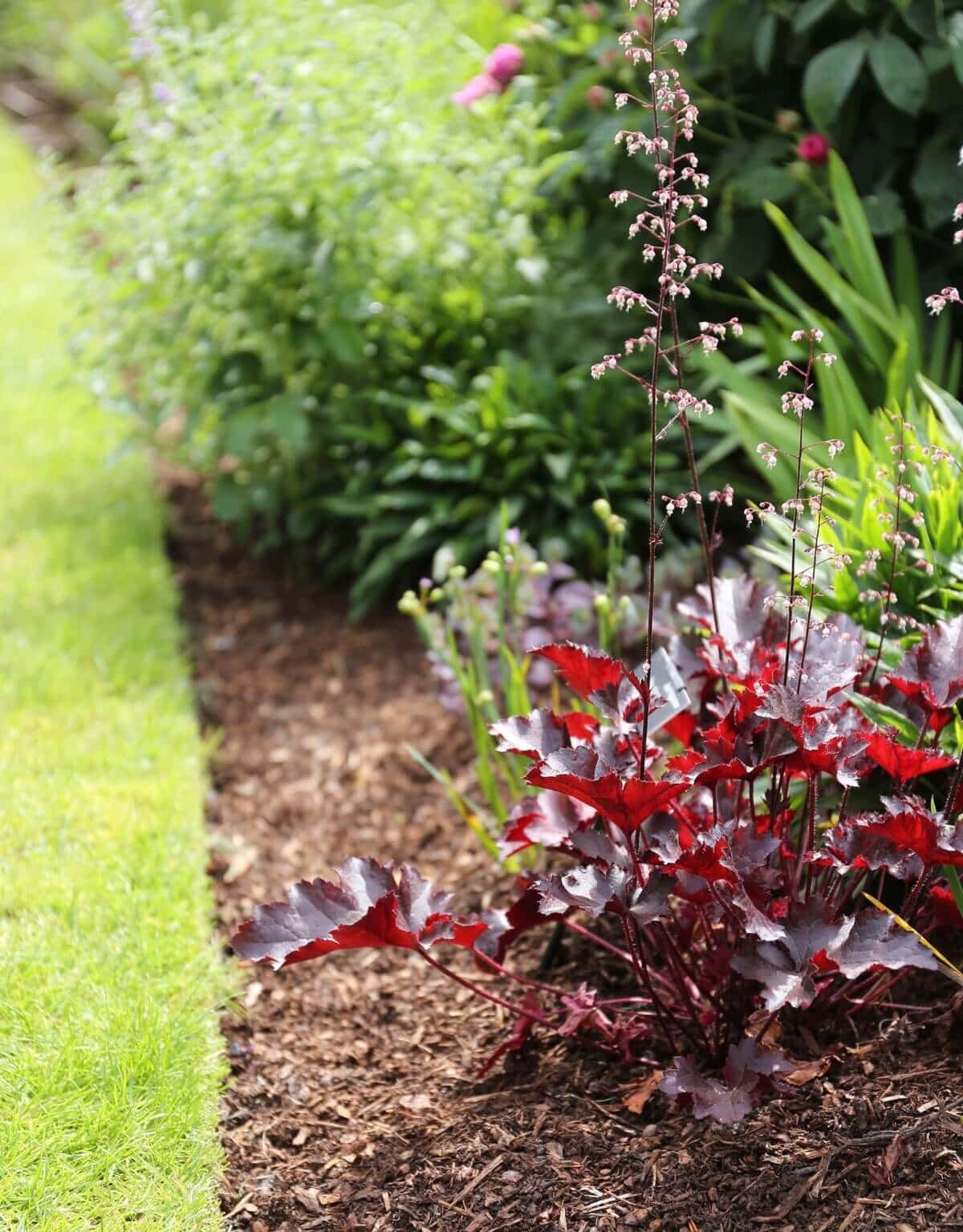
Mulch the Soil
Mulch has many benefits, and one of the big ones is weed suppression. Covering the soil with a 2” layer of fine-textured mulch (shredded leaves, compost or ground bark mulch) deprives weed seeds of light and will drastically reduce the number of them that can germinate. Plant-based mulches also help to conserve moisture, and improve the soil as they gradually decay. Both you and your plants can receive many benefits from mulching.
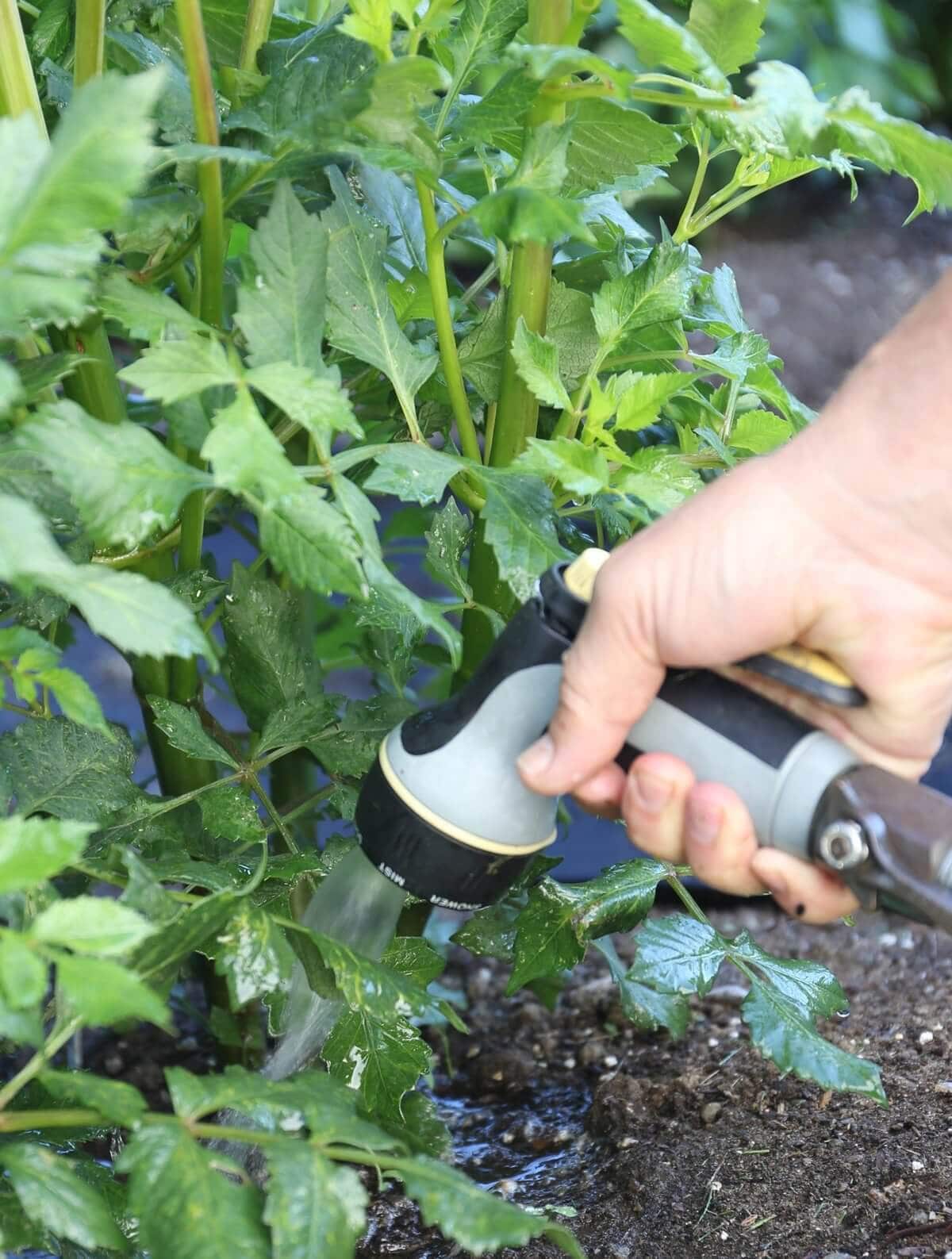
Pinpoint Watering
Weeds love overhead sprinklers because they don't discriminate. The weeds receive just as much water as the flowers. To minimize weed growth, focus irrigation water on desirable plants and avoid wetting nearby surfaces where weed seeds lie in wait. Though it’s relaxing to water in the “shower” setting on your hose nozzle, choose the pattern that delivers water most efficiently. Adding a wand makes it easier to direct water to specific plants without bending over.
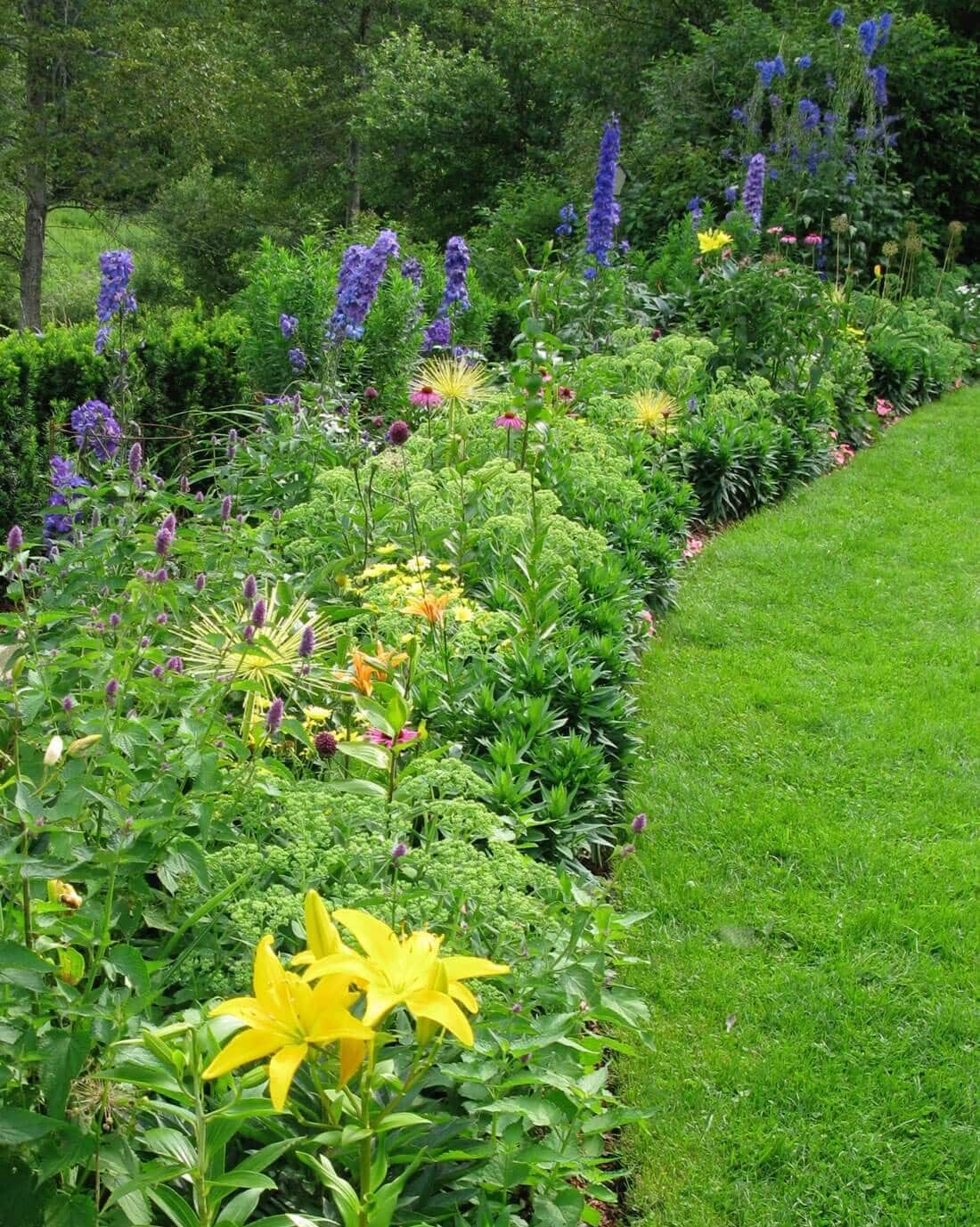
Plant Densely
Give weeds an inch and they'll take a foot. To keep them from getting started, strive for flower beds that are just short of crowded. The fuller they are, the more completely the foliage will shade the soil surface. And without light, most weed seeds won't germinate. Aim to have the foliage of one plant just touching the foliage of its neighbor. For more tips about tending a flower garden, you may be interested in reading: How to Water Your Plants and How and Why to Fertilize Your Plants.