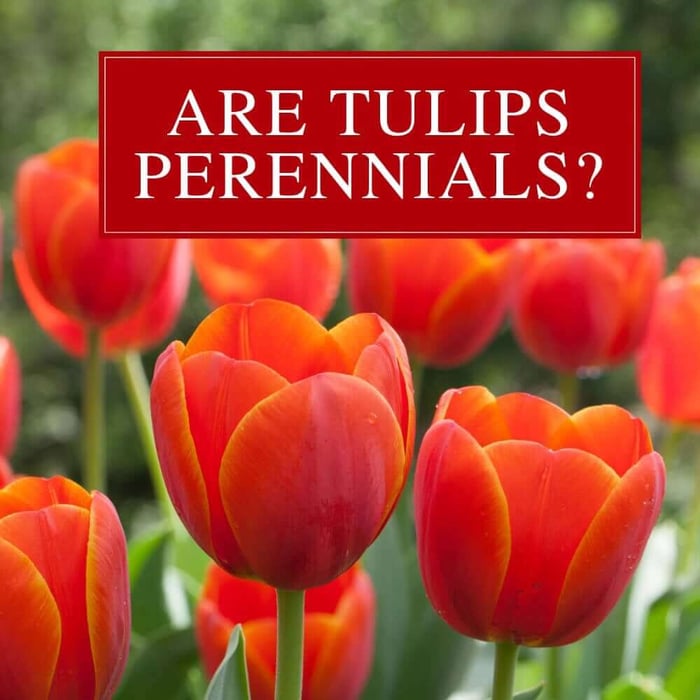
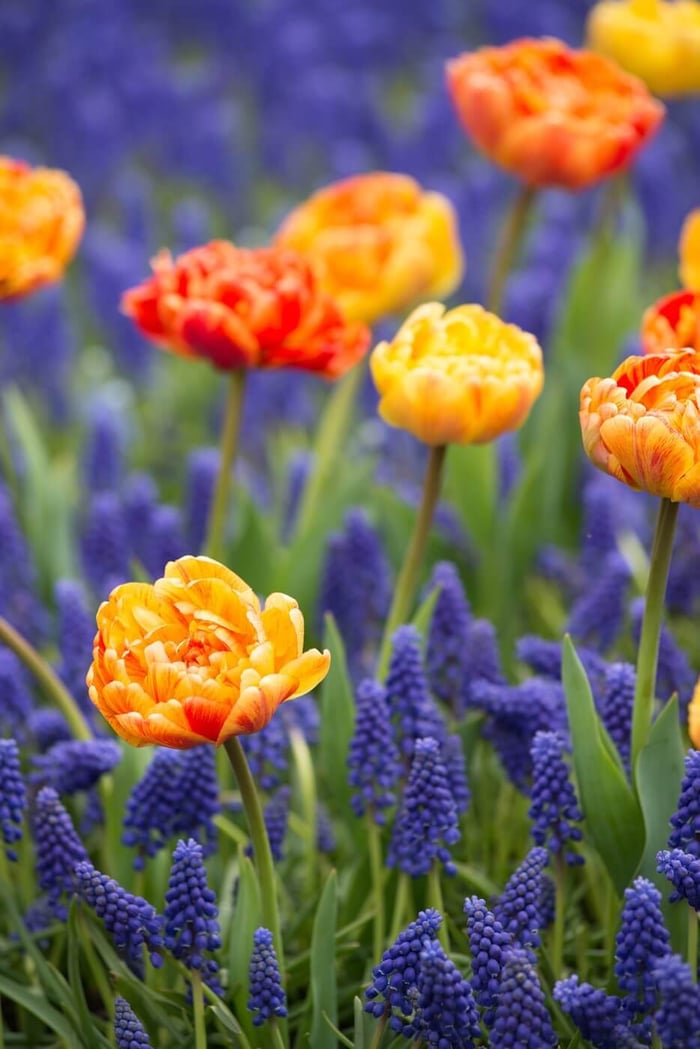
Gardeners often wonder if they can expect their tulips, daffodils, hyacinths and other spring-blooming bulbs to bloom for more than one year. Though this seems like a simple question, the most honest answer is… “it depends.”
For gardeners in England and other parts of the British Isles, there is far less confusion. Growing conditions are relatively consistent and match the needs of most spring bulbs. So whether it’s tulips and daffodils or anemones and fritillaria, these gardeners can usually expect their spring blooming bulbs to act like perennials.
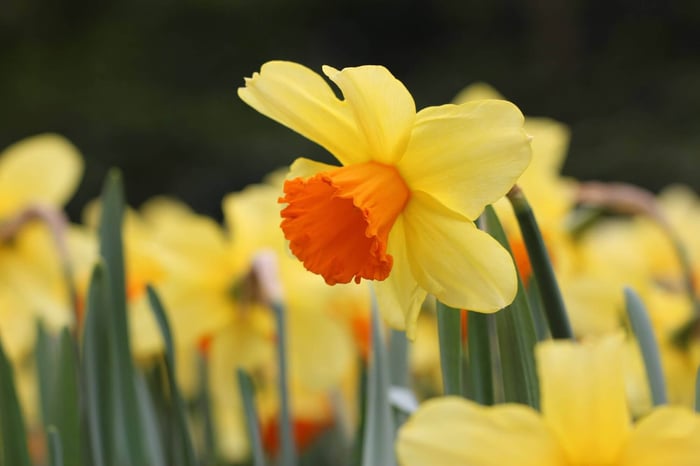
But in the U.S., we contend with growing conditions that are far more diverse. Soils, temperature extremes and precipitation amounts vary widely from state to state and even from county to county. This means bulbs that are perennial in your garden may not be perennial in mine. Sometime it's a hardiness issue, but there are also other growing conditions that determine whether bulbs are likely to settle in and stick around for awhile.
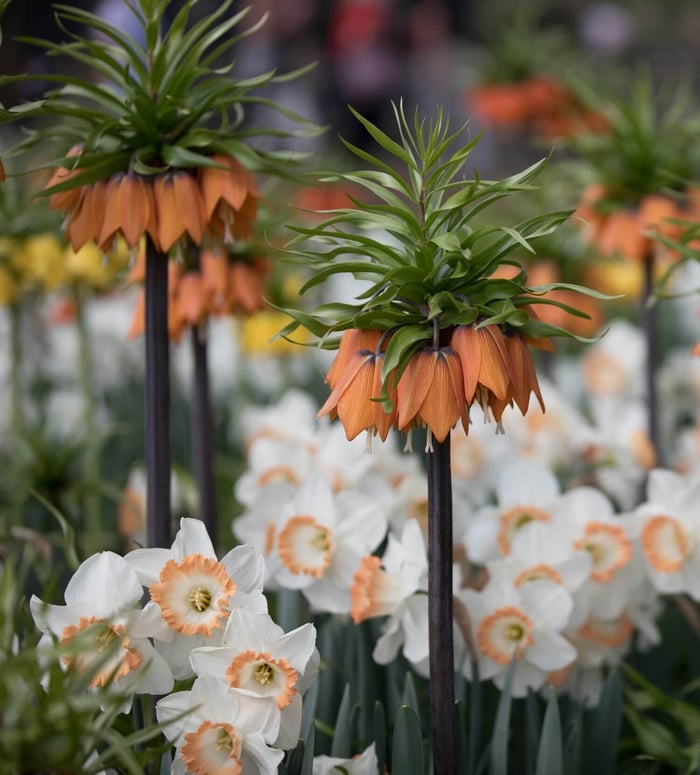
Well-Drained Soil is Best
In their natural habitat, most spring-blooming bulbs grow at high altitudes in thin, rocky soils that hold very little water. These soils tend to be cool and moist in spring when the snow is melting, but otherwise stay relatively dry, especially during summer and winter. This suits most spring-blooming bulbs perfectly. Moist soil when they're growing; dry soil when they are dormant.
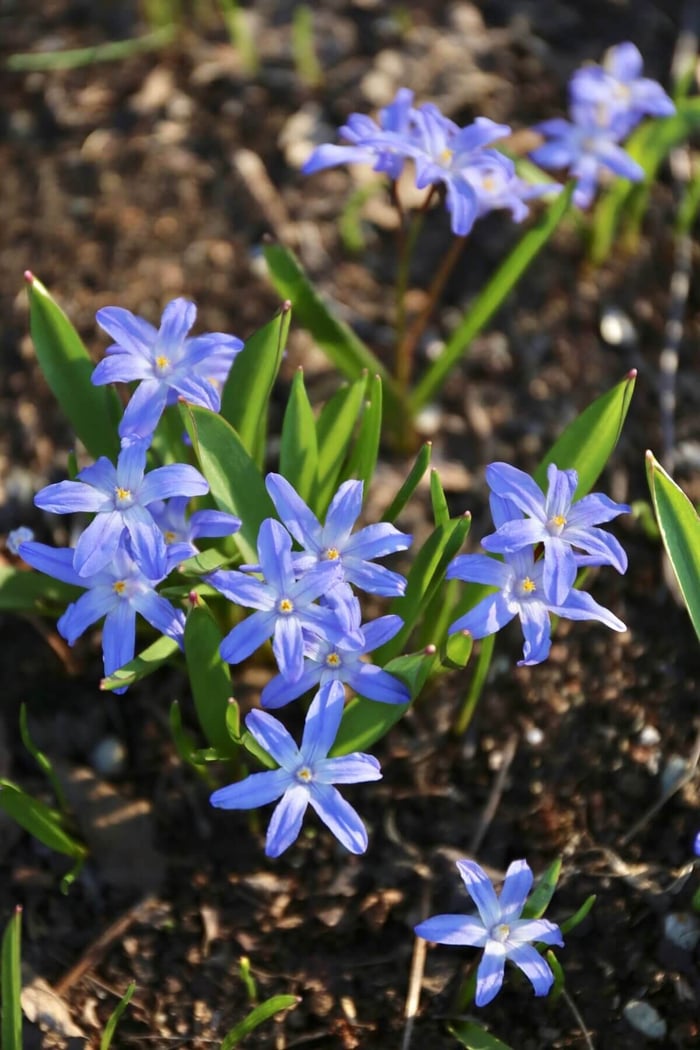 Cold Winters are a Good Thing
Most tulips, daffodils, hyacinths and other spring bulbs come from cold climates and need to go through a winter chilling period in order to complete their growth cycle. Without adequate chilling, the flowers may not be fully formed or the bulbs may not bloom at all.
If you live in a climate where winter temperatures don't stay below 40°F for at least 12 weeks, you must either plant bulbs that don't need a chilling period, or pre-chill your bulbs in a refrigerator and then plant them into the garden in late winter. Pre-chilled bulbs should be discarded after they bloom. Learn about pre-chilling and which bulbs do or don't need it here: How to Grow Spring Bulbs in Warm Climates.
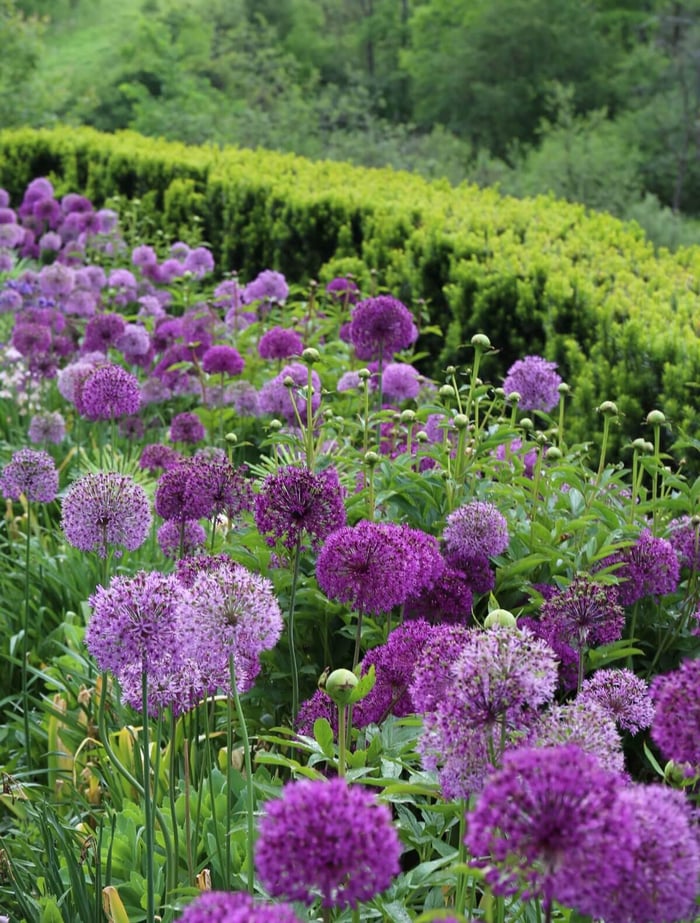
Spring Bulbs That Are Reliably Perennial
If you live in a cool climate and have well-drained soil, there are many spring bulbs that will bloom for at least 5 years, and in most cases will multiply over time. These include:
Scilla hyacinthoides (campanulata)
Leucojum (summer snowflake)
Narcissus (daffodils)
Scilla siberica (Siberian squill)
Galanthus elwesii (snowdrops)
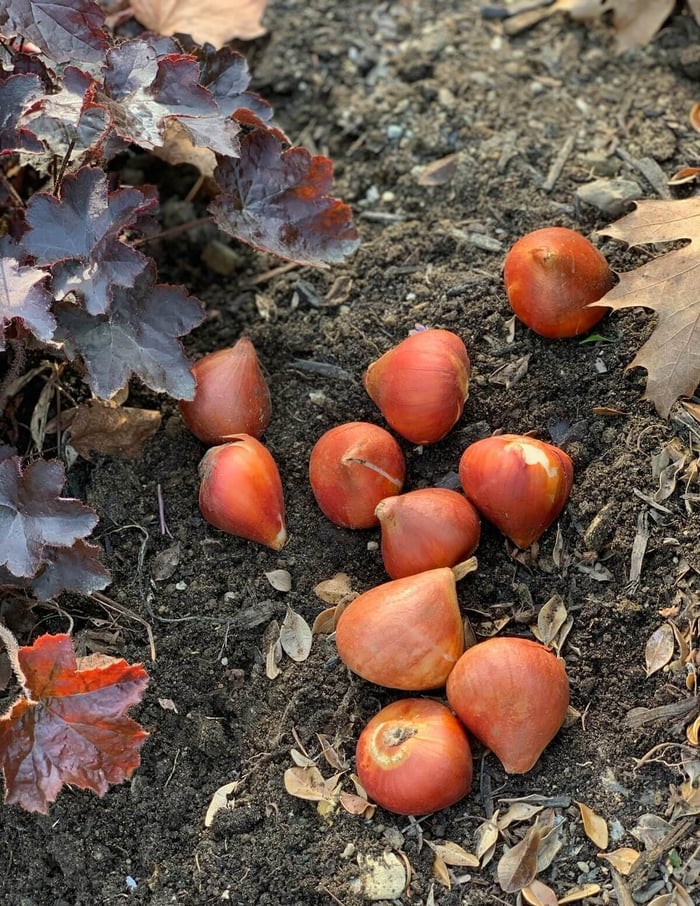
Spring Bulbs That Are Usually Perennial
Some bulbs will bloom for several years and then gradually decline. If the growing conditions are ideal (well-drained soil and dry, hot summers with little rain), they may carry on for much longer.
Fritillaria (most types)
Muscari (grape hyacinths)

Spring Bulbs That Should Usually Be Treated As Annuals
These bulbs always perform best the first spring after planting. In most U.S. growing conditions, the bulbs don't have enough energy to produce full size flowers for more than one spring.
To learn more about spring-blooming bulbs, read: How to Plan a Spring Bulb Garden, Planning and Selecting Fall-Planted Bulbs, and How To Care for Spring Flower Bulbs After They Bloom.