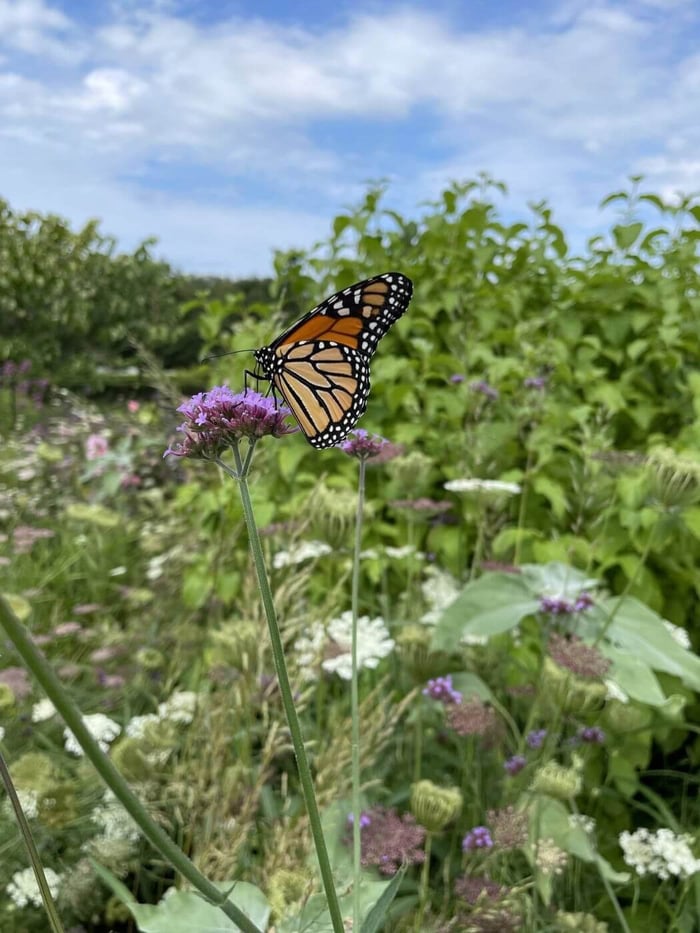

Butterflies are fascinating insects known for their vibrant colors and delicate wings. They undergo a remarkable transformation from egg to caterpillar to pupa, culminating in their emergence as beautiful adult butterflies. Their existence is intricately linked to specific host plants that serve as essential food sources for their larvae. In order to create a successful butterfly garden, it's important to include both host plants for butterfly larvae and nectar plants for adult butterflies. Here're a list of the best host plants for butterflies of the Northeastern United States.
Milkweed
The relationship between milkweed and Monarchs is a classic example of the interdependence between a host plant and butterfly. There are various species of milkweed, each with its own unique characteristics and distribution, but all of them serve as crucial host plants for Monarch butterflies. The female Monarch butterfly lays her tiny, white, oval-shaped eggs on the underside of milkweed leaves. The eggs are usually laid individually and are carefully placed on the plant. After a few days, the eggs hatch and small caterpillars known as larvae emerge.
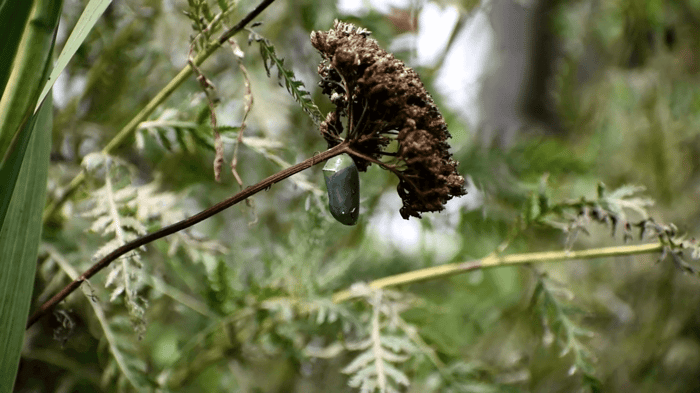
The Monarch caterpillars immediately begin to feed on the milkweed leaves. They have a voracious appetite and consume the leaves as their primary food source. However, what makes the milkweed-Monarch relationship truly remarkable is the presence of toxic compounds called cardenolides within the milkweed plant. As the caterpillars feed on the milkweed leaves, they ingest and store these toxic compounds within their bodies. These cardenolides make the caterpillars and subsequent adult butterflies unpalatable and even poisonous to many predators. This defense mechanism helps protect Monarchs from potential threats.
Willow
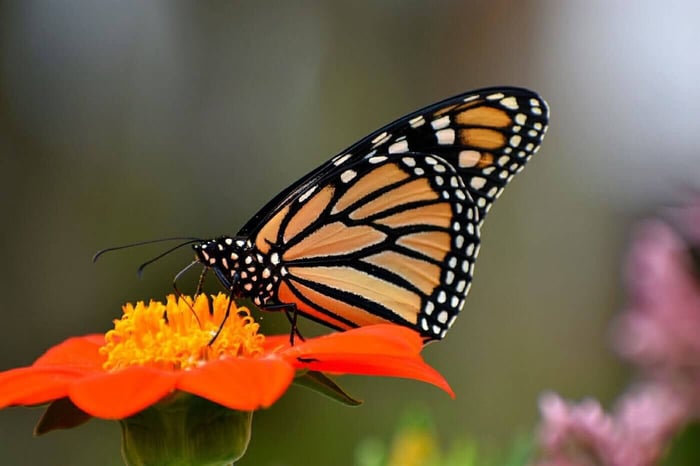
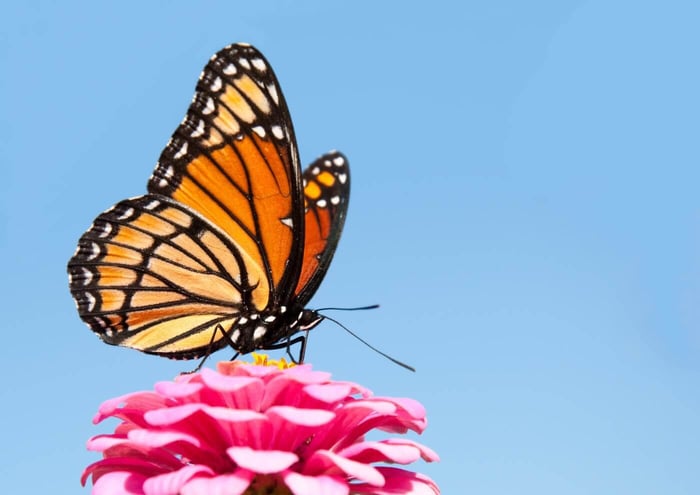
Willows are an important host plant for the Viceroy butterfly. The Viceroy butterfly is known for its striking orange-brown wings with black veins and white spots. It closely resembles the Monarch butterfly and has evolved to mimic its appearance, likely for protective purposes. Viceroy butterflies lay their eggs on the undersides of the willow leaves. Once the eggs hatch, the caterpillars feed on the willow leaves, utilizing them as their primary food source. In addition to serving as host plants, willow catkins also offer nectar sources for adult butterflies.
Pawpaw
Pawpaw is a small, deciduous tree native to the Eastern United States. It has large leaves and unique fruits. The fruits, called paw paws, are greenish-yellow and have a custard like texture with a subtle banana flavor.
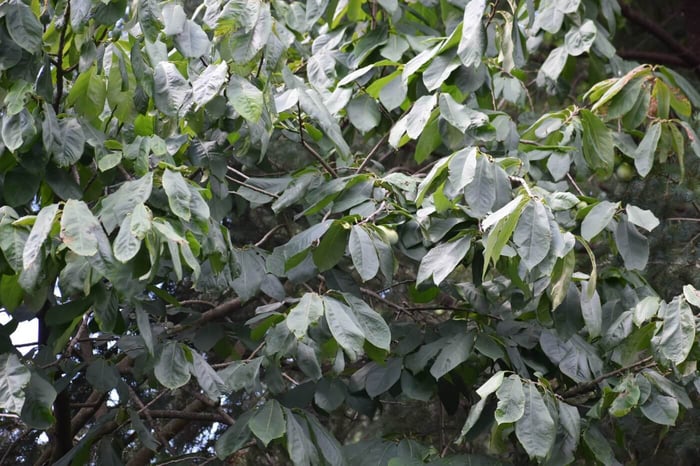
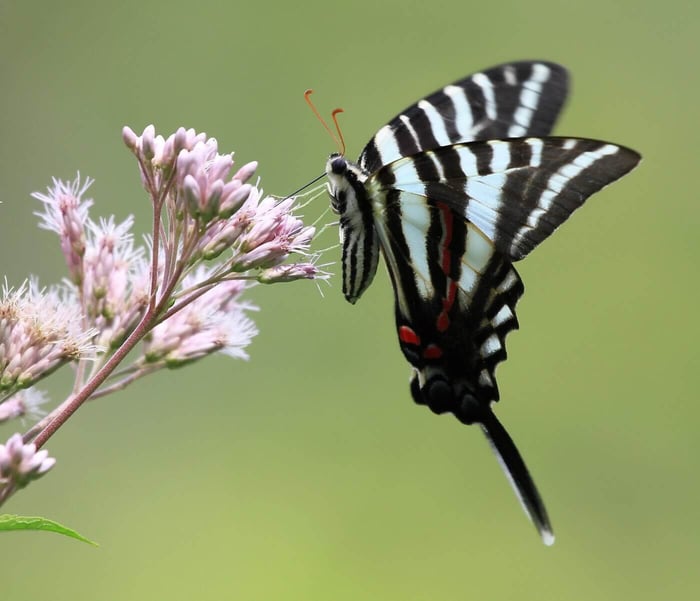
The pawpaw serves as a host plant for the Zebra Swallowtail butterfly. This butterfly has distinctive black and white striped wings and lays small, pale-yellow eggs on the underside of pawpaw leaves. Interestingly, the caterpillars of the Zebra Swallowtail butterfly mimic bird droppings which helps camouflage them from potential predators.
Hollyhock
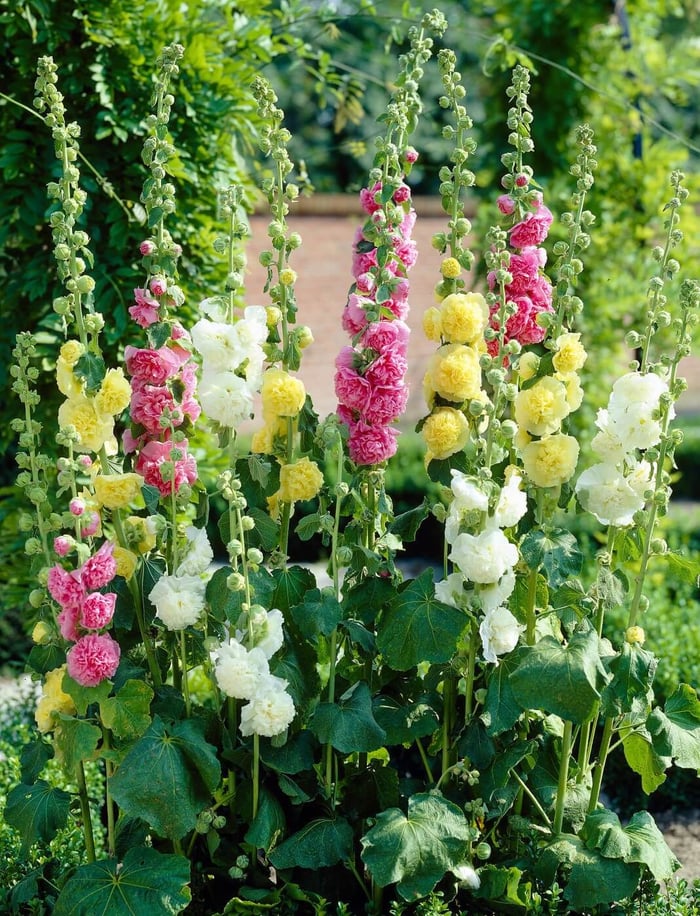
Hollyhocks are tall, flowering plants with showy cup-shaped blooms in various colors. They are members of the mallow family and act as a host plant for the Painted Lady butterfly. This butterfly has striking orange-brown wings adorned with black and white spots. Painted Lady butterflies lay their tiny yellow eggs on hollyhock leaves usually near the top of the plants. After a few days the caterpillars emerge and consume the foliage. The adult butterfly primarily feeds on nectar from blazing star, cosmos, New England aster, Joe-pye weed, Mexican sunflower, zinnias, and purple coneflower.
Serviceberry
Serviceberry, also known as Juneberry, is a small tree or shrub with edible berries that taste like blueberries. It has lovely white blooms in very early spring and the foliage turns a vibrant orange or red in the fall.
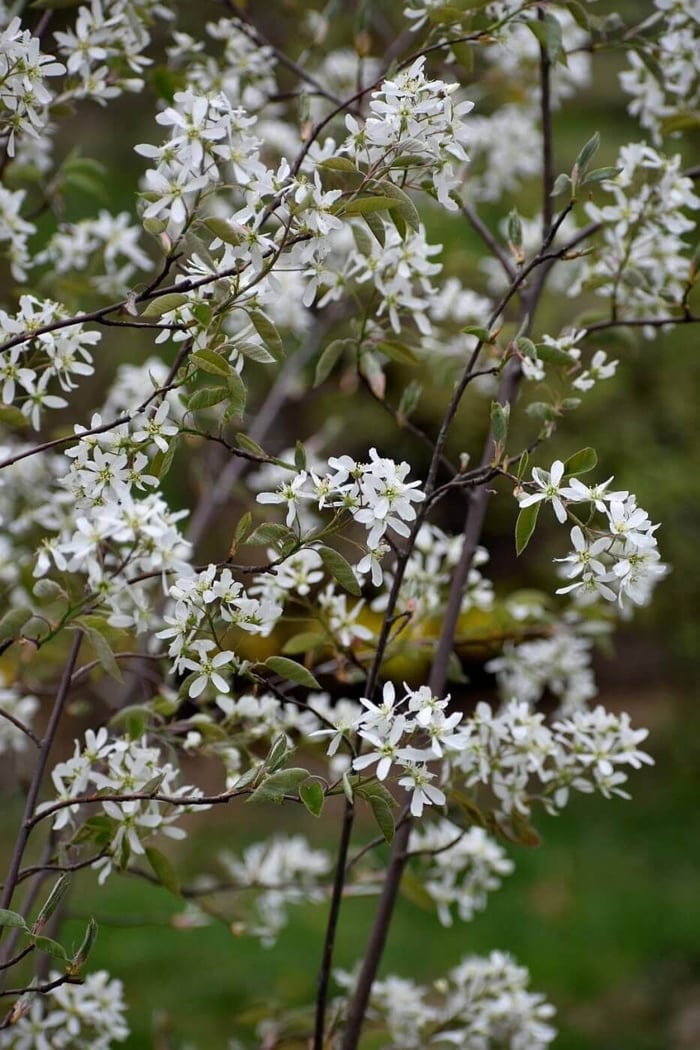
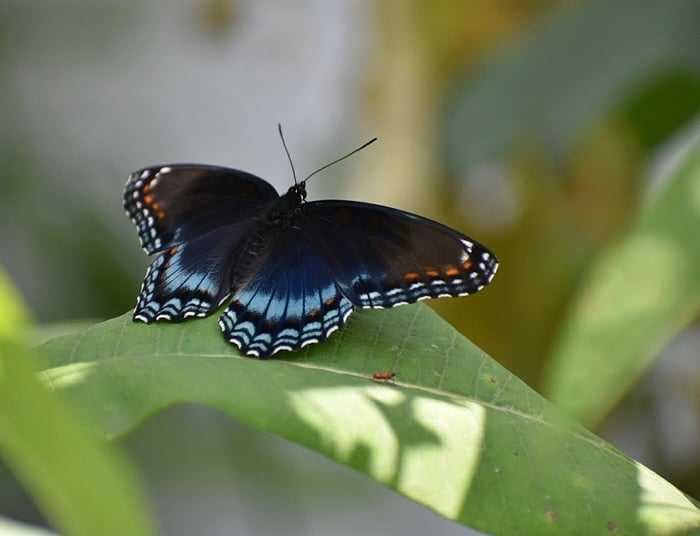
Serviceberries serve as a host plant for the Red-Spotted Purple butterfly. The Red-Spotted Purple lays its eggs on the upper surface of serviceberry leaves, and the caterpillars feed on the plant's foliage. The Red-Spotted Purple butterfly also uses cherry, willow, and poplar as secondary host plants.
Parsley
Parsley is a biennial herb with distinctive curly or flat leaves commonly used in culinary applications. It serves as a host plant for the Eastern Black Swallowtail butterfly. This native North America butterfly exhibits sexual dimorphism, with males and females displaying distinct differences in their wing patterns. The males typically have more yellow on their wings, while females have more blue and black markings.
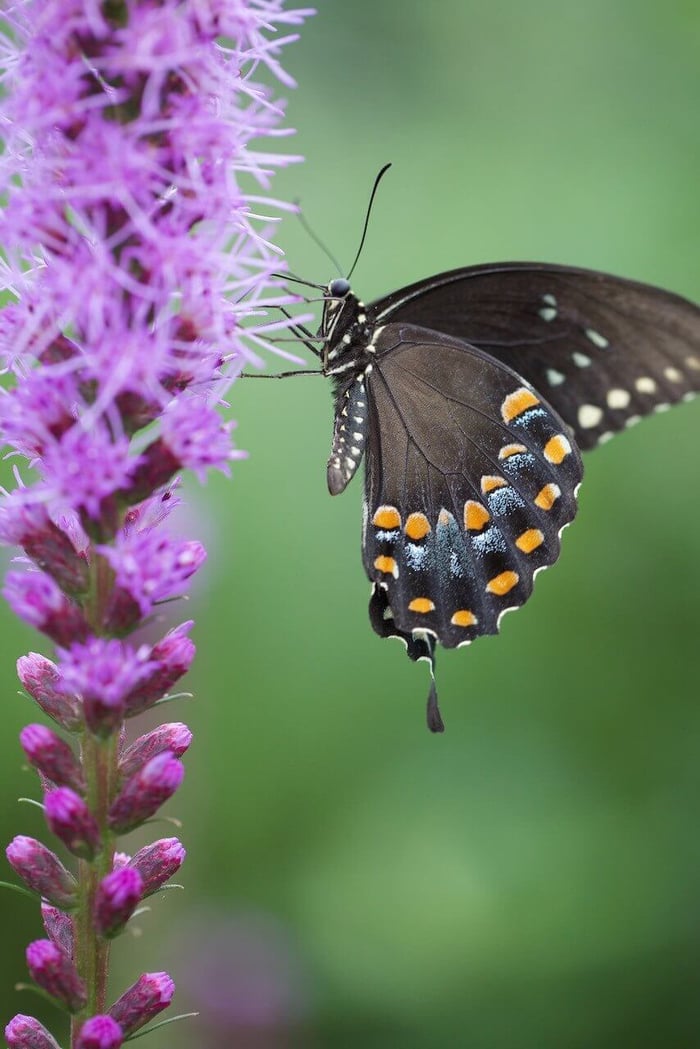
Eastern Black Swallowtail butterfly eggs are small, spherical, and pale green in color, providing effective camouflage against predators. The number of eggs laid can vary, and the female may choose multiple parsley plants to distribute her eggs.
While parsley is a favored host plant for the Eastern Black Swallowtail, it is not the exclusive choice. This butterfly species can also utilize other plants within the Apiaceae family, such as dill, fennel, and carrot. Such adaptability allows the eastern black swallowtail to find suitable host plants in various habitats and ensures its survival and reproduction.
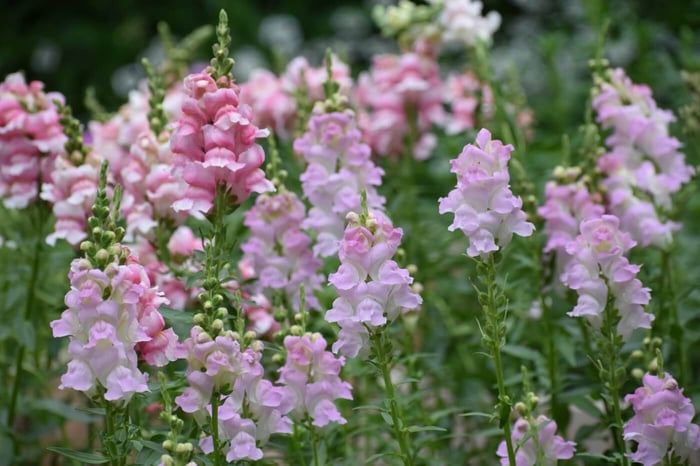
Snapdragon
Snapdragons are flowering plants known for their colorful, spikey blooms which can be opened by gently pressing on their sides. Snapdragons act as a host plant for the Common Buckeye butterfly. This butterfly has large, prominent eyespots on its wings and a unique pattern of colors, including various shades of brown, orange, and black.
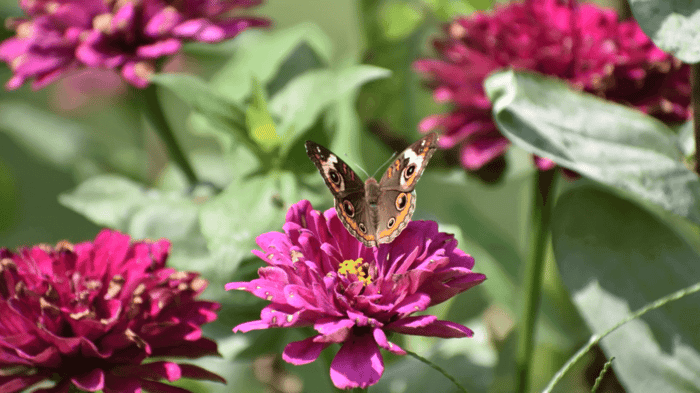
While snapdragons are the preferred host plants for Common Buckeye butterflies, they aren't entirely dependent on them. They also utilize plants belonging to the genera Plantago and Verbena, as secondary host plants. This adaptability allows them to reproduce in areas where snapdragons may be scarce.
There are many additional host plants which support butterfly populations. Since butterfly species vary by region it's best to contact your local extension office for location-specific information.