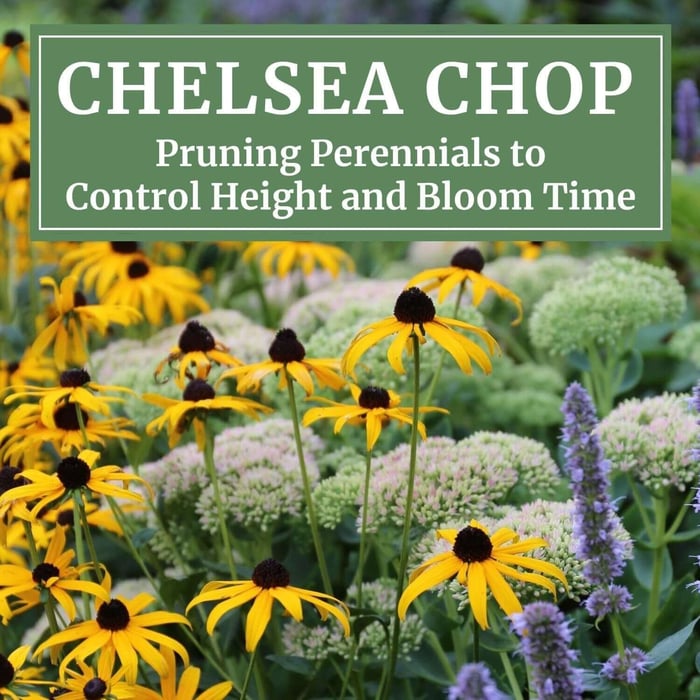
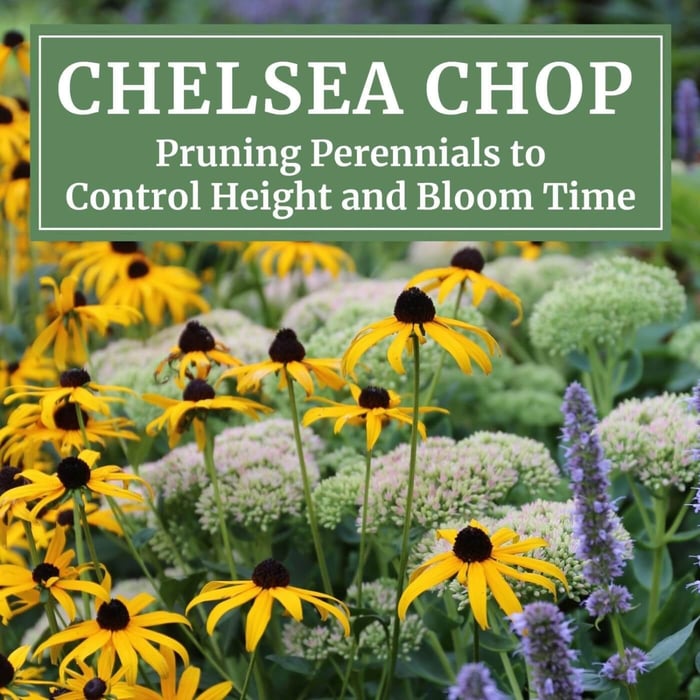
Would you trade an hour of pruning in May for an extra three weeks of flowers in late summer? If so, you may want to try doing the Chelsea Chop. This pruning technique is used to control the growth habit and/or extend the normal flowering period of certain types of perennials. The name comes from England’s most famous flower show, which is held in late May, around the time this type of pruning is done. 
Only certain perennials are eligible for the Chelsea Chop. If you grow any of the following plants, read on to learn about the pros and cons of this technique and how to make the cuts: Achillea, Anthemis tinctoria (golden marguerite), Artemisia, Aster, Campanula, Cranesbill (hardy geranium), Echinacea (coneflower), Eupatorium (Joe Pye weed), Helenium, Helianthus (perennial types), Iberis (candytuft), Monarda, Nepeta (catmint), Penstemon, Phlox paniculata (garden phlox), Rudbeckia (black-eyed Susan), Sedum (upright forms), Solidago (goldenrod) and Veronicastrum.
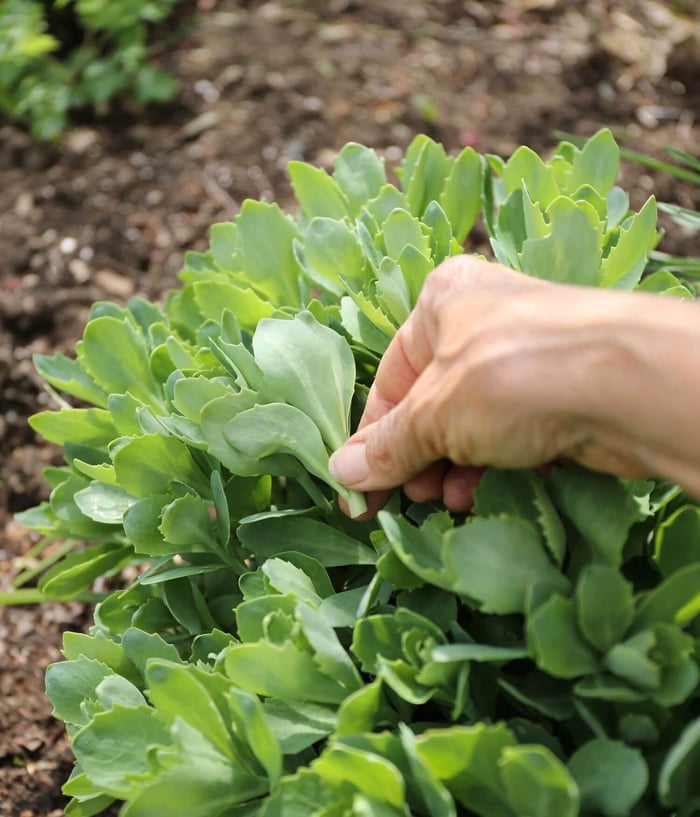 The goal of the Chelsea Chop is to remove the top 1/3 of the stem.
How to Do the Chelsea Chop
The idea is to reduce the plant’s height by about 1/3 while it is still young and in active growth. This will give it a shorter, bushier habit, and will delay the bloom time by a week or more. There are several different techniques, described below, depending on the results you want to achieve. For a relatively small garden, you can do the Chelsea Chop with nothing more than pruning shears or garden scissors. For a bigger garden, it’s nice to have hedge shears.
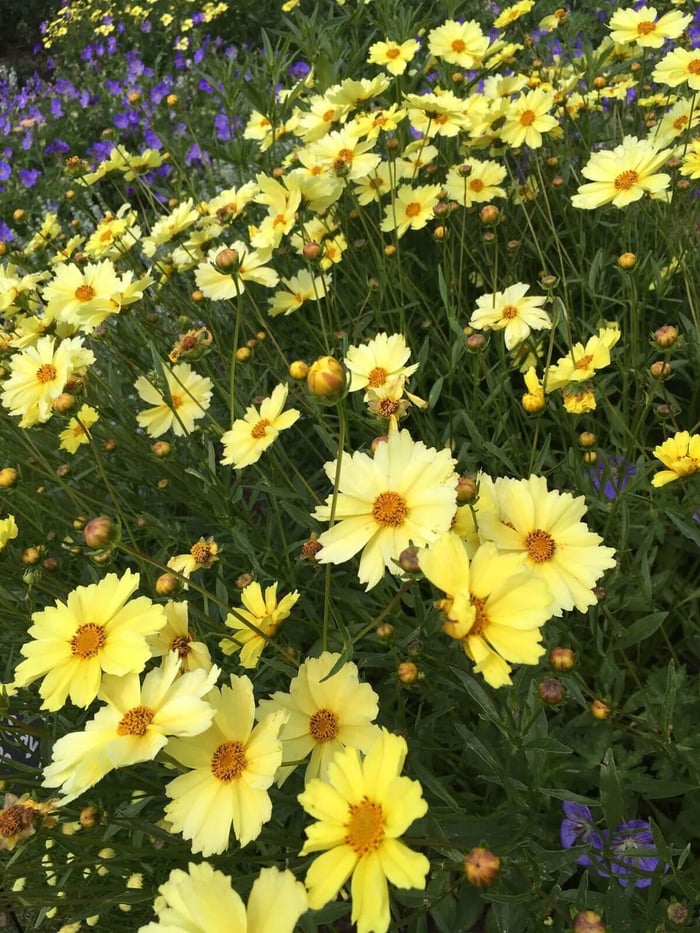 Coreopsis is a good candidate for the Chelsea Chop.
4 Good Reasons to Do the Chelsea Chop
Pruning to Control Size
If you have an established plant that’s become too big for its allotted space, late spring pruning can help keep it from overshadowing its neighbors. Bloom time will be delayed by a couple of weeks but having a tidier plant could be a good trade-off. When the plant reaches about one-third of its ultimate height (usually by late May), shear off the top third of the plant's stems. Good candidates for this treatment include artemisia, nepeta, upright sedum and anthemis (golden marguerite).
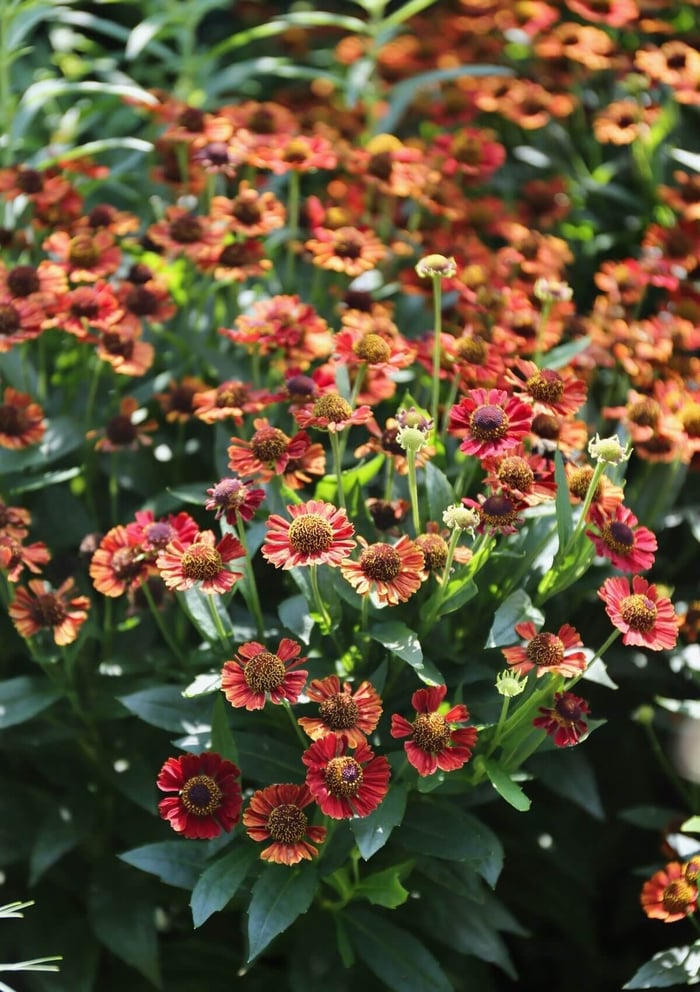 The Chelsea Chop delayed this helenium's normal flowering time by about 10 days. The big benefit was a stockier plant that stayed upright when it was in bloom.
Pruning to Control Height
Giving tall perennials the Chelsea chop keeps them more compact so they are less likely to topple over in late summer and fall. I find that many of these plants, including eupatorium, helianthus, helenium and veronicastrum, also look better when they are more in proportion to what's growing nearby.
If your primary goal is to reduce the plant's height, simply cut back all the stems by about 1/3. The cut stems will produce side shoots and then set buds on those shorter stems. Timing for this technique should be as above, when the plant has reached about a third of its mature height.
Pruning to Delay Flowering
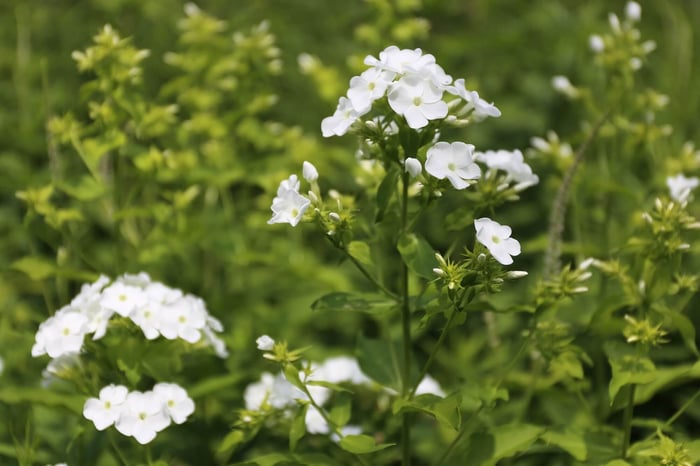
The Chelsea Chop can also be used to delay bloom time. This is something to consider if you have a late season event planned, will be away during the plant's normal bloom time, or want to coordinate flowering with other perennials. Cutting back the entire plant by 1/3 in late May or early June will typically delay flowering by 2 to 3 weeks. Good candidates for this technique include coreopsis, phlox paniculata, monarda, heliopsis, nepeta, Shasta daisies, asters and helenium.

Pruning to Extend Flowering
A slightly different pruning technique is used to prolong bloom time. In this case, the goal is to achieve a layered effect by varying the height and location of your cuts. Selectively cut back 1/3 of the plant's stems by half, 1/3 of the stems by a third, and leave 1/3 of the stems uncut.
Plants that respond well to this treatment are the same as those listed in the section directly above for pruning to delay flowering. Note: If your primary goal is to extend the flowering period, be sure to remove the first flush of blooms right after they fade. If you don’t, these spent blossoms will tell the plant it's time to switch from flowering to seed production and you'll lose any benefit from having done the Chelsea Chop.
Other In-Season Techniques for Pruning Perennials
Depending on your location, by about the second week of June, it's too late to do the Chelsea Chop. But don't put your pruning shears away quite yet. Read on for a few more in-season pruning techniques.
Removing Spent Flower Stalks
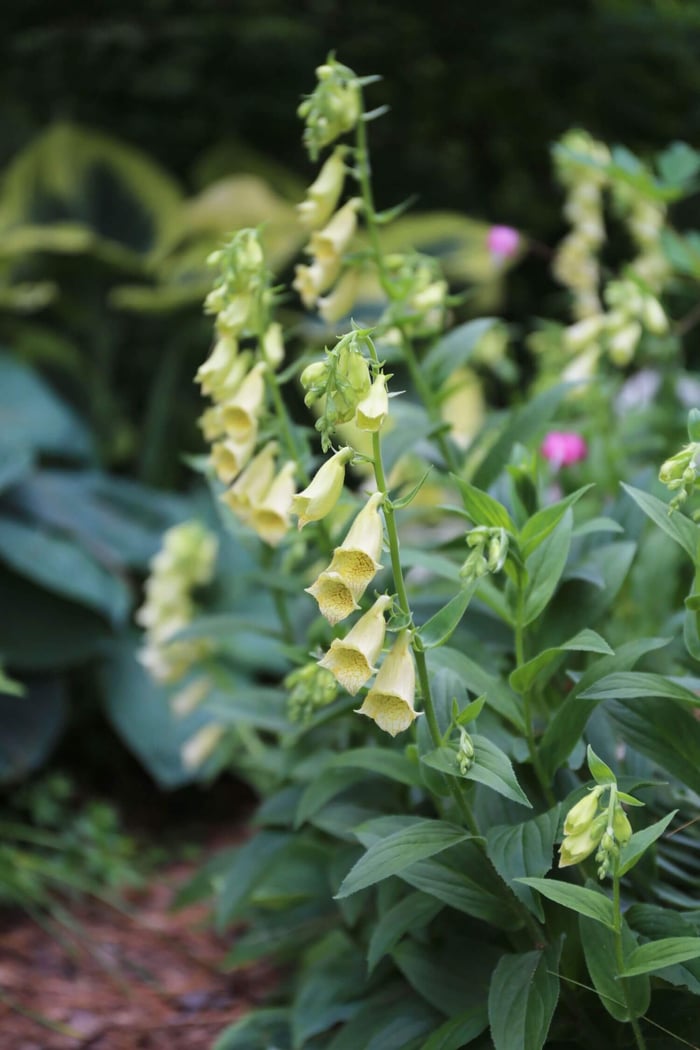
Foxgloves, delphiniums, lupins and hollyhocks typically produce just a couple of primary flower stalks. After the blossoms fade, pruning these stalks back to the ground will often initiate another round of flowers. And, even if the plants don’t re-bloom, removing the spent flower stalks will help the plants look neater and retain their vigor.
Cut the stems close to the base of the plant, leaving the foliage intact. In addition to the plants mentioned above, you can also use this technique with daylilies and upright campanulas.
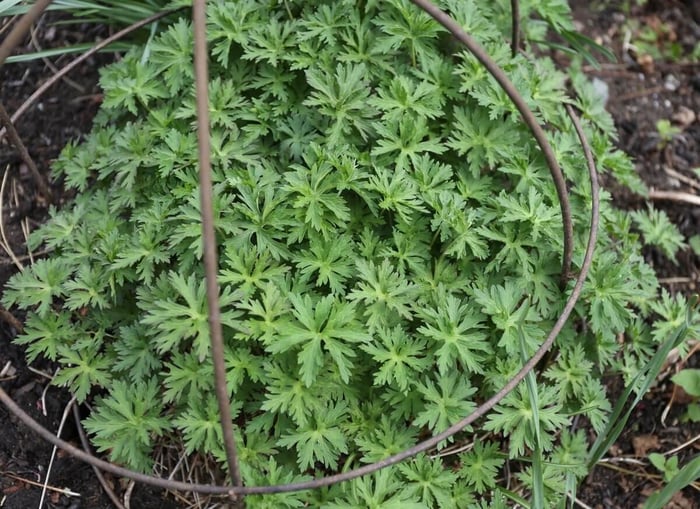 Mounding plants like cranesbill geranium ‘Johnson's Blue’ often flop open after they finish blooming. Shearing off most of that foliage will initiate a new flush of growth, giving you a tidier, better-looking plant for the remainder of the season.
Refreshing Tired Foliage
Mounding perennials that bloom in early summer, such as cranesbill and nepeta usually look pretty scraggly by midsummer. Shearing off the old foliage will stimulate a flush of fresh leaves and often a second round of flowers. Use hedge shears or hand clippers to save time, and follow up with a splash of liquid fertilizer to help the plant recover.
This shearing technique also works well for achillea, lamium, aquilegia, threadleaf coreopsis, alchemilla, epimedium, pulmonaria and brunnera. (Note: If you grow aquilegia and want it to self-sow, wait to shear until after the seed pods have ripened.)
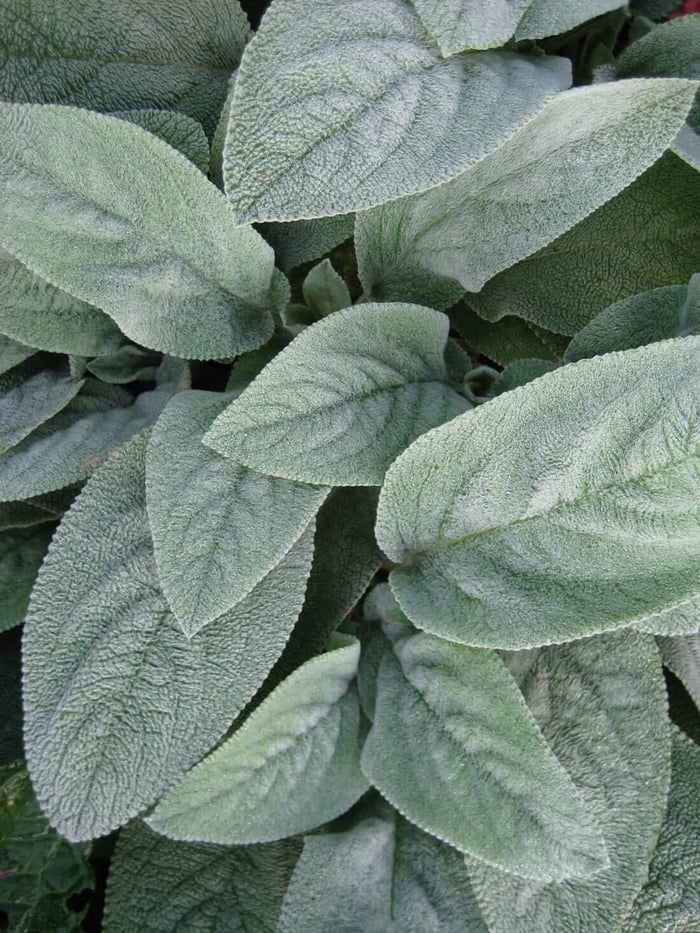
Some perennials, such as stachys (lamb's ears) and hosta, are grown for their foliage rather than their flowers. If you feel the flowers detract from the look you're going for, feel free to remove them either before or after they bloom.
Cautionary Tips for Pruning Perennials
- Plants that get the Chelsea Chop may produce smaller flowers, but you’ll usually get more of them.
- The longer you wait before making these cuts, the later the plants will bloom. If you have a short growing season, do your chopping before the end of May.
- Make cuts using sharp, clean scissors, pruning shears or hedge shears. Clean cuts mean less plant stress and quicker healing.
To learn more about caring for your perennial garden, read: Midsummer Maintenance Tips for Perennial Gardens and How to Select Perennials for All Season Color.