

Introduction
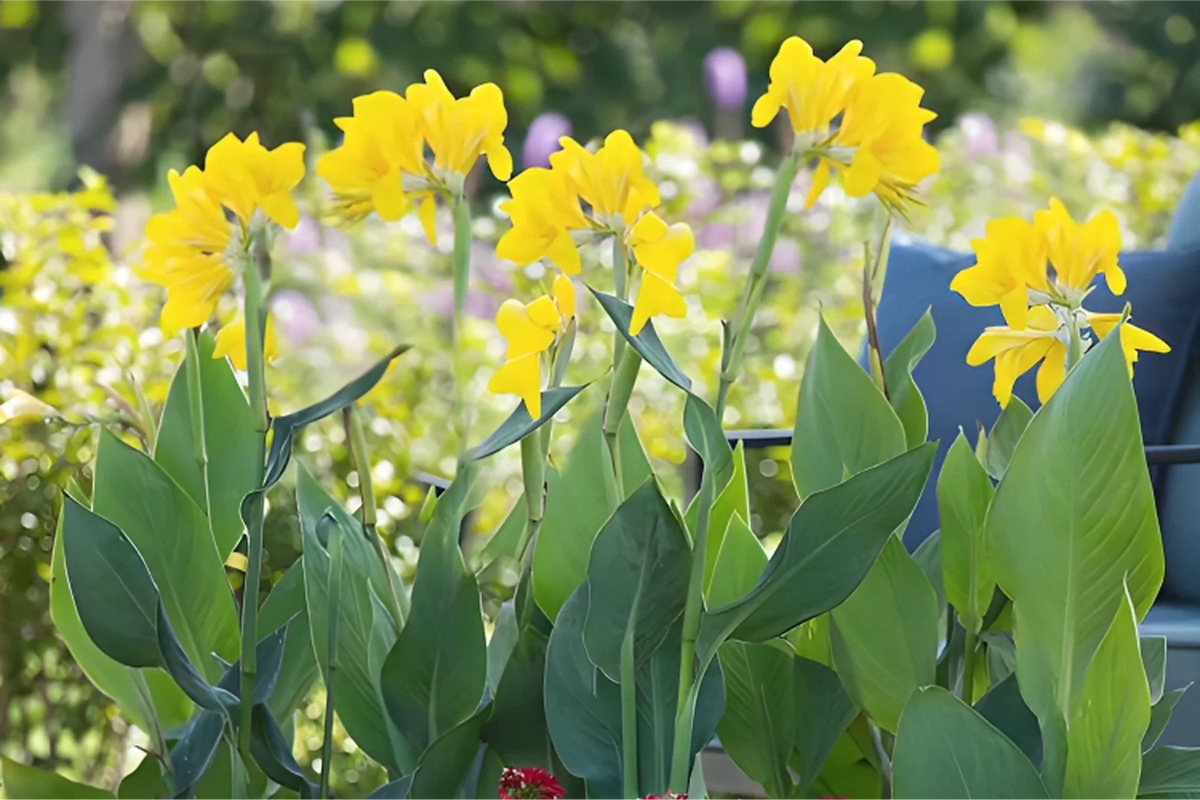
Imagine stepping into your backyard and being greeted by towering, banana-like leaves and glowing, sunset-colored blooms that last all summer. This tropical dream is easy to achieve with canna lilies, especially for those living in USDA hardiness zone 8. For a shopping starting point, browse our Tall Cannas. (longfield-gardens.com)
Because we enjoy helping gardeners bring this vibrant energy to their own landscapes, we have put together this guide to ensure your planting journey is a success. At Longfield Gardens, we know that timing is the most important factor when it comes to getting these heat-loving plants off to a strong start. Zone 8 offers a long, favorable growing season, but there are specific environmental cues you should look for before tucking your rhizomes into the earth. If you want an easy bulk option, see the Canna Assorted Mix - Bulk Offer. (longfield-gardens.com)
In this article, we will cover the ideal planting window for zone 8, how to check your soil temperature, and the best practices for site preparation to ensure your cannas thrive from spring through the first frost. By understanding the local climate and the needs of the plant, you can enjoy a season filled with bold textures and brilliant colors. If you want to confirm your zone, check the Hardiness Zone Map. (longfield-gardens.com)
Understanding the Zone 8 Planting Window
Gardeners in zone 8 are in a privileged position when it comes to growing cannas. This zone, which includes much of the American South, parts of the Pacific Northwest, and sections of the Southwest, typically experiences mild winters and long, hot summers. This is exactly what cannas crave. However, even though your region might feel warm in early March, the soil often takes a bit longer to catch up with the air temperature.
The ideal time to plant canna rhizomes in zone 8 is generally between late March and early May. The goal is to wait until the danger of a hard frost has completely passed and the ground has shifted from the cold dampness of winter to the welcoming warmth of spring. Planting too early in cold, wet soil can cause the rhizome to sit idle, which increases the chance of rot before the plant even has a chance to sprout.
When you wait for the right environmental cues, you are setting the stage for a much faster growth rate. A rhizome planted in warm soil in mid-April will often catch up to and even surpass one planted in cold soil in early March. Patience during the first few weeks of spring pays off with healthier plants and earlier blooms.


The Role of Soil Temperature
The most reliable way to determine when to plant is by monitoring the temperature of your soil rather than the date on the calendar. Cannas are tropical plants at heart, and their biological "alarm clock" is set to go off once the ground reaches a consistent 60°F.
Measuring this is a simple process. You can use a basic soil thermometer or even a kitchen thermometer. Simply insert it about two to three inches deep into the area where you plan to plant. For the most accurate reading, check the temperature in the morning over three consecutive days. If the average is consistently at or above 60°F, your garden is ready.
In zone 8, the soil typically hits this milestone a few weeks after the last frost date. If you see your neighbors starting to plant their tomatoes or peppers, it is usually a safe bet that the ground is warm enough for your cannas as well. These plants share a similar love for warm "feet," and their growth will be much more vigorous when the soil provides that initial boost of heat.
Why 60°F is the Magic Number
At 60°F, the enzymes within the canna rhizome become active. This triggers the eyes (the small, pointed growth nodes) to begin pushing out roots and shoots. If the soil is significantly colder, the plant remains dormant. In a dormant state, the rhizome cannot take up water or nutrients, leaving it vulnerable to soil-borne fungi. By waiting for that 60°F mark, you ensure the plant wakes up immediately and begins its journey toward the sun.
Key Takeaway: Soil temperature is the most accurate guide for planting. Wait for a consistent 60°F to ensure your canna rhizomes sprout quickly and grow with maximum vigor.
Navigating the Last Frost Date in Zone 8
While soil temperature is the primary driver, the air temperature still plays a supporting role. Zone 8 is known for its "false springs," where a week of 70°F weather is suddenly followed by a late-season frost. While canna rhizomes are buried underground and protected from a light frost, the tender new shoots that emerge are very sensitive to freezing temperatures.
The average last frost date for zone 8 usually falls between mid-March and early April, depending on your specific location. It is helpful to check with your local agricultural extension office for the most accurate date for your county. Once you are past this date, the risk of a killing frost drops significantly.
If you have already planted your cannas and a surprise frost is predicted, do not worry. You can simply cover the planting area with a layer of mulch, an old blanket, or a plastic bucket overnight. This traps the heat from the soil and protects any emerging green tips from being nipped by the cold. Once the sun comes up and temperatures rise, you can remove the cover, and your plants will continue their growth uninterrupted.
Starting Cannas Early Indoors
If you are eager to see those massive leaves even earlier in the season, you can give your cannas a "head start" by starting them indoors. This is a popular technique for gardeners who want to maximize the blooming period. In zone 8, you can start this process about four to six weeks before your expected last frost date. For a step-by-step version of this approach, see Starting Canna Lily Bulbs Indoors. (longfield-gardens.com)
To do this, plant your rhizomes in pots filled with a high-quality, well-draining potting mix. Keep the pots in a warm spot, such as near a sunny window or on top of a heat mat. Because the indoor environment is controlled, the rhizomes will wake up and start growing regardless of the outdoor weather.
By the time the soil outdoors reaches 60°F, you will have a small plant with established roots and several inches of green growth. When you transition these plants to the garden, they will be several weeks ahead of rhizomes planted directly in the ground. This often results in flowers appearing by early summer rather than mid-summer.
Tips for Transitioning Indoors to Outdoors
- Hardening Off: Just like vegetable starts, indoor-grown cannas need to get used to the sun and wind. Spend a week slowly increasing their time outdoors before planting them permanently.
- Handling Roots: Be gentle when removing the plant from its pot. Canna roots are fleshy and can be brittle.
- Watering: Ensure the indoor plants are well-watered before transplanting to reduce shock.
Selecting the Best Spot in a Zone 8 Garden
In the context of zone 8, "when" you plant is closely tied to "where" you plant. Because your region experiences intense summer heat, the location you choose will affect how early the soil warms up and how well the plant performs in July and August.
For the earliest start, choose a spot with full sun exposure—at least six to eight hours of direct sunlight per day. South-facing areas or spots near a brick wall or stone path often stay warmer than the rest of the garden. This "microclimate" can allow you to plant a week or two earlier than you might in a shaded or low-lying part of the yard.
Cannas are not picky about soil type, but they do have a strong preference for moisture and nutrients. In zone 8, where summer evaporation rates are high, it is beneficial to choose a spot where you can easily provide consistent water. While they love moisture, they do not like to sit in stagnant, waterlogged soil. Good drainage is key to preventing the rhizomes from rotting during the wet spring months. If you prefer a compact look, Short Cannas are a good fit. (longfield-gardens.com)
Preparing the Soil for Planting
Before you put your rhizomes in the ground, taking a few minutes to prepare the soil will make a world of difference in the speed of growth. Cannas are what gardeners call "heavy feeders," meaning they require a lot of nutrients to produce their large leaves and flowers.
Start by loosening the soil to a depth of about 8 to 12 inches. This makes it easy for the new roots to spread out and establish a strong foundation. This is also the perfect time to mix in some organic matter. Compost, well-rotted manure, or leaf mold are excellent choices. These amendments improve the soil structure, help it retain the right amount of moisture, and provide a slow-release source of nutrients.
In zone 8, where soils can sometimes be sandy or heavy clay, adding organic matter helps balance the texture. If your soil is very sandy, compost helps hold onto water so the cannas don't dry out. If it is heavy clay, compost helps create air pockets so the roots can breathe.
What to Do Next: Soil Preparation
- Clear the area of any weeds or debris that might compete with the young plants.
- Dig in 2 to 3 inches of compost or aged manure to enrich the planting site.
- If your soil is particularly poor, consider adding a balanced, slow-release fertilizer according to the package directions.
- Check that the area doesn't have standing water after a rainstorm.
Planting Depth and Spacing for Success
Once the timing is right and the soil is prepared, the actual planting process is straightforward. Getting the depth and spacing correct is a simple "win" that ensures your cannas have the room they need to reach their full potential.
Planting Depth
Dig a hole about 4 to 6 inches deep. Place the rhizome horizontally in the hole. You will see small bumps or points on the rhizome—these are the "eyes." While it is ideal to point these eyes upward, do not worry if you can't tell which way is up. The plant is smart enough to find the surface on its own. Cover the rhizome with 2 to 3 inches of soil and firm it down gently with your hands to remove any large air pockets.
Spacing
Spacing depends on the variety of canna you are planting. At Longfield Gardens, we offer everything from dwarf varieties to towering giants.
- Tall varieties: Space these about 2 feet apart. They need room for their large leaves to unfurl without being shaded out by their neighbors.
- Dwarf and medium varieties: These can be spaced 12 to 18 inches apart. For mid-sized plantings, browse Medium Cannas. (longfield-gardens.com)
Giving them enough space ensures good air circulation, which helps keep the foliage looking clean and healthy throughout the humid zone 8 summer.
Key Takeaway: Planting cannas at the correct depth (4-6 inches) and providing enough space (1-2 feet) allows them to establish a massive root system and produce a stunning canopy of leaves.
Watering and Initial Growth
After the rhizomes are tucked in, give the area a good soaking. This settles the soil around the rhizomes and "wakes up" the plant. In the beginning, you should be careful not to overwater. Until the first green shoots appear above the ground, the plant doesn't have leaves to transpire moisture. Keeping the soil slightly damp is perfect; making it soggy is unnecessary.
In zone 8, you will usually see the first signs of growth within two to three weeks, depending on how warm the soil is. It starts with a sharp, spear-like tip poking through the dirt. Once you see this green growth, you can begin to increase the frequency of watering.
As the weather heats up in May and June, cannas will grow with incredible speed. In the height of a zone 8 summer, they may need a deep watering two or three times a week. If you are growing cannas in containers, they may even need daily watering during the hottest spells. A compact choice like Canna Short Orange Chocolate can be a smart container fit. A thin layer of mulch around the base of the plants will help keep the soil cool and moist, reducing the amount of time you spend with the hose. (longfield-gardens.com)
The Long Growing Season of Zone 8
One of the best parts about planting in zone 8 is the sheer length of the blooming season. Because the first frost often doesn't arrive until November, your cannas have months to produce flower after flower.
Most cannas will begin blooming about 10 to 12 weeks after planting. In zone 8, if you plant in mid-April, you can expect to see flowers by early July. These blooms appear on stalks that rise above the foliage. Each stalk will produce multiple flowers over several weeks.
To keep the plants looking their best and to encourage more flowers, you can practice "deadheading." This simply means snipping off the spent flowers before they turn into seed pods. This tells the plant to put its energy into making more blooms rather than making seeds. In the long summer of zone 8, a little bit of deadheading can extend the floral show well into the autumn months. For a broader care walkthrough, see How to Care for Canna Bulbs: A Seasonal Guide. (longfield-gardens.com)
Managing Pests and Performance
Cannas are generally very resilient, but there are a few things to keep an eye on as the season progresses. The most common visitor to canna leaves is the canna leaf roller, a small caterpillar that rolls itself up in the leaves. In zone 8, these can be more prevalent due to the warm climate.
The best way to handle these is to keep an eye on your plants as they grow. If you see a leaf that looks stuck together or "rolled," you can simply unroll it and remove the caterpillar by hand. Keeping your plants healthy with regular water and fertilizer makes them much more resistant to any minor pest pressure.
Another factor in performance is wind. Canna leaves are large and can act like sails. If you live in a particularly windy part of zone 8, try to plant your cannas near a fence or a taller shrub that can provide a bit of a windbreak. This prevents the leaves from getting tattered or torn, keeping that tropical look pristine all season long.
Overwintering Cannas in Zone 8
Perhaps the greatest advantage of gardening in zone 8 is that cannas are often considered "hardy" perennials in your area. This means you don't necessarily have to dig them up and store them every winter like gardeners in the North do. For a full step-by-step, see How to Manage Overwintering Canna Lily Bulbs. (longfield-gardens.com)
Once the first frost arrives and turns the foliage brown, you can cut the stalks down to about 4 inches above the ground. In zone 8, the ground rarely freezes deep enough to damage the rhizomes. To be safe, many gardeners apply a 3- to 4-inch layer of mulch (like straw, pine needles, or wood chips) over the top of the planting area for the winter. This provides an extra blanket of protection against any unusual cold snaps.
When spring returns, you simply pull back the mulch and wait for the soil to warm up again. Every three or four years, you may find that your canna clumps have grown quite large. This is a great time to dig them up, divide them into smaller pieces, and replant them. It’s an easy way to get "free" plants to share with friends or to expand your own garden.
Safety and Pets
When planning your garden layout, it is always helpful to consider the safety of your furry friends. Fortunately, canna lilies (Canna indica and related hybrids) are generally considered non-toxic to dogs, cats, and horses. This makes them a worry-free choice for family landscapes.
However, it is always a good practice to discourage pets from digging up or chewing on garden plants. The rhizomes are quite tough, but young shoots could be a tempting snack for a curious puppy. Keeping your gardening supplies, like fertilizers, stored safely away from pets is also an important part of a happy garden environment.
Summary of the Zone 8 Planting Process
Growing cannas in zone 8 is a rewarding experience because the climate aligns so well with the plant's natural needs. By focusing on a few key basics, you can ensure a spectacular display every year.
- Timing: Wait for soil temperatures to reach a consistent 60°F, usually between late March and early May.
- Site: Choose a sunny spot with rich, well-draining soil.
- Depth: Plant rhizomes 4 to 6 inches deep with the eyes facing up or to the side.
- Care: Provide plenty of water and food during the heat of the summer to support their rapid growth.
- Winter: Enjoy the convenience of leaving them in the ground with a protective layer of mulch.
"The secret to a stunning canna display is simply matching the plant's tropical needs with the natural warmth of the spring season. Once they start growing, their momentum is unstoppable."
Conclusion
Canna lilies are the perfect choice for zone 8 gardeners looking to add bold color and a tropical feel to their landscape. By waiting for the soil to warm and choosing a sunny, fertile spot, you ensure these plants have everything they need to thrive. Whether you are using them as a tall backdrop for a flower bed or as a dramatic focal point in a large container, their vibrant presence is sure to bring joy throughout the long growing season. For a standout variety, consider Canna Tall Tropicanna. (longfield-gardens.com)
At Longfield Gardens, we are committed to helping you find the highest quality rhizomes to make your gardening dreams a reality. We stand behind our plants and are here to support you at every step of the journey. Learn more about our 100% Quality Guarantee. (longfield-gardens.com)
The next step is to choose your favorite colors and get ready for a summer filled with tropical beauty.
FAQ
When is the latest I can plant canna bulbs in zone 8?
While spring is the traditional time, you can plant canna rhizomes as late as June or even early July in zone 8 and still see blooms before the first frost. However, planting later in the summer means the plants will have less time to grow large and may require more frequent watering to help them establish in the intense heat. For order timing details, review our Shipping Information. (longfield-gardens.com)
Do I really need to dig up my cannas in zone 8 for winter?
In most parts of zone 8, cannas can stay in the ground year-round. As long as your soil doesn't stay excessively wet and frozen for long periods, they will survive just fine. Adding a thick layer of mulch in late fall provides an extra layer of insurance against colder-than-average winter temperatures.
How much sun do cannas actually need in zone 8?
To get the best flower production and the most vibrant leaf colors, cannas need at least 6 to 8 hours of direct sunlight. While they can grow in partial shade (4 to 6 hours), they will likely be taller, floppier, and produce fewer flowers than those grown in full sun.
Why are my cannas slow to sprout after planting?
Cannas are naturally slow starters and can take three to four weeks to show their first green tips. If the soil is slightly below 60°F or if the spring has been particularly cloudy, they may take even longer. As long as the rhizome was firm and healthy at planting, they will eventually sprout once the weather warms up consistently.


