

Introduction
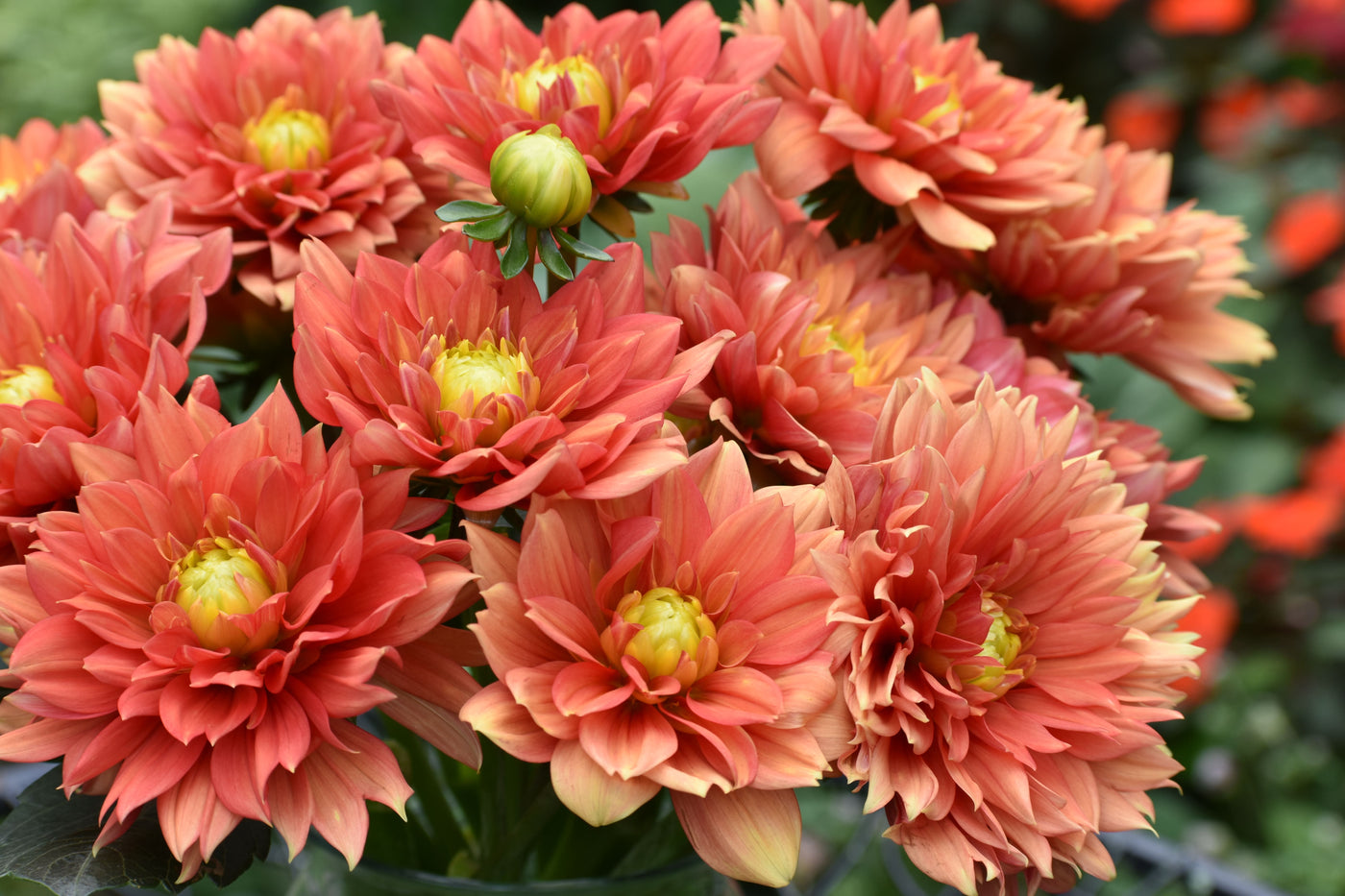
There is something truly special about walking out onto a sun-drenched patio and being greeted by the vibrant, multi-layered petals of a dahlia in full bloom. Whether you have a sprawling backyard or a cozy apartment balcony, these spectacular flowers bring a level of elegance and joy that few other plants can match. At Longfield Gardens, we believe that everyone should have the opportunity to grow these stunning summer classics, regardless of how much garden space they have.
Growing dahlias in containers is an excellent way to enjoy their beauty up close. It allows you total control over the soil quality, provides the flexibility to move your plants to the sunniest spots, and makes it easier to manage their care. This guide is designed for home gardeners who want to master the art of container-grown dahlias, from selecting the perfect pot to harvesting an abundance of blooms.
We will cover everything you need to know about soil preparation, planting depth, and the daily care routines that lead to success. You will learn how to choose the right top-rated dahlias and how to keep your plants healthy all season long. Growing dahlias in pots is a simple and rewarding way to create a more beautiful outdoor living space.
Choosing the Best Pots for Dahlias
The foundation of a healthy dahlia begins with the container. Because dahlias are vigorous growers with a substantial root system and heavy foliage, they need a home that provides enough room to expand. A common mistake is using a pot that is too small, which can lead to stunted growth and plants that dry out too quickly in the summer heat.
For most dahlia varieties, you should look for a container that is at least 12 inches deep and 12 to 16 inches wide. This volume of soil acts as an anchor for the plant and holds enough moisture to keep the roots cool. If you are growing larger dinnerplate dahlias, you may want to go even bigger, such as a 5-gallon bucket or a large whiskey barrel. A whiskey barrel is often large enough to hold two or three smaller varieties or one very large, high-maintenance variety.
The material of the pot also plays a role in how the plant grows. Plastic and resin pots are lightweight and excellent at retaining moisture, which is helpful during hot July and August days. Terra cotta and ceramic pots are beautiful and heavy, providing great stability for tall plants in windy conditions, but they are porous and will require more frequent watering. If you choose wood, like a cedar planter, you get a natural look and good insulation for the roots.
Regardless of the material, drainage is the most important feature. Dahlias do not like to sit in "wet feet," which can cause the tubers to rot. Ensure your pot has several large drainage holes at the bottom. If it doesn't, you can easily drill a few extra holes to keep water moving freely through the soil.
What to do next:
- Measure your available patio space to see how many large pots you can fit.
- Select containers that are at least 12 inches deep.
- Check the bottom of your pots for drainage holes and drill more if needed.


Selecting the Right Dahlia Varieties
While you can technically grow any dahlia in a pot, some varieties are naturally better suited for life in a container. When browsing the selection at Longfield Gardens, pay attention to the mature height of the plant. Choosing a variety that fits your space will make the growing process much more enjoyable.
Dwarf and Border Dahlias
These are the easiest choices for beginners. Varieties like the Dahlia Border Decorative Gallery Art Deco series or Mignon dahlias usually stay under 18 inches tall. They have a bushy, compact growth habit and produce a massive amount of flowers without needing much staking. They look wonderful at the front of a container display or in smaller pots on a tabletop.
Mid-Sized Decorative Dahlias
Many cactus dahlias grow to about 2 or 3 feet tall. These work beautifully in larger floor pots. They provide a "thriller" element in the center of a container and offer stems long enough for cutting. You will need to provide some light support for these, but they won't overwhelm a standard patio.
Tall and Dinnerplate Dahlias
If you have your heart set on the massive, 10-inch blooms of a dinnerplate dahlia like Cafe au Lait, you can certainly grow them in pots. However, you must use a very large, heavy container to prevent the plant from tipping over. These varieties can reach 4 or 5 feet in height, so they will require sturdy staking and consistent feeding to reach their full potential.
Matching Form and Function
Think about how you want to use the flowers. If you want a "cutting garden" on your balcony, choose varieties with long, sturdy stems like Dahlia Decorative Diva. If you simply want a splash of color to look at while you drink your morning coffee, the prolific, multi-colored border types are an excellent win.
The Perfect Soil Mix for Containers
Dahlias are "hungry" plants that require a lot of energy to produce those intricate blooms. Because they are confined to a pot, they rely entirely on you for their nutrients. You should never use standard garden soil or topsoil in a container. It is too heavy, packs down too tightly, and lacks the aeration that dahlia tubers need to breathe.
A high-quality, professional-grade potting mix is the best choice. These mixes are usually "soilless," consisting of peat moss or coconut coir, perlite, and vermiculite. This structure ensures that "drainage" (how fast water leaves the soil) is optimal while still holding onto the moisture the roots need.
We recommend mixing in a bit of high-quality compost to your potting mix. A ratio of 75% potting mix to 25% compost provides a wonderful boost of organic matter. Avoid mixes that contain heavy amounts of "weed control" chemicals or high-nitrogen fertilizers. Too much nitrogen early on can lead to lots of green leaves but very few flowers.
When filling your pots, leave about two inches of space between the soil surface and the rim of the pot. This creates a "well" that allows water to soak in rather than running off the sides when you water your plants.
Key Takeaway: Use a lightweight, professional potting mix combined with a little compost for the best balance of drainage and nutrition.
When and How to Plant Your Tubers
Timing is everything when it comes to dahlia tubers. These are tropical plants that love the warmth and are very sensitive to cold. In the United States, most gardeners should wait until the danger of frost has completely passed and the soil temperature has reached about 60°F.
If you want a head start on the season, you can "pre-pot" your tubers indoors about 4 to 6 weeks before the last frost. Place them in a warm, sunny window or under grow lights. This gives the plant time to establish roots and a few inches of green growth before it ever moves outside.
Step-by-Step Planting
- Fill the pot: Fill your container about halfway with your prepared soil mix.
- Position the tuber: Lay the dahlia tuber horizontally on the soil. Look for the "eye" (the small bump where the sprout emerges). Point the eye toward the center of the pot and slightly upward.
- Cover: Add more soil until the tuber is covered by 4 to 6 inches of mix.
- Initial Watering: Water the soil once to settle it around the tuber. After this first watering, wait until you see green sprouts appearing above the soil before you water again. Overwatering a dormant tuber can lead to rot.
Getting the "depth and spacing" right is a quiet winner in dahlia gardening. In a 12-inch pot, plant only one tuber. If you are using a very large whiskey barrel, you can space tubers about 12 inches apart. Giving the roots plenty of room to stretch out ensures a much stronger plant.
Sunlight and Placement
Dahlias are sun-worshippers. To get the best bloom production and sturdy stems, your pots should be in a location that receives at least 6 to 8 hours of direct sunlight every day. If they are grown in too much shade, the plants will become "leggy," stretching toward the light and producing weak stems that break easily.
On your patio or deck, look for the spots that get the most morning and early afternoon sun. If you live in a particularly hot climate (like the South or Southwest), your dahlias might appreciate a little bit of dappled shade during the most intense part of the afternoon to prevent the petals from scorching.
Another benefit of growing in pots is the ability to move the plants. If a particular corner of the porch turns out to be too breezy or too dark, you can simply slide the pot to a better location. Just remember that once the pots are filled with wet soil and a large plant, they can be quite heavy. Using a rolling plant caddy or "pot mover" is a smart way to make adjustments without straining your back.
What to do next:
- Observe your patio for a full day to identify where the sun stays the longest.
- Place your pots in their permanent positions before they become too heavy to move easily.
- Consider a rolling dolly for very large containers.
Watering Properly in Containers
Watering is perhaps the most critical part of growing dahlias in pots. Containers dry out much faster than the ground, especially during the peak of summer. Because dahlias have large leaves, they lose a lot of moisture through transpiration.
The "Simple Gardening Rule" for watering is to water deeply and then let the soil dry out slightly on the surface before watering again. During the cool days of late spring, you might only need to water once every few days. However, once the plant is large and the July heat arrives, you will likely need to water every single day. For more practical care advice, see 8 Tips for Growing Better Dahlias.
When you water, aim the stream at the base of the plant rather than over the foliage. Getting the leaves wet can encourage powdery mildew, a common fungal issue. Water until you see it running out of the drainage holes at the bottom of the pot. This ensures that the water has reached the deep roots at the bottom of the container.
In very sandy soil or during extreme heatwaves, check your pots twice a day. If the leaves look wilted in the evening, they are telling you they need a drink. However, don't worry if they look a little tired during the hottest hour of the afternoon; many plants wilt slightly to protect themselves from the sun and then bounce back as it cools down.
Feeding for Continuous Blooms
Since the nutrients in potting soil are washed away every time you water, you must replenish them regularly. Dahlias are heavy feeders, and they require a steady supply of energy to keep producing flowers from mid-summer until the first frost.
We recommend starting a fertilization routine once the plant is about 12 inches tall. Use a balanced, water-soluble fertilizer. Look for a formula where the middle number (phosphorus) is higher than the first number (nitrogen). For example, a 5-10-10 or a 10-20-20 blend is ideal. Phosphorus is the key ingredient that promotes "blooming," while too much nitrogen will give you a giant green bush with no flowers.
Apply the fertilizer according to the label instructions, usually every two weeks. If you prefer a more "hands-off" approach, you can use a slow-release granular fertilizer mixed into the top inch of the soil at the start of the season. This will slowly break down and feed the plant over several months.
Key Takeaway: Regular feeding with a low-nitrogen fertilizer is the secret to a long season of spectacular, high-quality blooms.
Staking and Support Systems
Even shorter dahlia varieties can become top-heavy when they are loaded with large flowers. In a container, the soil is lighter and less stable than the earth, so providing a support system is essential to prevent the stems from snapping during a summer thunderstorm.
For mid-sized and tall varieties, it is best to place your stake in the pot at the time of planting. This prevents you from accidentally driving a stake through the tuber later in the season. A sturdy bamboo stake, a decorative metal obelisk, or even a simple tomato cage can work well.
As the plant grows, use soft garden twine or Velcro plant ties to gently secure the main stem to the stake. Don't tie it too tightly; leave a little room for the stem to thicken as it matures. For very bushy plants, you can place three stakes around the perimeter of the pot and wrap twine around them to create a "cage" that holds the entire plant upright.
What to do next:
- Identify the expected height of your variety.
- Secure a stake or cage early in the growing process.
- Check the ties weekly to make sure they aren't pinching the stems.
Pinching and Deadheading for Success
If you want a dahlia plant that is full and bushy rather than tall and spindly, you should practice "pinching." This is a simple technique that encourages the plant to branch out.
When your dahlia is about 12 to 16 inches tall and has at least four pairs of leaves, find the center growing tip and snip it off with a clean pair of scissors. It may feel counterintuitive to cut a healthy plant, but this tells the dahlia to send its energy to the side buds. The result is a much sturdier, more floriferous plant with a better shape for a container.
Once the flowers start blooming, you must "deadhead" them regularly. Deadheading is the process of removing faded or spent flowers. If you leave old flowers on the plant, it will start to produce seeds, which signals the plant to stop blooming. By cutting off the old blooms, you trick the plant into thinking it hasn't finished its job, and it will continue to produce new buds.
When deadheading, don't just pull off the petals. Cut the entire stem back to where it meets a larger leaf or a new bud. This keeps the plant looking tidy and encourages fresh growth.
Managing Pests and Diseases
Gardening should be a rewarding activity, and keeping an eye out for a few common issues can help keep it that way. Dahlias in pots are generally healthy, but they can occasionally attract unwanted visitors.
Common Pests
- Slugs and Snails: These love the tender green sprouts of young dahlias. You can protect your pots by using a bit of copper tape around the rim or by keeping the pots elevated off the ground on a stand.
- Aphids and Mites: These tiny insects usually cluster on the undersides of leaves or on new buds. A strong blast of water from the hose is often enough to knock them off. For persistent issues, a simple insecticidal soap (following the label instructions) works well.
Common Diseases
- Powdery Mildew: This looks like a dusting of white flour on the leaves. It usually happens in late summer when the air is humid. To prevent it, ensure there is plenty of space between your pots for airflow and avoid watering the leaves directly.
- Tuber Rot: This is caused by soggy soil. If your plant is wilting despite the soil being wet, it may have a drainage issue. Always ensure your pots have holes and that the soil is a lightweight mix.
Seasonal Care and Safety
As the summer winds down, your dahlias will continue to bloom until the first hard frost kills the foliage. This transition is a natural part of the plant's life cycle. Once the leaves have turned black or brown from the cold, it is time to decide if you want to save the tubers for next year or treat them as annuals. If you are unsure of your zone, check the Hardiness Zone Map.
If you live in a warm climate (Zones 8-11), you can often leave the pots outside, though you should stop watering them during the winter. In colder climates, you will need to move the pots into a frost-free area like a basement or garage. If you're planning to order, our Shipping Information page explains timing by zone.
Alternatively, you can dig the tubers out of the pots, brush off the soil, and store them in a cool, dry place packed in peat moss or wood chips.
A note on safety: While dahlias are a delight in the garden, it is important to know that the tubers and foliage can be toxic to cats and dogs if ingested. If you have curious pets, consider placing your pots in an area they cannot reach, or use tall containers that keep the foliage out of their way. Always check with your veterinarian if you suspect a pet has nibbled on your plants.
Realistic Expectations for Pot-Grown Dahlias
It is important to remember that gardening is a partnership with nature. The success of your container dahlias will depend on your local microclimate, the quality of your sunlight, and how consistently you can water. Some years, the weather is perfect, and you will have more flowers than you know what to do with. Other years, a heatwave or a particularly rainy season might slow things down. For a broader overview, read our All About Dahlias.
Don't be discouraged if your first few blooms take a while to appear. Dahlias often spend the first half of the summer building a strong root system and a lush canopy of leaves before they start their "flower show." Once they start, however, they are one of the most prolific bloomers in the garden. The wait is always worth it when you see those first petals unfurl.
Key Takeaway: Gardening is a journey of observation. By getting the basics of sun, water, and soil right, you are setting the stage for a successful and beautiful season.
Conclusion
Growing dahlias in pots is a simple, accessible way to transform your outdoor space with some of the most beautiful flowers in the world. By selecting the right container, using high-quality potting mix, and providing plenty of sunlight and water, you can achieve professional-looking results right on your patio. These plants are incredibly rewarding, offering a continuous supply of blooms that look just as good in a vase as they do on the stem.
At Longfield Gardens, we take pride in helping home gardeners find the best varieties for their specific needs and back them with our 100% Quality Guarantee. Whether you choose a compact border dahlia or a majestic dinnerplate variety, the process of watching a small tuber grow into a stunning flowering machine is one of the greatest joys of the season.
- Start with a large pot (at least 12 inches deep) to give roots plenty of room.
- Water daily during the heat of summer to keep the foliage lush and vibrant.
- Feed regularly with a low-nitrogen fertilizer to encourage constant blooming.
- Deadhead spent flowers to keep the plant productive until the first frost.
"The most successful container gardens are those where the gardener stays curious and attentive. A little bit of daily care goes a long way in producing a season full of color."
We encourage you to start small, pick a variety that speaks to you, and shop by color if you want to narrow the look you are after.
FAQ
How many dahlia tubers can I plant in one pot?
For most standard 12-inch to 16-inch pots, you should plant only one dahlia tuber. Dahlias have extensive root systems and large leaves that need plenty of space and airflow. Planting more than one in a small pot can lead to competition for nutrients and water, resulting in smaller flowers and weaker plants. If you have a very large container, like a whiskey barrel, you can plant two or three tubers spaced about 12 inches apart.
Why are my container dahlias not blooming?
The most common reason for a lack of blooms is a lack of sunlight; dahlias need at least 6 to 8 hours of direct sun. Another frequent cause is using a fertilizer with too much nitrogen, which promotes leaves over flowers. Ensure you are using a bloom-boosting (high phosphorus) fertilizer and that you are deadheading old flowers regularly. Lastly, make sure the plant is mature enough, as some varieties don't start blooming until late summer.
Can I leave my dahlia pots outside during the winter?
This depends on your USDA hardiness zone. In zones 8 and warmer, you can often leave the pots outside if they are protected from excessive winter rain, which can rot the tubers. In zones 7 and colder, the tubers will freeze and die if left in a pot outdoors. In these regions, you must either move the entire pot into a frost-free garage or basement, or dig the tubers up and store them indoors in a cool, dry place.
How often should I water dahlias in pots?
Watering needs change throughout the season. When you first plant the tuber, water it once and then wait for sprouts to appear. Once the plant is established and the weather warms up, you should check the soil daily. In the peak of summer, container-grown dahlias usually require a deep watering every single day. If the top inch of soil feels dry to the touch, it is time to water until it runs out of the drainage holes.


