Table of Contents
- Introduction
- The Best Time to Plant Dahlia Tubers
- What to Expect: The Growth Timeline After Planting
- Peak Performance: When Do Dahlias Bloom?
- Maintenance Milestones: When to Pinch and Support
- Extending the Season for Earlier Blooms
- The End of the Season: When to Dig and Store
- Conclusion
- FAQ
Introduction
There is a unique kind of excitement that builds in the garden during the transition from spring to summer. While many early bloomers are beginning to fade, dahlias are just starting their journey toward becoming the stars of the late-summer landscape. Watching those first green shoots break through the soil is a rewarding moment for any gardener. At Longfield Gardens, we believe that understanding the natural rhythm of these plants is the best way to ensure your garden is filled with vibrant, healthy flowers.
This guide is designed for home gardeners who want to understand the lifecycle of the dahlia. We will focus specifically on the "when" of dahlia gardening—from the ideal planting window in spring to the peak blooming months of late summer and the proper time for fall care. Whether you are a beginner or a seasoned enthusiast, mastering this timeline will help you get the most out of every tuber in our Dahlia Collections. Getting the timing right is the simplest way to enjoy a long, colorful season of these spectacular blooms.
The Best Time to Plant Dahlia Tubers
Patience is a virtue in the garden, especially when it comes to dahlias. Because these plants are native to the high plains of Mexico and Central America, they thrive in warmth. Planting too early is a common mistake that can lead to slow growth or tuber rot. The most successful dahlia season begins when the environment matches the plant's needs.
The Soil Temperature Rule
The most important factor in determining when to plant is the temperature of the soil. While it may feel warm enough for a t-shirt outside, the ground takes longer to heat up. To get the best results, wait until your soil reaches a consistent 60°F. A simple soil thermometer is a great tool for this, or you can use a common gardening rule of thumb: if it is time to plant your tomatoes and peppers, it is time to plant your dahlias.
Monitoring Frost Dates
Dahlias are very sensitive to frost. Even a light, late-spring frost can damage or kill new green growth. Always check your local "last frost date" before heading out to the garden. In most parts of the United States, this occurs between late April and early June, depending on your USDA hardiness zone. We time our shipments at Longfield Gardens to align with the proper planting time in your specific region, so your tubers arrive when the conditions are just right.
The Window of Opportunity
While it is tempting to plant as soon as the ground thaws, waiting a week or two for the soil to dry out and warm up actually helps the plant grow faster once it is in the ground. If you live in a region with a very short growing season, you can still plant as late as mid-June and enjoy a beautiful display in September. The most successful dahlia season begins when the environment matches the plant's needs, and our How to Plant Dahlias guide shows the ideal setup.
Key Takeaway: Planting Success
- Wait for soil to reach 60°F.
- Ensure all danger of frost has passed.
- Plant when you would typically plant tomatoes.
- Avoid planting in cold, soggy soil to prevent rot.
What to Expect: The Growth Timeline After Planting
Once your tubers are tucked into the soil, the wait for green life begins. Understanding what is happening underground can help you manage your garden chores and keep your expectations realistic, especially if you have read How to Plant and Grow Dahlia Tubers: A Step-by-Step Guide.
The First Four Weeks
For the first two to four weeks after planting, you likely won't see much action above ground. During this time, the tuber is waking up from dormancy. It is focusing its energy on developing a root system. It is important to avoid heavy watering during this initial phase. Unless your soil is exceptionally dry, the moisture already present in the ground is usually enough to get the plant started. Excess water at this stage can lead to rot before the plant has roots to drink with.
The Sprouting Phase
Sprouts typically appear above the soil line between 14 and 28 days after planting. This timing depends on the variety and the weather. Smaller varieties, like the Stolze Von Berlin ball dahlia, often sprout and grow more quickly than giant dinnerplate varieties.
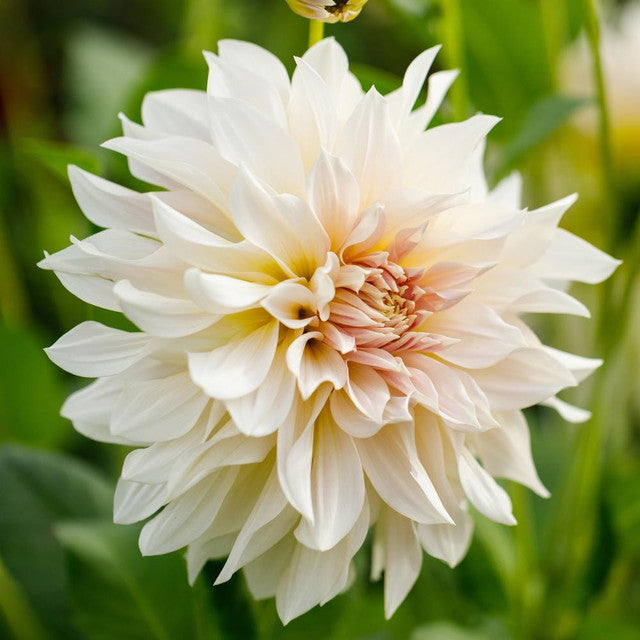
Giant dinnerplate varieties like Cafe Au Lait may take slightly longer to reach maturity. Warm, sunny days will speed up this process, while a cool, cloudy spring may keep the plants underground a bit longer.
Rapid Vegetative Growth
Once the first set of leaves appears, the dahlia enters a period of rapid vegetative growth. By six to eight weeks after planting, you will see a significant increase in height and foliage. This is the stage where the plant builds the "factory" that will eventually produce flowers. If your soil is well-prepared with organic matter, the plant has everything it needs to build strong stems and lush leaves.
Peak Performance: When Do Dahlias Bloom?
The moment every gardener waits for is the arrival of the first flower bud. Dahlias are known for their longevity, often blooming for three months or more if they are cared for correctly.
The 90-Day Milestone
On average, most dahlias begin to bloom about 90 to 100 days after planting. If you plant in mid-May, you can generally expect your first flowers in late July or early August. Some smaller bedding dahlias may start a week or two earlier, while the massive 10-inch dinnerplate dahlias may take slightly longer to reach maturity.
The Peak Season: August and September
While dahlias start in midsummer, they truly hit their stride in late August and throughout September. As the nights begin to cool slightly, the flower colors often become more intense and vibrant. This is when the plants are at their most productive. You may find yourself with more flowers than you know what to do with, which is a wonderful "problem" to have.
The First Frost Finale
Dahlias will continue to produce new buds and flowers right up until the first killing frost of autumn. This long season is one of the reasons they are so beloved by cut-flower enthusiasts. In some southern regions, they may bloom well into November. In northern climates, the show usually ends in late September or October. A light frost may blacken the top leaves, but the plant will often keep blooming until a hard freeze occurs.
Maintenance Milestones: When to Pinch and Support
To ensure your dahlias grow into strong, bloom-heavy plants rather than tall, spindly ones, timing your maintenance tasks is essential.
When to Pinch Your Dahlias
"Pinching" is the process of removing the top few inches of the main stem to encourage the plant to branch out. This leads to a bushier plant and significantly more flowers. The best time to pinch is when the plant is between 12 and 18 inches tall and has about four sets of leaves. By snipping off the center growing point at this stage, you signal the plant to send its energy into the side shoots. For a full walk-through, see How to Pinch and Stake Dahlias.
Timing Your Support System
Because many dahlias can grow four to five feet tall and produce heavy flowers, they need support to keep from flopping over during summer storms. It is best to put your stakes or cages in place at planting time or shortly after the sprouts appear. If you wait until the plant is large and leaning, you risk damaging the tubers when you drive a stake into the ground. For more support tips, see How to Best Grow Dahlias.
Fertilizing for Best Results
We recommend starting a regular feeding schedule once the plants are about a foot tall. Dahlias are hungry plants, but they prefer a balanced approach. Using a fertilizer with a lower nitrogen count (the first number on the package) in midsummer helps the plant focus on flowers rather than just growing more leaves. A monthly application through August is usually sufficient for most garden soils. For another helpful overview, see All About Dahlias.
Key Takeaway: Mid-Season Care
- Pinch the center stem at 12–18 inches for more blooms.
- Set stakes early to avoid tuber damage.
- Begin fertilizing once the plant is established and growing.
- Tie plants to supports every foot of growth.
Extending the Season for Earlier Blooms
If you live in a region with a short summer or simply cannot wait for August for your first bouquet, there are ways to move the "when" of dahlia growing forward.
Pre-Starting Indoors
One of the most effective ways to get a head start is to "wake up" your tubers indoors. About four to six weeks before your last frost date, you can plant your tubers in pots filled with damp potting soil. Keep the pots in a warm, sunny spot or under grow lights. By the time the outdoor soil is warm enough for planting, you will have a small plant with a head start on the season. For a step-by-step walk-through, see How to Plant and Grow Dahlia Tubers: A Step-by-Step Guide.
Choosing Early-Blooming Varieties
Not all dahlias grow at the same speed. If early color is your priority, look for "short-season" varieties. Miniature, ball dahlias and pompon dahlias typically reach their blooming stage faster than the giant dinnerplate types. Planting a mix of different sizes ensures a steady succession of flowers from early July through the fall.
The Power of Deadheading
To keep your dahlias growing and blooming as long as possible, you must remove the old flowers. This is called deadheading. When a flower starts to fade, follow the stem down to the next set of leaves and snip it off. This prevents the plant from putting energy into seed production and forces it to keep creating new buds. Regular deadheading in August and September is the secret to a dahlia garden that looks fresh and vibrant until the very end of the season.
The End of the Season: When to Dig and Store
As the days grow shorter and the first frost arrives, the dahlia’s growth cycle comes to an end. Timing this final stage correctly is vital if you want to save your tubers for next year.
The Signal of the First Frost
The first hard frost will turn the dahlia’s foliage black and limp. While it may look sad, this is a natural part of the plant’s cycle. In many areas, gardeners choose to treat dahlias as annuals, leaving them in the ground to compost. However, if you live in zones 3 through 7 and want to keep your favorite varieties, you will need to dig them up. For a seasonal storage guide, see How to Overwinter Dahlias.
Waiting for Dormancy
Don't rush to dig the tubers the moment the foliage turns black. If possible, wait about a week after the first killing frost. This short period allows the tubers to "cure" slightly in the ground and signals them to enter a deeper state of dormancy. This makes them more resilient during winter storage. However, be sure to dig them before the ground itself freezes solid, as frozen tubers will rot.
Fall Care and Storage
Once dug, the tubers should be cleaned of excess soil and allowed to air dry in a frost-free area for a few days. They can then be stored in a cool, dark, and dry place—such as a basement or garage—where temperatures stay between 40°F and 50°F. We provide detailed guides on our website for those who want to master the art of overwintering.
A Note on USDA Zones
For gardeners in USDA zones 8 through 11, dahlias are often hardy enough to stay in the ground all year. In these warmer climates, the "when" of dahlia growth is a bit different. The plants may go dormant in winter but will sprout again on their own as the soil warms in spring. In these regions, the main concern is ensuring the soil has excellent drainage so the tubers don't rot during wet winter months.
Conclusion
Understanding when dahlias grow allows you to work with nature rather than against it. By waiting for warm soil in the spring, pinching at the right height in early summer, and deadheading through the peak of the season, you can enjoy a spectacular display of color that lasts for months. Gardening is a journey of observation, and each season brings a better understanding of how these resilient plants respond to your local climate.
At Longfield Gardens, our goal is to help you find success with every tuber you plant. We stand behind the quality of our plants with a 100% Quality Guarantee and are here to support you throughout the growing season.
Whether you are looking for the massive blooms of a dinnerplate dahlia or the tidy charm of border dahlias, getting the timing right is the first step toward a beautiful harvest. We invite you to explore our collection and start planning your most colorful summer yet.
Next Steps for Your Dahlia Garden
- Identify your local last frost date and average soil warming times.
- Select a mix of early and late-blooming varieties for a continuous show.
- Prepare your supports and fertilizer in advance of the planting window.
- Order your tubers early to ensure your favorite varieties are ready for spring.
FAQ
When is the latest I can plant dahlia tubers?
While mid-May is the standard for many regions, you can plant dahlias as late as mid-June and still see plenty of flowers. Because they grow so rapidly in the heat of July and August, late-planted dahlias often catch up quickly. They will still provide a stunning display throughout September and October until the first frost arrives.
How long does it take for a dahlia to go from a tuber to a flower?
On average, it takes about 90 to 100 days for a dahlia to bloom after planting. This timeline can be shortened by about a month if you start your tubers in pots indoors four to six weeks before the last frost. Weather, soil temperature, and the specific variety also play a role in how fast the plant matures.
When should I stop watering my dahlias in the fall?
You should continue to provide consistent moisture as long as the plants are actively blooming. Once a killing frost blackens the foliage, the plant is no longer drawing significant water. If you plan to dig and store your tubers, stopping manual watering after the frost helps the soil dry out slightly, making the digging process much easier and cleaner.
When is the best time of day to cut dahlia flowers for a vase?
To ensure your cut flowers last as long as possible, harvest them in the cool of the morning or the late evening. This is when the stems are most hydrated. Always use sharp, clean snips and place the stems immediately into a bucket of room-temperature water. Unlike some flowers, dahlias do not open much after they are cut, so wait until the bloom is almost fully open before harvesting.