Table of Contents
- Introduction
- The General Timeline for Dahlia Blooms
- How Variety Affects Flowering Dates
- The Role of Temperature and Soil
- How to Get Earlier Blooms
- Why Pinching Matters (Even Though It Delays Blooms)
- How to Keep Dahlias Blooming All Season
- Troubleshooting: Why Are My Dahlias Not Blooming?
- Extending the Season into Fall
- Summary and Next Steps
- FAQ
Introduction
There is a unique sense of excitement that comes with planting dahlia tubers in the spring. You tucked those strange, potato-like roots into the warm earth with visions of massive dinnerplate blooms and vibrant ball-shaped flowers dancing in your head. Now that the first green shoots are peeking through the soil, the big question is: when will dahlia bulbs bloom?
At Longfield Gardens, we know that waiting for those first buds to open requires a bit of patience, but the reward is one of the longest flowering seasons in the gardening world. Dahlias are the champions of the late-summer garden, often providing more flowers per square foot than almost any other plant. They start when other summer perennials are beginning to fade and continue their show until the very end of the season.
This guide is designed to help you understand the natural timeline of a dahlia plant. We will cover how many days it takes from planting to flowering, why some varieties are faster than others, and what you can do to encourage your garden to start its display as early as possible. Whether you are a beginner or a seasoned grower, understanding these simple timing rules will help you plan a more beautiful and productive landscape. For a broader overview, see All About Dahlias.
Most dahlias follow a predictable growth cycle that depends on heat, light, and variety-specific traits.
The General Timeline for Dahlia Blooms
For most gardeners, the standard answer to "when will dahlia bulbs bloom" is approximately 90 days after planting. If you plant your tubers in mid-May, you can typically expect to see your first flowers by mid-August. However, this is a general average, and nature often works on its own schedule based on your specific location.
The process begins slowly as the tuber "wakes up" in the warm soil. For the first few weeks, all the energy is happening underground as the plant develops a root system. You might not see any green growth above the soil for two to four weeks. Once the sprouts appear, the plant shifts its energy into building sturdy stems and lush foliage.
Once the plant reaches its mature height for the season, it begins the final phase of flower production. This stage can take several weeks as the buds form and slowly swell before finally opening. While 90 days is the average, the window can actually range anywhere from 75 to 120 days depending on the type of dahlia you chose.
Key Takeaway: Most dahlias bloom about three months after they are planted in the ground, but early varieties may start in as little as ten weeks.
How Variety Affects Flowering Dates
Not all dahlias are created equal when it comes to speed. The size and shape of the flower play a massive role in how long the plant needs to prepare its display. Larger flowers require significantly more energy and time to build than smaller ones.
Small and Medium Varieties
Small-flowered dahlias, such as PomPon dahlias, ball dahlias, and mignon types, are usually the first to arrive at the party. Because the plant does not need to funnel as much energy into a single massive bloom, it can produce flowers much sooner. Varieties like 'Wizard of Oz' or 'Peaches ‘n Cream' are known for being early performers. These types often start blooming around 75 to 85 days after planting.
Dinnerplate and Large Decorative Dahlias
The spectacular "dinnerplate" dahlias are the heavyweights of the garden. These plants produce blooms that can be 8 to 12 inches across. Because the plant must build a very thick, strong stem and a massive bud, these varieties take the longest to flower. It is common for these giants to take 100 to 120 days to reach full bloom. If you plant a Thomas Edison dahlia, expect them to be the grand finale of your summer garden rather than the opening act.
Border and Container Dahlias
Short, bushy border dahlias designed for the front of the border or for pots are often bred for efficiency. These varieties typically reach their mature height quickly and start blooming earlier than their five-foot-tall cousins. These are excellent choices if you have a shorter growing season and want to maximize your flower time.
The Role of Temperature and Soil
Dahlias are native to the high plains of Mexico, which means they are programmed to love warmth. The "when" of their blooming is tied directly to how warm the soil is and how much sun they receive.
Soil Temperature
Timing is everything when it comes to planting. If you put your tubers in the ground when the soil is still cold and clammy, they will sit dormant. In some cases, planting too early in cold, wet soil can actually cause the tubers to rot. We recommend waiting until the soil temperature reaches at least 60°F.
In most regions, this happens around the same time you would plant tomatoes or peppers. When the soil is warm, the tuber wakes up immediately and starts growing vigorously. A dahlia planted in warm soil in late May will often catch up to and bloom at the same time as a dahlia planted in cold soil in late April.
Sun Exposure
Dahlias are solar-powered. To bloom on time, they need a minimum of six to eight hours of direct sunlight every day. If they are planted in a spot that is too shady, the plant will spend all its energy stretching toward the light. This results in "leggy" plants with lots of leaves but very few flowers. If your dahlias are taking a long time to bud, check to see if nearby trees or structures are blocking their sun.
USDA Hardiness Zones and Shipping
At Longfield Gardens, we ship our tubers based on your USDA hardiness zone map. We time our deliveries to arrive about two weeks before the ideal planting time for your area. This ensures that you have your tubers ready to go exactly when the weather is right. While dahlias are only winter-hardy in zones 8 through 11, they can be grown as beautiful annuals in zones 3 through 7.
How to Get Earlier Blooms
If you live in a northern climate with a short summer, you might feel like 90 days is a long time to wait. Fortunately, there are a few simple ways to "cheat" the calendar and get your dahlias to bloom several weeks earlier.
Starting Tubers Indoors
One of the most effective ways to move your bloom date forward is starting tubers indoors. About four to six weeks before your last expected frost date, you can plant your tubers in pots.
- Use a one-gallon pot with drainage holes.
- Fill it with slightly damp potting soil.
- Place the tuber inside and cover it with an inch or two of soil.
- Keep the pots in a warm, sunny spot or under grow lights.
By the time the outdoor soil is warm enough for planting, you will have a plant that is already several inches tall with a head start on its root system. This can move your first bloom date from August up to July.
Using Heat-Absorbing Materials
Heat is a catalyst for growth. Some gardeners plant their dahlias near south-facing brick walls or use black landscape fabric around the base of the plants. These materials absorb sunlight during the day and release heat into the soil at night. This extra warmth keeps the plant in an "active" growth phase, which can shave a week or more off the time it takes to see the first flowers.
Deep Watering and Feeding
A hungry or thirsty plant will not bloom on time. Dahlias are heavy drinkers, but only once they have sprouted. Once your plants are about a foot tall, they need deep watering at least two to three times a week. "Deep" watering means the moisture reaches the roots, which are usually 8 to 10 inches underground.
Pair this with a low-nitrogen fertilizer every three to four weeks. Look for a fertilizer where the second and third numbers are higher than the first (such as a 5-10-10 formula). This encourages flower production rather than just green leaves.
What to do next to speed up growth:
- Wait for 60°F soil before planting outdoors.
- Pot up tubers 4–6 weeks early if you have a short season.
- Ensure the planting site gets 8 hours of full sun.
- Water deeply once sprouts are established.
Why Pinching Matters (Even Though It Delays Blooms)
Many expert dahlia growers recommend pinching their plants. This involves snipping off the top few inches of the main stem when the plant is about 12 to 18 inches tall. While this sounds counterintuitive, it is one of the best things you can do for your garden.
When you pinch the center stem, the plant redirects its energy to the side buds. This creates a bushier plant with much stronger stems. A plant that hasn't been pinched will often grow one tall, thin stalk that is easily broken by wind or rain.
Does pinching delay blooming? Yes. Pinching the main stem usually delays the very first flower by about 10 to 14 days. However, the trade-off is worth it. Instead of getting one early flower and then a long wait, a pinched plant will produce a massive flush of flowers all at once shortly after. It results in more blooms over the course of the entire season.
How to Keep Dahlias Blooming All Season
Once your dahlias finally start to bloom, the goal is to keep them going as long as possible. Dahlias are unique because the more you harvest them, the more they produce.
The Importance of Deadheading
Deadheading is the process of removing flowers as they begin to fade. If you leave a spent flower on the plant, it will begin to produce seeds. Once a dahlia plant starts making seeds, it thinks its job for the year is done and it will stop producing new buds.
By removing the old flowers, you "trick" the plant into trying again. It will continue to pump out new buds in an effort to finally make seeds. To deadhead properly, don't just snip the flower head; cut the stem back to where it meets a set of leaves. This encourages the plant to send out new, long-stemmed flowers.
Cutting for Bouquets
Dahlias make incredible fresh cut flowers. Harvesting them for indoor arrangements works exactly like deadheading. By bringing flowers into your home, you are actually helping the plant stay productive. For the best results, cut your flowers in the cool of the morning. Choose blooms that are about three-quarters of the way open. Unlike roses or lilies, dahlia buds will not open much further once they are cut from the plant.
Watering During the Late Summer Heat
In many areas, August and September can be dry and punishing. If the soil dries out completely, dahlia plants may go into a "holding pattern" where they stop producing flowers to save energy. Consistent, deep moisture is the key to keeping the bloom cycle moving during the hottest weeks of the year.
Troubleshooting: Why Are My Dahlias Not Blooming?
If your 90-day window has passed and you still don't see any color, don't worry. Usually, the fix is very simple. Here are the most common reasons for a delay:
- Too Much Nitrogen: If your plants are six feet tall and lush green but have zero buds, you might be using a fertilizer with too much nitrogen. Nitrogen promotes leaf growth. Switch to a "bloom boost" fertilizer with more phosphorus to encourage flowers.
- Lack of Water: Dahlias need consistent moisture to build flowers. If the soil is bone-dry, the plant will prioritize survival over reproduction.
- Insufficient Sun: If a nearby shrub has grown over your dahlia bed, the lack of light will stop bud production.
- Heat Stress: In extremely hot climates (where temperatures stay over 90°F for weeks), dahlias sometimes take a "summer nap." They will slow down their blooming during the peak of the heat and then explode with color once the nights begin to cool down in September.
- Pests: Occasionally, small pests like thrips or mites can damage tiny, developing buds before you even notice them. Check the tips of your plants for any distorted leaves or tiny insects.
"A dahlia plant that isn't blooming is usually just waiting for the right balance of sun, water, and nutrients. Once those needs are met, the plant will quickly return to its productive cycle."
Extending the Season into Fall
The most beautiful time for dahlias is often the very end of the season. As the days get shorter and the nights get cooler, dahlia colors often become more intense and vibrant.
Protecting from Early Frost
Dahlias will continue to bloom right up until the first "killing frost." A killing frost is a night where temperatures drop significantly below freezing, turning the foliage black. However, a light, "patchy" frost might only nip the very top leaves.
If you see a cold night in the forecast, you can extend your bloom season by covering your plants with an old bedsheet or a piece of frost cloth. This simple step can sometimes buy you another two or three weeks of beautiful flowers if the weather warms up again after that one cold night.
The End of the Cycle
Once a hard frost finally arrives and the plants turn brown, the blooming season is over. At this point, the plant's energy travels back down into the tubers to store up for next year. In colder zones, this is when you would dig up the tubers to store them in a cool, dry place for the winter.
Summary and Next Steps
The journey from a dormant tuber to a garden full of blooms is one of the most rewarding experiences a gardener can have. While the typical wait time is about 90 days, your specific timing will depend on the variety you choose and the warmth of your soil. By selecting a mix of early-blooming ball dahlias and late-blooming dinnerplates, you can ensure a steady stream of color from mid-summer through the first frost of autumn.
Remember that gardening is a partnership with nature. Some years the summer arrives early and your dahlias will surprise you with July blooms. Other years, a cool spring might mean you are waiting until late August. Both are perfectly normal.
Key Takeaway: Success with dahlias comes down to getting the basics right: warm soil, plenty of sun, and regular deadheading to keep the flowers coming.
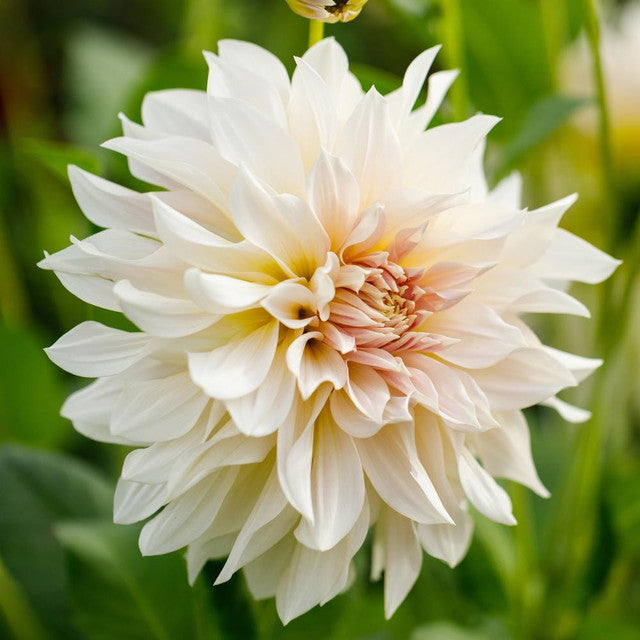
If you are ready to start your own dahlia journey, we invite you to explore the wide selection of premium tubers at Longfield Gardens, including classics like Café au Lait. We take great pride in working with trusted growers to ensure that every tuber we ship is healthy, true to its variety, and ready to perform in your garden. If you want more details about when orders leave our facility, see our shipping information. Whether you want to grow flowers for cutting or simply want a more colorful backyard, dahlias are a rewarding choice that will bring you joy for years to come.
FAQ
How many months does it take for dahlias to bloom?
On average, it takes about three months (90 days) for dahlias to bloom after planting. Smaller varieties may start in about two and a half months, while the largest dinnerplate varieties can take up to four months.
Can I make my dahlias bloom faster?
Yes, you can speed up the process by "waking up" your tubers indoors in pots about 4 to 6 weeks before the last frost. Additionally, planting in warm soil (60°F or higher) and ensuring the plants get at least 8 hours of sun will help them grow more quickly.
Why do my dahlias have plenty of leaves but no flowers?
This is usually caused by too much nitrogen in the soil or a lack of sunlight. Nitrogen encourages green foliage but can suppress flower production. Switch to a fertilizer higher in phosphorus and ensure your plants aren't being shaded by other garden growth.
Do dahlias bloom all summer?
Dahlias typically start blooming in mid-to-late summer (July or August) and continue non-stop until the first hard frost in the fall. They are one of the few plants that actually produce more flowers as the season progresses, provided they are regularly deadheaded.